




If you’re a coffee lover, this news will surely perk you up. According to the American Heart Association’s recent scientific statement in Circulation, most adults can safely consume up to five, 8-ounce cups of caffeinated coffee (equal to about 400 mg of caffeine) a day without harming your heart or increasing your risk of cardiovascular disease
The scientists also say for some people, that third, fourth, or fifth cup may decrease the risk of some cardiovascular conditions, including stroke, heart failure, heart disease, hypertension (high blood pressure) and atrial fibrillation, along with Type 2 diabetes
These findings are reassuring because they finally dispel the long-standing myth that coffee is detrimental to cardiovascular health, says Craig Basman, M.D., a structural and interventional cardiologist and associate director of Structural and Congenital Heart Disease at Hackensack University Medical Center (HUMC) in Hackensack, NJ
Advertisement
Advertisement
“The conventional guidance, based on earlier studies and the existing literature, was to limit caffeine intake to one to two cups a day,” he explains. “But now we’re seeing that moderate coffee consumption may actually provide cardioprotective benefits, and adding an extra cup or two daily doesn’t appear to increase cardiovascular risk, including arrhythmia (an abnormal or irregular heart rhythm) risk, in healthy adults,” says Dr. Basman
Bibhu Mohanty, M.D., a structural cardiologist and an associate professor at the University of South Florida Morsani College of Medicine in Tampa, agrees. He believes the AHA statement acknowledges and gives a broad recommendation that’s good for most people based on existing data, all without pushing any extremes
“This is the most definitive statement coming from a body as authoritative as the American Heart Association,” says Dr. Mohanty. “What they’ve distilled is in the 3 to 5 cup range, you’re not going to hurt yourself or add to your cardiovascular risk.”
Here’s more of the research findings and how those drinking a little extra Joe every day may keep some cardiovascular issues, and more, at bay
How might coffee protect your heart?
Coffee beans, harvested from coffee trees, are the seeds that grow inside a fruit called the “coffee cherry.” Like other plant-based foods, coffee offers a multitude of positive properties. For example, according to many studies, consuming plant-based foods can significantly reduce your risk of cardiovascular disease, Type 2 diabetes, some types of cancers and all-cause mortality
Advertisement
Advertisement
What is it about coffee’s content that might account for a healthier ticker? It may be due to the flavonoids in the beans. “A lot of plant-based products have a variety of flavonoids (bioactive compounds with powerful antioxidant and anti-inflammatory qualities) that impact blood vessel tone and how well they can dilate,” says Dr. Mohanty. “If the lining of blood vessels is allowed to properly dilate, it can allow for more blood flow to the heart, which can be very important if a person has plaque buildup in their arteries.”
Dr. Mohanty also says research has shown that flavonoids contribute to improving your high-density lipoprotein (HDL), known as the “good” type of cholesterol, and decreasing your low-density lipoprotein (LDL), or “bad” cholesterol levels. “Flavonoids can shift the ratio of HDL and LDL cholesterol so it’s going in a good direction,” says Dr. Mohanty
A higher intake of flavonoids has also been found to lower the risk of hypertension. One study in Frontiers in Cardiovascular Medicine reported those people who had the highest total flavonoid intake were 25% less likely to have high blood pressure compared to the participants with the lowest flavonoid intake
What does the research say?
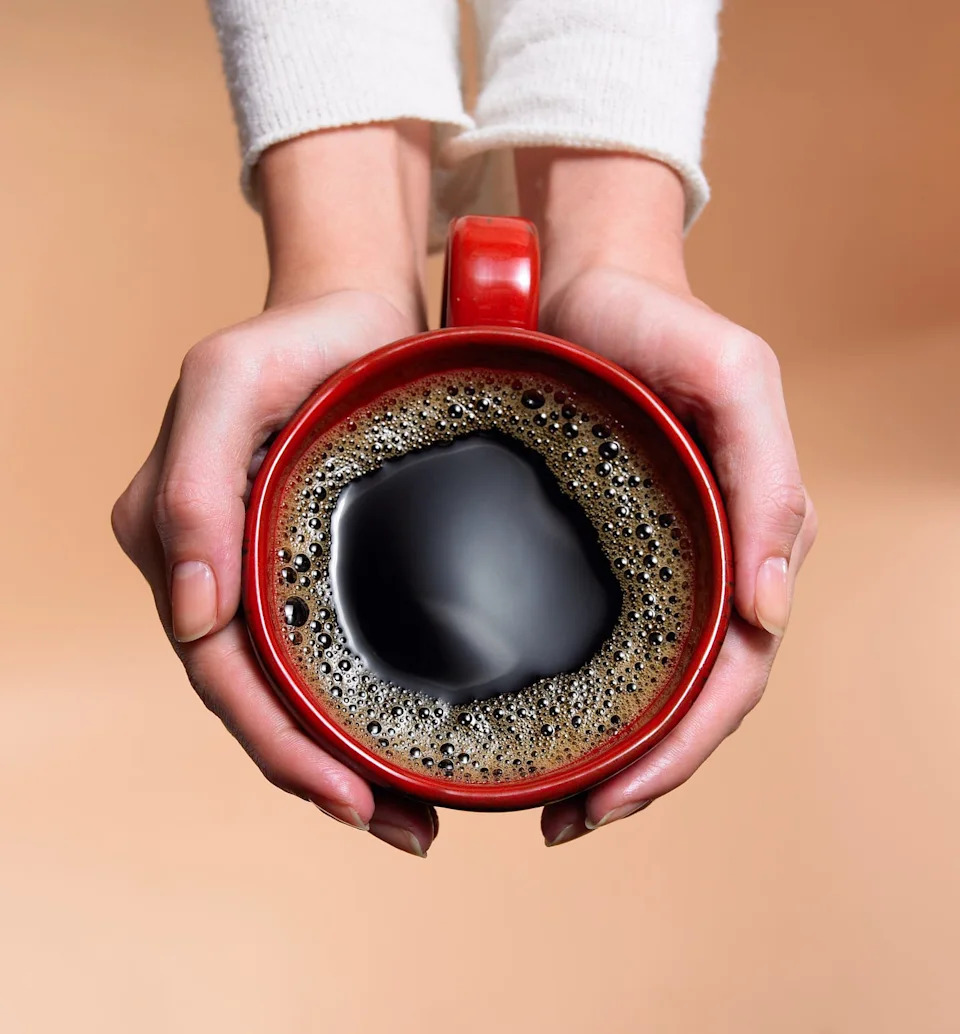
When it comes to reaping the health rewards of coffee, how you make it and take it appears to matter.First, the positive findings are linked to filtered (think drip coffee maker) versus unfiltered coffee such as espresso, Turkish coffee or coffee made with a French press or Moka pot
Advertisement
Advertisement
“Unfiltered coffee can raise unwanted cholesterol whereas filtered coffee cannot,” Dr. Basman says. Why? By using a mesh or paper filter, it prevents certain negative compounds like cafestol, a natural oil that raises LDL levels, from making its way into your coffee
Adding any extras to your brew can also interfere or cancel out any cardiovascular protection. “The health benefits are quickly lost when you start adding fillers, such as sugar, cream, milk or flavored syrups,” explains Dr. Basman. “You’re adding things containing chemicals and/or fat that’s not necessarily healthy for the heart. For instance, cream or whole milk may raise your cholesterol.”
The paper’s scientists also note adding sugar or dairy products to your coffee can substantially increase calorie intake. This can of course result in extra weight gain, which can potentially increase your risk of developing conditions such as obesity and diabetes, both of which could lead to heart problems
But Dr. Basman says don’t sweat it too much if you don’t want to drink your coffee straight. “Although the healthiest way to consume coffee is generally black, I’m not overly concerned about a modest amount of milk or sugar having a significant negative metabolic effect,” he says. “As long as it’s not in excessive quantities, it’s unlikely to meaningfully offset the cardiovascular benefits we’re seeing.”
What about other caffeinated drinks?
It’s important to note the research looked at caffeinated black coffee and emphasize these possible cardiovascular benefits don’t apply to caffeinated sodas or those keep-you-awake energy drinks, the latter of which can have whopping amounts of caffeine
Advertisement
Advertisement
“Individually, these drinks have 3 to 10 times more caffeine than a cup ofcoffee, which if taken in excess, can pose potentially serious problems, such as heart palpitations, arrhythmias and high blood pressure,” warns Dr. Mohanty
The bottom line
The researchers stress when it comes to caffeine consumption, there’s no “one-size-fits-all” strategy. Individuals can respond differently to caffeine based on an array of factors, including age, medications, underlying health conditions, how quickly their body metabolizes it and even genetics. The scientists also underscore the importance of paying attention to how you respond to caffeine and talking to your doctor if drinking more coffee doesn’t feel right
However, for many java enthusiasts, there’s no need to feel guilty for indulging in those extra cups. Dr. Mohanty says he’s happy to know people can enjoy their caffeinated coffee and have some guidance on a specific amount of consumption that’s safe. “The paper gives a very fair assessment that consuming within that mid-range of 3 to 5 cups a day is okay and may have positive effects on your heart health.”
After all, coffee is more than just a drink to wake you up; it’s a beverage that brings people together. “Coffee is a big part of our lives both socially and culturally, and no one is trying to take that away from us,” says Dr. Mohanty
Eat These Expert-Recommended Foods to Lower Your Blood Pressure Naturally
We’ve Tested Over 300 Sets of Bed Sheets. These Are the Best
