


Premium
- HEALTH
Could a change in diet improve mental health? Metabolic psychiatry, explained
Patients rave about how the keto diet has helped ease mental health symptoms. The data are limited, but encouraging.
Published August 3, 2026
As a teenager driving home from a violin lesson one day, Julianne Armijo felt a sense of despair descending on her. Doctors thought it was depression, but in her twenties and thirties the low moods periodically interspersed with manic episodes, eventually leading to the correct diagnosis of severe bipolar disorder
After her diagnosis, Armijo struggled to find treatments that kept her symptoms at bay. Even on two commonly prescribed medications—an antidepressant and an anticonvulsant—symptoms sometimes broke through. During one episode four years ago, she found herself jumping on diggers and tractors at a construction site at three in the morning and feeling that the trees around her were sparkling and breathing
When her doctors swapped the antidepressant for an antipsychotic that blunted her mood and concentration, Armijo, a 39-year-old family nurse practitioner and nursing doctoral student in Ann Arbor, Michigan, began exploring other remedies so she might wean herself off the drug. In nursing school, she had learned that a ketogenic diet, which cuts carbohydrates and dramatically increases dietary fat, has reduced epileptic seizures in children for more than a century. Since epilepsy is also treated with anticonvulsant drugs, she figured there might be a connection, a belief bolstered by early research she found on keto’s potential mental health effects. Three years ago, feeling she had little to lose, she gave it a try.
“Within the first couple of weeks I noticed a difference,” Armijo says. “It was life-changing to realize instead of these high peaks and low valleys, I could have normal human changes in mood.”
It’s not as far-fetched as it sounds. Normally, cells convert carbohydrates into a sugar called glucose for energy. In many neurodegenerative diseases, including bipolar disorder, schizophrenia, and Alzheimer’s, the brain loses the ability to properly burn glucose, says Shebani Sethi, a psychiatric researcher at Stanford University. “It’s like your cells are starving, and they can’t eat.” So, a brain afflicted by mental illness may perform better when brain cells swap carbs for fat fuel instead.
As Armijo was exploring the keto diet as an alternative treatment, researchers like Sethi, who coined the term metabolic psychiatry to describe the growing field, have increasingly been doing the same. Small studies support using the ketogenic diet (commonly called keto) for a variety of psychological conditions. Scientists are also investigating other interventions that influence how brain cells energize and regulate themselves. Some clinicians remain skeptical, but the early data are promising.
(9 ways to boost yourmentalhealth)
A history of mental illness and metabolism
Chemical imbalances in neurotransmitters like dopamine and serotonin have long been posited as the primary drivers of many mental illness, but that is an incomplete picture, says Georgia Ede, a psychiatrist in Newburyport, Massachusetts, who has treated hundreds of patients with the keto diet, supplemented with medication when required
“What we really want to understand in metabolic psychiatry is what is causing those chemical imbalances in the first place,” she says
Psychiatric research as far back as the 1920s linked impaired brain-energy metabolism with mental illness, Sethi and her colleagues wrote earlier this year in the journal NatureMentalHealth. The link was long downplayed, the article states, but newer research supports the idea that “systemic and central metabolic abnormalities influence brain function and behavior.”
Small studies suggest keto aids mental health
Whereas the Mediterranean Diet often recommended for general health is comprised mostly of carbohydrates—up to 65 percent in some eating plans—a ketogenic eater gets roughly 60 percent of calories from fat, 30 percent from protein, and only 10 percent from carbs. Most keto diets almost entirely exclude grains, sweet fruits, legumes, potatoes and other starchy vegetables, and most sugary and processed foods
The goal of a keto diet is to put the body into “ketosis,” where cells stop burning carbohydrates for energy and burn fat instead. “The liver chops that fat into ketones, which are ready-to-burn fragments that easily cross the blood-brain barrier and are welcomed by the brain,” says Ede, author of Change Your Diet, Change Your Mind. When the brain uses ketones for fuel, it shifts into a more healing mode, she says
(How ultra-processed food harms the body and brain.)
Sethi has been building a case for this notion with small clinical trials. In her most recent study, published in May, several dozen people with bipolar or schizophrenia-spectrum disorder improved both depressive symptoms and cognitive performance after a month eating this way, significantly more than people on their usual fare
This follows two smaller pilot studies Sethi conducted without a regular-diet control group to compare. In both studies, one published in 2024 and in another released last year, depression and other psychiatric symptoms lessened after a few months.
Not every result has been positive, however. People with clinical depression assigned to the keto diet for six weeks fared only marginally better than those on a slightly healthier version of their normal eating plan in a small trial published in February
Many clinicians don’t prescribe the keto diet to mental health patients. Mark Taylor, a psychiatrist in private practice in Edinburgh, Scotland, reviewed the science on keto for a journal article on nutrition and mood he’s currently writing. “I’m not persuaded that there’s an overwhelming evidence base for this,” Taylor says, noting he doesn’t currently recommend it
But that could change as more results come in, especially for patients that don’t find relief or experience side effects with existing medication. Several dozen studies are underway, assessing the diet’s potential benefits for post-traumatic stress disorder, autism-spectrum disorder, Alzheimer’s, mood conditions, and others. Sethi herself is starting a larger study of 120 participants with schizophrenia, bipolar, and major depression
Metabolic dysfunction can influence the brain and the body
Part of the intrigue with metabolic psychiatry is how it works both ways. People with major psychiatric disorders have higher rates of metabolic disease, while those with metabolic conditions are more prone to mental illness. In fact, people with insulin resistance, where the body can’t properly regulate blood sugar, are twice as likely to develop major depressive disorder as those without, according to a study tracking people in the Netherlands for nearly a decade
Sethi’s first aha with the idea of the importance of brain metabolism happened during her medical training, when she suggested the keto diet to an overweight patient with diabetes and treatment-resistant schizophrenia to control her weight and blood sugar. Both doctor and patient were surprised to find it also improved the psychiatric symptoms that no medications had previously curbed
“At the end of the day, our brains and bodies are connected,” Sethi says. Insulin dysfunction affects the ability of glucose to get into brain cells, “and ketones bypass that,” she says
Other medicines and lifestyle changes may also affect brain metabolism
The keto diet is not the only intervention being researched for effects on brain metabolic processes. Taylor recently analyzed a large database of people in Sweden with diabetes and diagnosed depression or anxiety who took a GLP-1 medicine to control their blood sugar. Those on the medicine had fewer episodes with their psychiatric condition over the next 13 years
“We were surprised there was such a strong effect, especially with people taking semaglutide” (such as Ozempic) over other GLP-1 drugs, Taylor says. It’s unclear how much of the benefit comes from the weight loss the drug induces, he says, which can improve self-esteem. But metabolic processes are also likely involved, although “whether it’s anti-inflammatory, something with the neurotransmitters, or something else, we don’t yet know,” he says
(Can ending inflammation help win our battle against depression?)
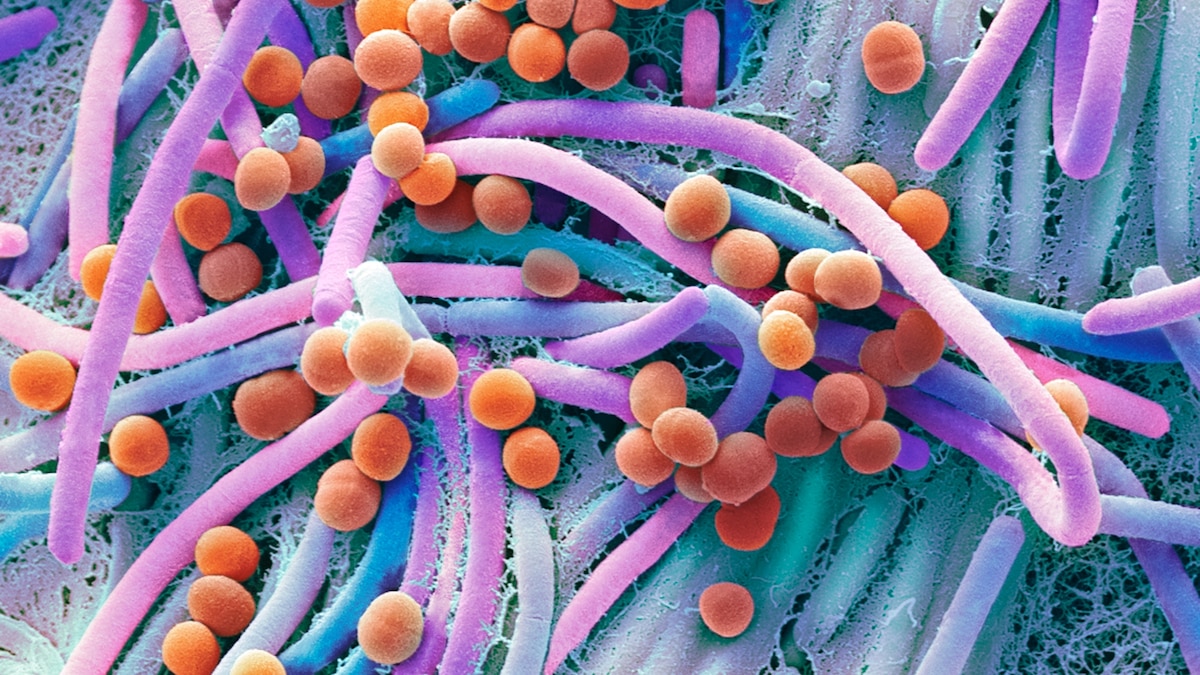
Other scientists are exploring how the composition of intestinal microbes affects psychological illness. A review last year found different gut bacteria patterns in people with bipolar disorder, and that probiotics and dietary changes alle
Early research on intermittent fasting, a process that puts the body in a temporary state of ketosis, has found that it may reduce anxiety. Other lifestyle interventions include regular exercise, with high-intensity workouts especially helpful for metabolism, Ede says, and consistent and sufficient sleep, since people with chronic insomnia have a higher risk of developing depression
Even small diet changes could help
While Sethi says close adherence to the keto diet seems most beneficial, simply shifting from a carb-rich breakfast to one laden with protein and/or fat can have a noticeable psychological effect
Peter Abilla, a Medicare insurance agent in Salt Lake City, says his teenage son doesn’t adhere completely to the ketogenic diet, but he benefits nonetheless. Abilla initially thought the diet might help the boy’s epilepsy, so he suggested it seven years ago after learning about it on a wellness podcast and trying the diet himself. The boy, who also suffered erratic mood swings, happily agreed. “He loves red meat, chicken, and especially bacon,” staples of many keto plans, Abilla says
Now, the football-playing teen occasionally eats pasta and other keto-banned foods. “If keto is a spectrum, we’re in the middle,” Abilla says. Nonetheless, the diet has stabilized his son’s moods. (Medication controls the seizures.) The restrictive nature of the diet also helps the teen feel less overwhelmed, a byproduct of his mood disorder: “It’s liberating for him to open the fridge and know exactly what he’s going to eat,” Abilla says
Keto is not a cure
Some physicians worry the high-fat diet may increase the risk of heart disease, but Sethi says most of her patients actually improve their cardiovascular health. In her most recent clinical trial, blood sugar, inflammation, and other metabolic markers dropped, which generally happens when you limit carbs, she says
Still, she says, doctors should conduct regular blood tests in people on the diet, watching for elevations of harmful cholesterol and other heart-disease markers. Physicians should also be involved in any decision to reduce or eliminate a mental-health medication
Although many keto adherents eat a lot of meat, Armijo prefers a plant-based approach, putting coconut oil in her morning coffee and bulking up dinnertime salads with macadamia nuts, avocado, and tofu generously sauteed in avocado oil. She follows the diet closely to remain in ketosis
Working with her doctor, Armijo was able to wean off the antipsychotic medicine. No longer feeling sluggish or thinking more slowly has been transformational, she says “It has improved my quality of life—on a scale of one to ten, it’s been a ten. I love life.” She’s especially thrilled to share her beneficial experience with other nurses who might help their own patients this way
Still, Armijo is clear this isn’t a cure. Continued success requires not only watching what she eats but managing stress and ensuring she gets enough sleep and social connection. “Every single day I have to self-manage and keep up my surveillance, trying to keep this peace that was so hard won,” she says
