


ByAnna Skinner
Newsweek is a Trust Project member
See more of our trusted coverage when you search.to see more of our trusted coverage when you search.
America’s embrace of high-protein diets and protein-fortified foodsmay be doing more harm than good for sedentary adults, according to a new scientific review that argues eating less protein could help some people age more healthfully and potentially live longer
The review, published July 31 in the journal Cell Press Blue, examined more than 350 studies on protein restriction and aging in organisms ranging from yeast and insects to rodents. Its authors concluded that reducing protein intake, or restricting specific amino acids found in protein-rich foods, may improve metabolism, reduce cellular damage and activate biological pathways linked to a longer life span
The findings arrive amid a broader national push toward higher protein consumption. Earlier this year, Health and Human Services (HHS) Secretary Robert F. Kennedy Jr. highlighted updated dietary guidance encouraging Americans to prioritize protein intake, and federal recommendations now suggest many adults consume roughly 1.2 to 1.6 grams of protein per kilogram of body weight daily, higher than the longstanding Recommended Dietary Allowance of 0.8 grams per kilogram
…
Protein remains a cornerstone of muscle growth, tissue repair and physical recovery. Higher-protein diets are often recommended for athletes and older adults because they can help preserve muscle mass and reduce the risk of age-related muscle loss, known as sarcopenia. But the new review suggests that for many relatively sedentary adults, consuming significantly more protein than needed may come with trade-offs that affect long-term health
“It’s absolutely crystal clear that there are benefits of protein to muscle growth and exercise response of active individuals. But because most people are relatively sedentary, many people are likely consuming more protein than they actually need, which probably has negative health consequences,” paper co-author Dudley Lamming, a professor at the University of Wisconsin–Madison, said
The research also touches on a long-running area of aging science: caloric restriction. For decades, studies have shown that reducing calorie intake without causing malnutrition can extend life span in many animals and lower the risk of age-related diseases. The authors note that protein restriction may activate some of the same biological pathways linked to the benefits of caloric restriction, potentially offering benefits without requiring people to dramatically cut calories
Why Researchers Think Less Protein Could Help
According to the review, high protein intake may encourage the body to prioritize growth-related processes over some of the cellular functions that scientists believe help support healthy aging and resilience against disease. In animal studies, particularly in mice, protein restriction has been associated with better metabolic health and a longer life span, even when overall calorie intake remained similar
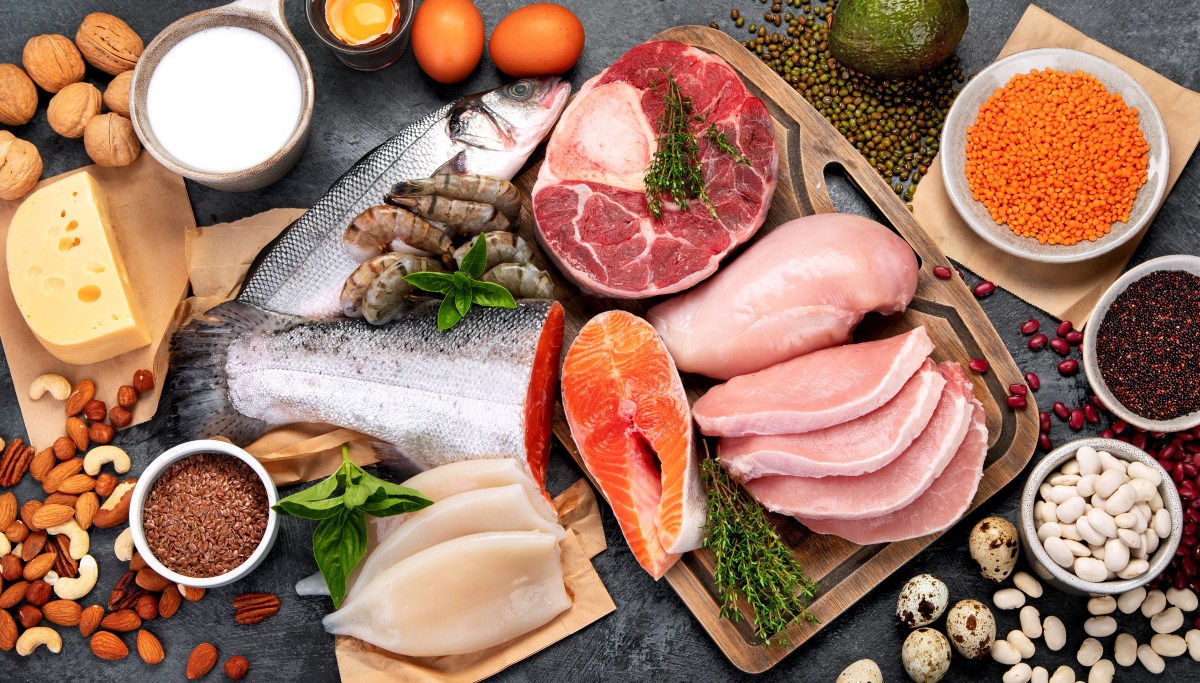
Rather than focusing solely on total protein intake, the review suggests that certain amino acids may be particularly important, such as methionine, isoleucine and valine. Methionine is abundant in meat, fish, eggs and dairy products, while isoleucine and valine, which belong to a group known as branched-chain amino acids (BCAAs), are commonly found in meat, poultry, fish, dairy and protein supplements. Plant foods such as soybeans, beans, lentils, nuts and seeds also contain these amino acids, though often in different proportions.
Much of the evidence cited in the review comes from studies in yeast, flies and rodents, where protein restriction has been associated with longer life span and improvements in metabolic health. Alongside evidence from animal studies, the authors discuss several recent human clinical trials that found lower-protein diets may improve measures such as body weight, fat mass and fasting blood sugar
Not Everyone Should Slash Protein
The review’s authors caution that the findings do not mean protein is harmful or that healthy adults should immediately reduce their intake
In fact, one of the central tensions highlighted by the paper is that higher protein consumption appears beneficial in some contexts. Numerous studies have found that protein-rich diets can help older adults maintain muscle mass, improve strength when combined with resistance training and support weight management
That apparent contradiction reflects the complexity of nutrition science
A physically active person trying to build or preserve muscle likely has different protein needs from someone who is largely sedentary. Age also matters, as muscle loss accelerates in later decades of life
The review argues that recommendations should become more individualized rather than assuming more protein is always better
Contact Newsweek editors on this story: Jason Lemon and Sam Wilson
Request Reprint & Licensing
View Editorial & AI Guidelines
