


- News
- Health News
- One egg, two eggs or more? Cardiologist reveals the ideal daily number for a healthy heart and cholesterol
One egg, two eggs or more? Cardiologist reveals the ideal daily number for a healthy heart and cholesterol
Aadya Jha / TIMESOFINDIA.COM / Aug 4, 2026, 6:00 IST
AAText Size
- Small
- Medium
- Large
1/14
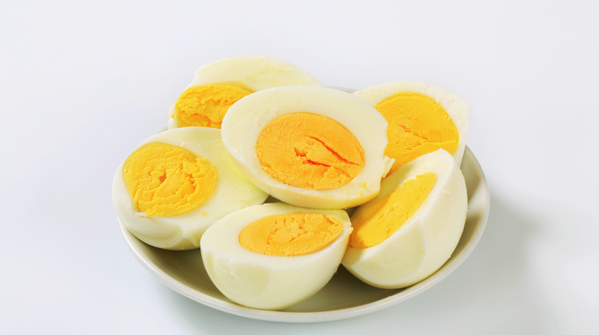
How many eggs should a person eat in a day, ideally?
Eggs have had a complicated reputation for decades. They have been praised as one of the best sources of protein and, at the same time, blamed for raising cholesterol and harming the heart. Many people still hesitate before eating an extra egg, wondering if they are helping their body or putting their heart at risk.The truth is far more reassuring than many old beliefs suggest. Nutrition science has changed significantly over the years, and researchers now know that dietary cholesterol does not affect everyone in the same way. In fact, for most healthy people, eggs can comfortably fit into a balanced diet without increasing the risk of heart disease.So, how many eggs should a person really eat in a day? The answer depends on overall health, lifestyle and existing medical conditions, not just the number written on the egg carton.

2/14
One egg a day is safe for most healthy adults
For years, eggs were judged almost entirely by the amount of cholesterol found in the yolk. One large egg contains roughly 200 mg of cholesterol, which sounds like a lot. But modern research has shown that saturated and trans fats have a much greater impact on blood cholesterol than the cholesterol naturally found in foods like eggs.Dr Pawan Poddar, Director of Cath Lab and Senior Consultant Interventional Cardiologist, Yashoda Hospitals, Hyderabad, said, “Most healthy adults can safely eat one egg a day, or about seven a week, without increasing their risk of heart disease. Each large egg contains about 200 mg of cholesterol, mostly in the yolk, but its impact on blood cholesterol is less than that of saturated and trans fats.”He added, “Eggs are also relatively low in saturated fat (1.5–2g per egg) and are a source of high-quality protein (6–7g per egg). They also provide vitamin D, iron, carotenoids like lutein and zeaxanthin and choline, which helps with brain and liver function.”This is one reason many cardiologists now focus less on avoiding eggs and more on improving the overall quality of a person’s diet.eggs affect heart health and cholesterol, and why individual health conditions should guide daily intake in consultation with a doctor.
3/14
The real concern isn’t the egg, it’s what comes with it
Eggs rarely travel alone on the breakfast plate. They are often paired with buttered toast, processed meats, sausages, bacon, fried potatoes or foods cooked in large amounts of oil. That combination, rather than the egg itself, is often what raises concern for heart health.A boiled or poached egg served with vegetables, whole grains or fruit creates a very different meal from eggs fried in butter alongside processed meat.Heart health depends on the overall eating pattern across weeks and months, not on a single food. A person who eats one or two eggs as part of a diet rich in vegetables, fruits, pulses, nuts and whole grains is likely making a healthier choice than someone avoiding eggs while regularly consuming foods high in saturated fat.
4/14
Can eating two eggs a day still be healthy?
For many healthy adults, yes.Dr Poddar explained, “Some studies suggest that eating more than one egg a day was not associated with increased risk of cardiovascular disease and eating two eggs a day as part of a low saturated fat diet reduced LDL cholesterol compared with high saturated fat diets. There is also some evidence that eggs can increase HDL cholesterol, the ‘good’ cholesterol that helps remove LDL from the bloodstream.”This is an important distinction.An egg is not automatically unhealthy because it contains cholesterol. The body’s cholesterol balance depends on several factors, including genetics, physical activity, body weight, smoking, diabetes and the overall quality of the diet.In other words, eating two eggs every morning while maintaining a healthy lifestyle is very different from eating two eggs alongside a diet rich in processed foods and unhealthy fats.
5/14
Who should be a little more careful?
Although eggs are considered safe for most people, they are not a one-size-fits-all food.People living with high LDL cholesterol, diabetes, inherited cholesterol disorders or existing cardiovascular disease should discuss their diet with their treating doctor or dietitian instead of following general advice found online.Dr Poddar said, “Patients with high LDL cholesterol, diabetes or existing cardiovascular disease should personalise their intake as per their medical reports. Having two to three eggs for breakfast could keep you within 300 mg daily limit for cholesterol. But there is no longer a strict cap on dietary cholesterol. Rather, the focus is on keeping total blood cholesterol levels healthy.”That personalised approach matters because cholesterol levels are influenced by much more than food alone. Family history, medications and existing medical conditions all play a role.
6/14
Should you eat only egg whites?
Many people separate the yolk and eat only the whites because they believe it is the healthier choice.Egg whites certainly provide excellent lean protein. However, removing the yolk also removes many valuable nutrients that make eggs nutritionally unique.Dr Poddar said, “Egg whites are lean protein without the cholesterol, but you miss out on nutrients like vitamin D and iron by skipping the yolks. So, most people can safely eat an egg a day, and two eggs a day may be fine if they’re part of a heart-healthy diet low in saturated fat. Those at higher risk with cardiovascular issues are advised to consult with your doctor. Eggs are a nutrient-rich, versatile food that can be part of healthy diets when eaten wisely.”The yolk contains vitamin D, iron, choline and antioxidants such as lutein and zeaxanthin, which support eye health. Unless a doctor specifically recommends avoiding yolks, most healthy adults do not need to throw away this nutrient-rich part of the egg.Perhaps the biggest lesson is that nutrition has moved beyond labelling foods as “good” or “bad.” Eggs are neither a miracle food nor a danger to the heart. For most people, enjoying one egg daily, and even two eggs in some balanced diets, is perfectly compatible with good heart health.
7/14
Medical experts consulted
This article includes expert inputs shared with TOI Health by:Dr Pawan Poddar, Director of Cath Lab and Senior Consultant Interventional Cardiologist, Yashoda Hospitals, Hyderabad.Inputs were used to explain how many eggs a person can safely eat in a day, how eggs affect heart health and cholesterol, and why individual health conditions should guide daily intake in consultation with a doctor
8/14
9/14
2
10/14
3
11/14
4
12/14
5
13/14
6
14/14
7
Follow Us On Social Media
