


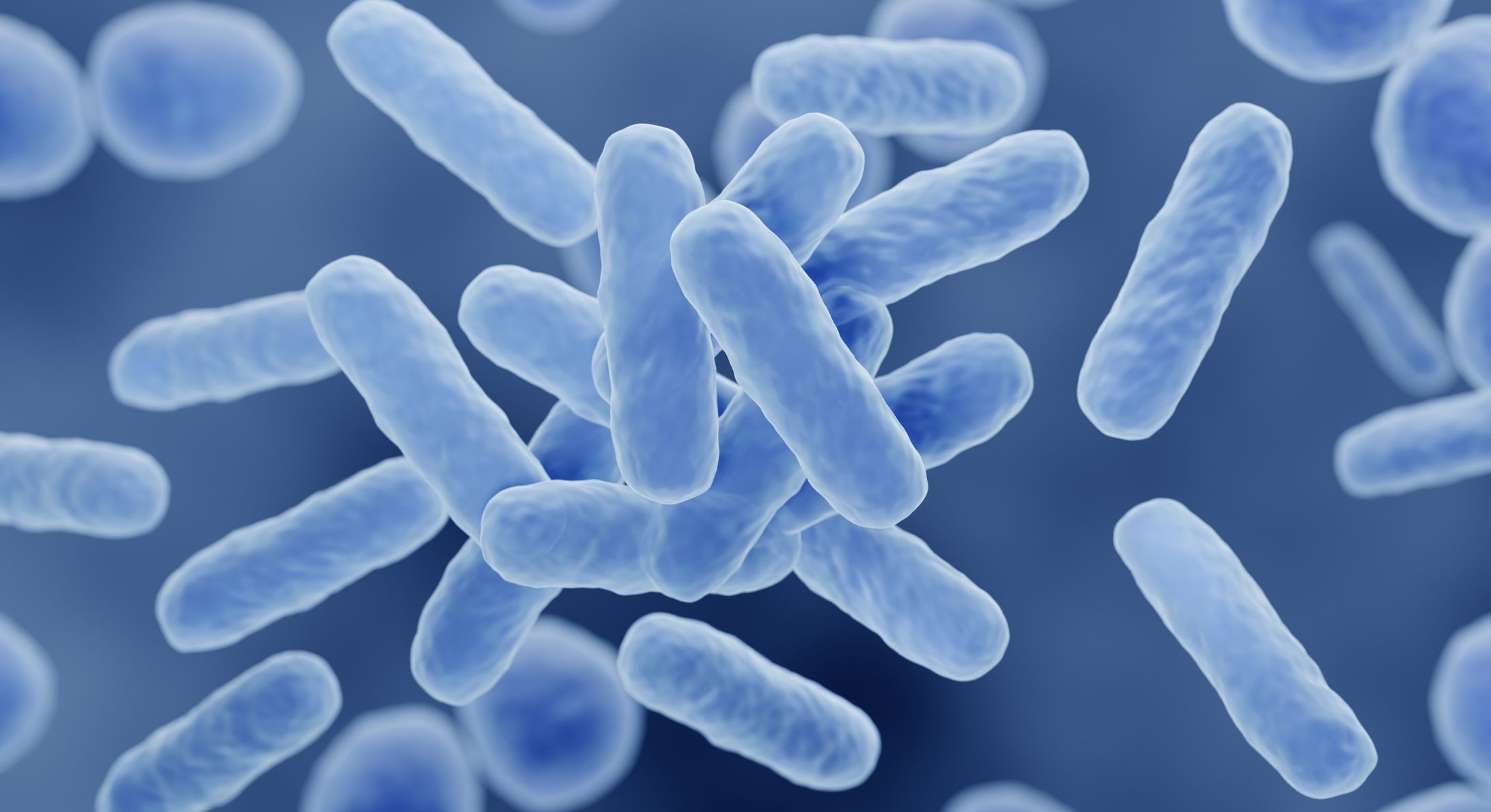
What Bifidobacteria tell us about gut health and how diet can help
Bifidobacteria are increasingly studied as a marker of gut health across a lifetime. In this interview, microbiome researcher Sudarshan Shetty explains what shapes them, how they change with age, and what diet can do
The educational content in this post, elaborated in collaboration with Danone Research & Innovation, was independently developed and approved by the GMFH publishing team and editorial board
Bloating, irregular digestion, feeling more tired than usual- many people experience these kinds of symptoms at some point in their lives without a clear diagnosis. Research suggests that the gut microbiome, the community of microorganisms living in our digestive tract, plays a role in many of these everyday complaints but defining what a “healthy” microbiome actually looks like is not straightforward
One group of bacteria, Bifidobacteria, is increasingly being studied as a marker of gut health throughout life. You were born with them. They were among the first microorganisms to colonize your gut, they helped shape your immune system in early life, and they have been with you- adapting, collaborating, sometimes declining as you become older
Bifidobacteria are found in almost everyone at birth, and researchers increasingly consider them one of the most meaningful markers of gut health across a lifetime. Studies suggest their role in early immune development and the patterns established in the first 1,000 days of life can have lasting consequences. But what happens to them as we age? And what can we actually do about it?
Sudarshan Shetty, PhD, Senior Team Leader Microbiome at Danone Research & Innovation in Utrecht (Netherlands), is investigating how these microorganisms change from birth to old age, what they tell us about our health, and how diet can help maintain them. At the Gut Microbiota for Health World Summit 2026, the GMFH editing team sat down with him to explore these questions
Is there such a thing as a normal or healthy gut microbiome?
The gut microbiome varies considerably from person to person. What’s considered healthy for one individual may look entirely different in another — shaped by age, genetics, environment, and life history
A recent global consensus led by ISAPP scientists has begun to establish a framework for what “gut health” means, but science is still evolving
One thing researchers increasingly agree on: thinking about the microbiome in binary terms — healthy versus unhealthy — misses the picture. Health exists on a spectrum, and disruptions (like illness or antibiotic use) can shift the ecosystem in ways that are not always easy to reverse
What affects the gut microbiome in healthy people?
Even before any illness or intervention, the gut microbiome is constantly being shaped. Gender, age, ethnicity, and daily lifestyle all leave a mark — but so do more subtle factors like stress levels, sleep patterns, and what and how we eat
The microbiome is, in a sense, a record of your life. It carries the imprint of how you were born, what you were exposed to in early childhood, and the accumulating effects of everything that has happened since. This is why a healthy microbiome may look different at 30 than it does at 70
How do you know if your gut microbiome is healthy?
Composition matters less than function. Different people can have very different bacterial communities and still have equally healthy gut- what matters is whether those communities are performing the right jobs: breaking down food, producing key metabolites, and keeping the immune system calibrated
Among those metabolites, short-chain fatty acids, particularly butyrate, are especially important. They fuel the cells lining the colon and help regulate immune responses. When these functional outputs decline, it may set the stage for inflammation and the kind of gut symptoms — bloating, fatigue, discomfort — that many people experience but struggle to attribute to a cause. Intestinal immune activation is now emerging as one of the key mechanisms behind chronic gut complaints
What are Bifidobacteria and why do they matter for gut health?
Bifidobacteria are among the first microorganisms to colonize the gut after birth, and in early life they dominate. As we grow, they adapt — becoming more collaborative with other microbes, more involved in the complex ecosystem of the adult gut, and, unfortunately, more vulnerable to decline as we age
The trajectory of Bifidobacteria across a lifetime tracks closely with health outcomes. Studies have found that people who age in good health tend to maintain higher levels of these bacteria. Their gradual decline with age, accelerated by events like antibiotic use, is one reason why Shetty and others consider them a meaningful marker of gut health, not just a bystander
What foods increase Bifidobacteria in the gut, especially in older adults?
The good news is that Bifidobacteria respond to diet, and they don’t need dramatic interventions to thrive. Dietary fiber is their primary fuel, but diversity matters: a variety of fiber types from different plant foods supports a wider range of microbial functions than any single
For people with lower levels — whether due to age, health conditions, or past antibiotic use — certain prebiotics may offer more targeted support. Galacto-oligosaccharides (GOS), for example, have been shown to selectively stimulate Bifidobacteria growth. Understanding which dietary strategies work for which people is an active area of research, and one with real implications for conditions where gut microbiome disruption plays a role, including some forms of IBS and functional gut disorders.
Where is microbiome research heading?
The next frontier is precision: not just improving the microbiome in general, but doing it in targeted, personalized ways. That means understanding who has lost Bifidobacteria, why, and how to restore them through diet or specific nutritional strategies
It also means working with large datasets and machine learning tools to find patterns that individual studies cannot reveal — and collaborating across disciplines, from nutritionists and clinicians to computational scientists and industry researchers. The microbiome field is moving fast, and the science coming out of those collaborations is beginning to translate into practical guidance for people who want to take better care of their gut
What emerges from this conversation is a picture of the gut microbiome as something dynamic, personal, and — crucially — responsive. Bifidobacteria offer one useful lens for tracking that health across a lifetime, and diet remains the most accessible level most people have to influence it
August 4th, 2026
By GMFH Editing Team
Categories: Bifidobacteria, Diet, Digestive Health, Gut Brain Axis, Gut Microbiota, IBD, IBS, Immune Health, News Watch, Nutrition, Prebiotics, Stress, Videos
GMFH Editing Team
GMFH Editing Team
