


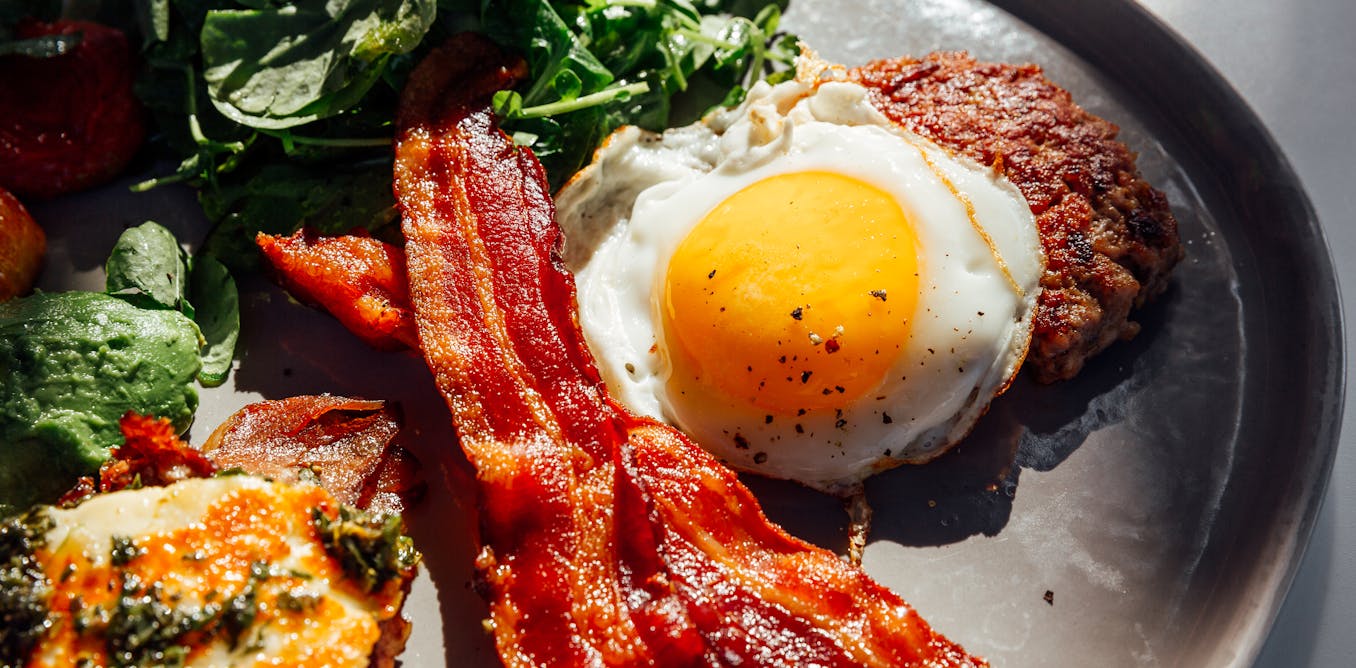
Protein powders. Protein yoghurt. Protein snack bars. Protein is everywhere. Supermarket shelves and social media are full of messages encouraging us to eat more of this nutrient
But now, a new review of over 350 studies suggests eating less protein may be linked to healthier ageing, by slowing down the biological process of ageing in cells
These messages can sometimes feel confusing. How much protein should you eat?
Importantly, most of the evidence in the new review comes from animal studies, not humans. So let’s take a look at what it actually means for you
First, how much protein do you need?
Protein is a nutrient made up of amino acids, and found in a wide range of foods. It is essential for maintaining muscles, repairing tissues and supporting overall health
Australian dietary guidelines recommend around 15–25% of our daily energy comes from protein. Good
Data shows most Australians already meet these recommendations
What the new study looked at
The new research brings together evidence from animal and some human studies to better understand how restricting protein (and specific amino acids) influences the biology of ageing
Overall, the evidence suggests eating less protein changes the way the body uses energy, helps cells remove damaged components, and reduces the build-up of ageing cells. Together, these biological changes are associated with healthier ageing and longer lifespan in animal studies
However, it’s still not clear exactly why these benefits occur. They may be due to eating less protein overall, less animal protein, or fewer specific amino acids – or simply eating a healthier diet
Importantly, the review was designed to understand the biology of ageing, not whether people should change how much protein they eat
The strongest evidence comes from laboratory animals
The most convincing findings came from studies in mice, rats, flies and yeast. Animals with lower-protein diets often lived longer and showed signs of healthier ageing
But laboratory animals live in tightly controlled environments where researchers can precisely manipulate diets over their entire lifespan. That level of control simply isn’t possible in humans
Human biology is also far more complex, meaning findings in mice and rats do not always translate directly to people
The review also suggests total protein may not be the whole story. Restricting specific amino acids, the building blocks of protein – particularly methionine, isoleucine and valine – produced many of the same benefits in animal studies as reducing total protein
Studying humans is much harder
Human evidence remains limited. The review discusses intervention studies in which low-protein diets were compared with participants’ usual diets. However, these studies lasted only a few weeks, making it impossible to know whether restricting protein influenced people’s lifespan or healthy ageing
And the picture becomes much more complicated in humans. Higher-protein diets can help preserve muscle mass, particularly in older adults, and when combined with resistance exercise, can reduce the risk of frailty and sarcopenia (loss of muscle mass and strength as we age)
Read more:
How much protein do I need as I get older? And do I need supplements to get enough?
Eating more protein can also help people feel fuller for longer, making it useful for managing weight in those who are living with obesity
But people don’t eat protein in isolation. They eat food
For example, eating a lot of legumes and nuts will give you protein alongside fibre, healthy fats and other nutrients. But if you have a high-protein diet that comes mainly from red and processed meat, you may also be eating a lot of saturated fats and salt
Large studies have linked eating a lot of animal protein – particularly red and processed meat – with worse health and early death. But these studies can’t prove protein itself is responsible
This is why it’s difficult to separate the effects of protein itself from the foods providing it, or someone’s overall diet. The other factors may explain why some findings about protein seem to conflict
Longevity is about more than protein
Research into long-living populations also shows why we should be cautious about focusing on one nutrient alone
The Mediterranean diet has the strongest evidence for healthy ageing – but it isn’t low in protein. It contains moderate amounts of protein from legumes, fish and nuts, alongside plenty of vegetables, fruits, wholegrains and olive oil, while limiting red and processed meat
By comparison, the traditional Okinawan diet from Japan – which is also associated with healthy ageing – contains relatively little protein. But it emphasises plant foods (such as sweet potato and tofu) and is low in calories.
Both diets are associated with living longer. They show that isolating protein alone may miss the bigger picture
Longevity is shaped by much more than diet. Regular physical activity, good sleep, strong social connections, managing stress and not smoking all reduce our risk of dying early
Diet is one important piece of the puzzle, but longevity also depends on who you are, your stage of life, your overall diet, the
So should you eat less protein?
Not based on this review
This review explains how protein restriction might affect ageing in laboratory animals. But it highlights how much we still don’t know about how this might translate into dietary advice for humans
The relationship between protein and longevity is far more nuanced than simply “less is better”
For now, the strongest evidence still supports meeting current protein recommendations, particularly as we age. Rather than chasing the latest nutrition headline, aim to choose mostly minimally processed protein foods as part of an overall healthy diet
