


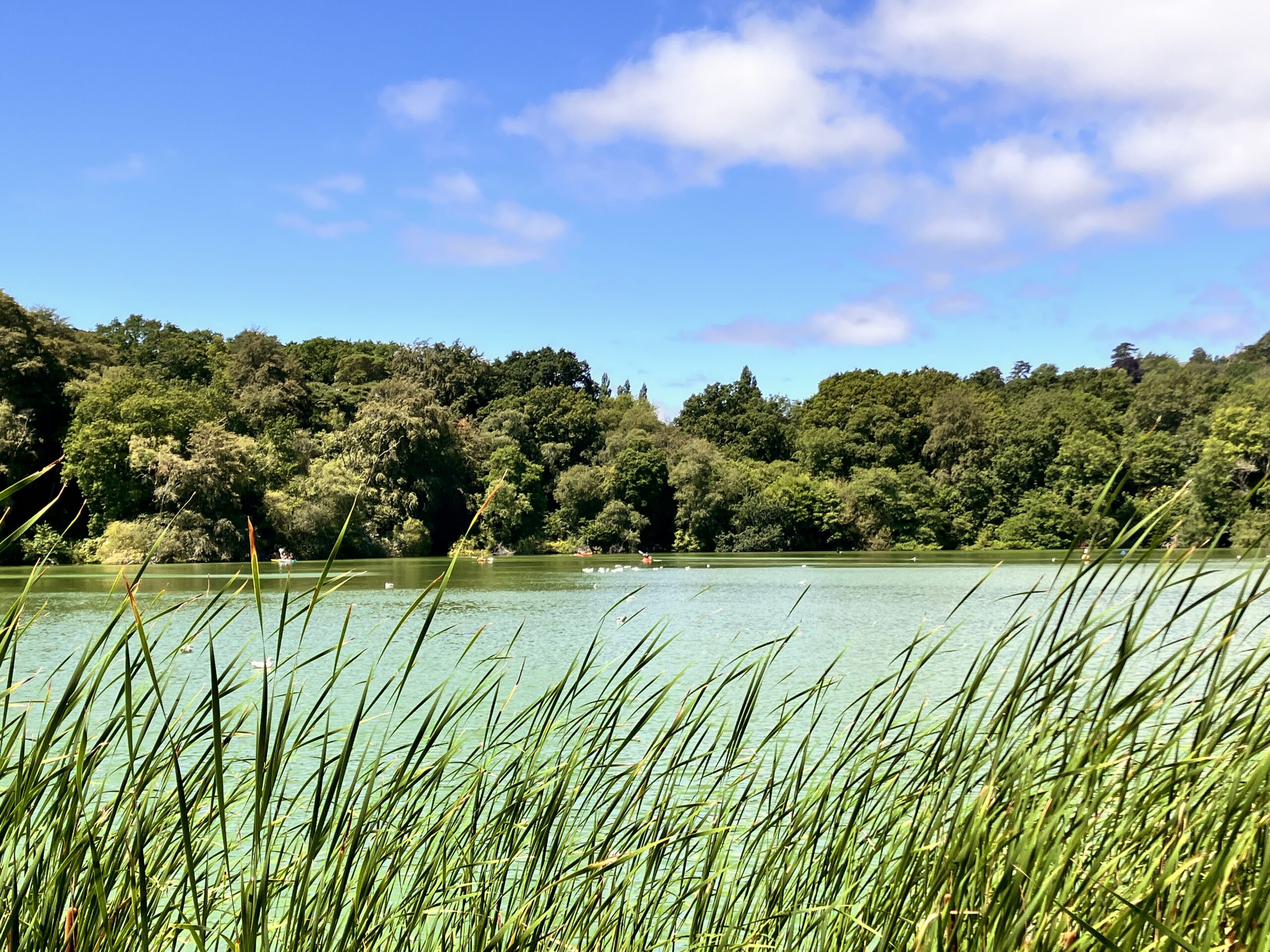
Water and Wellbeing: The People And Nature Blue Spaces Report
This blog explains the results of the recent People and Nature Blue Spaces Report, discussing how we interact with places like beaches, rivers and lakes, while <a href="https://healthylife7.com/looking-to-add-a-pet-to-your-family-many-are-available-at-shelters/” title=”Looking to add a pet to your family? Many are available at shelters”>looking at how the findings will influence Natural England’s work
When was the last time you spent time outside near the sea, or a river?
Spending time in ‘blue spaces’ – places where water is a key part of the environment, such as rivers, lakes, canals, beaches and the coast – can have positive effects on our mental and physical wellbeing
A new report from Natural England and NatCen explores how people use these spaces, what they value about them and what can make it easier for more people to visit.
Blue spaces are important to many people
The research found that almost half of adults in England (47%) visited a blue space in the previous month, highlighting the important role these places play in people’s lives and their connection with nature.
Participants consistently described blue spaces as calming and restorative. Many described visiting rivers, lakes and the coast when they wanted time to relax, reflect or cope with stress.
Blue spaces support a wide range of activities and experiences, from everyday walks and
exercise to socialising with family and friends, sightseeing, wildlife watching and connecting to nature.
Making blue spaces accessible for everyone
While many people enjoy blue spaces, the research found that opportunities to visit are not experienced equally across the population.
At Natural England, our ambition is for access to nature to be a normal part of everyday life for everyone. This research helps us better understand the barriers some people face in visiting blue spaces and identifies opportunities to make these valuable natural environments more accessible, welcoming and inclusive
A range of factors can influence how often people visit, including access to transport (in particular a car), proximity to blue spaces, health considerations and wider socio-economic circumstances. Because many blue spaces are destinations people travel to rather than places encountered during everyday routines, transport and accessibility can play an even more important role than with green spaces
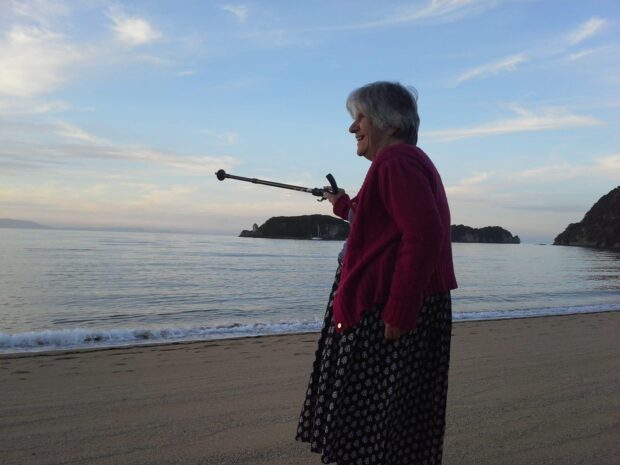
Quality matters
The condition of blue spaces was another important theme throughout the research.
Litter, pollution, poor maintenance and concerns about water quality can discourage people from spending time there. Safety was also important, particularly in winter when reduced daylight can make some places feel less accessible
People said they would be more likely to use blue spaces if they were clean, well maintained, easy to access and felt safe throughout the year
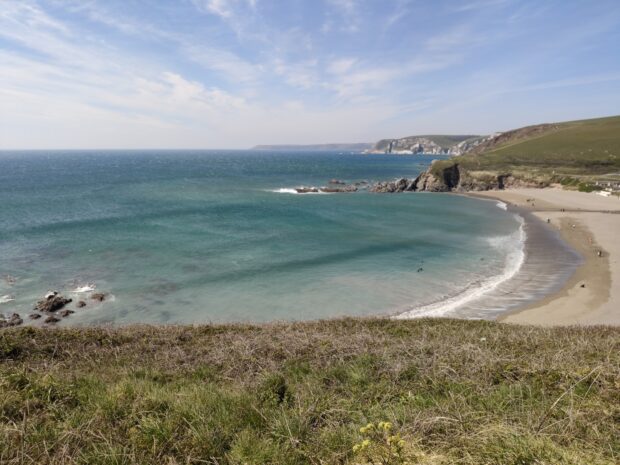
Supporting greater engagement
The findings from the country-wide Adults’ People and Nature Survey and more in-depth focus groups both show that blue spaces have an important role to play alongside green spaces. By improving access and quality, more people can experience the health, wellbeing and nature benefits that these environments provide.
This report highlights several ways to help more people benefit from blue spaces. These include improving accessibility and transport links, investing in maintenance and environmental quality, and addressing barriers faced by groups who currently visit less often.
This summer, Natural England will be sharing affordable ideas and inspiration to help people access and enjoy local green and blue spaces. Whether it’s exploring a stretch of the King Charles III England Coast Path, taking a walk along a local river, so spending time beside a canal or lake, there are plenty of opportunities to enjoy the benefits of blue spaces
Wherever you choose to visit, please help protect these special places by following the Countryside Code and, if you’re heading out on the water or to the coast, the Paddlers’ Code and Marine and Coastal Wildlife Code, helping us all to Respect, Protect and Enjoy our blue spaces
The full report and a summary report can be found here.
