


by Alison Green
Layered and lived in: Why the bohemian lifestyle aesthetic never goes out of style
Bohemian lifestyle endures because no two rooms look alike: layered textiles, natural materials, and personal objects make every space a reflection of whoever lives in it
Some interiors chase the moment. The bohemian look never has, which is part of why it outlasts every trend that comes for its spot
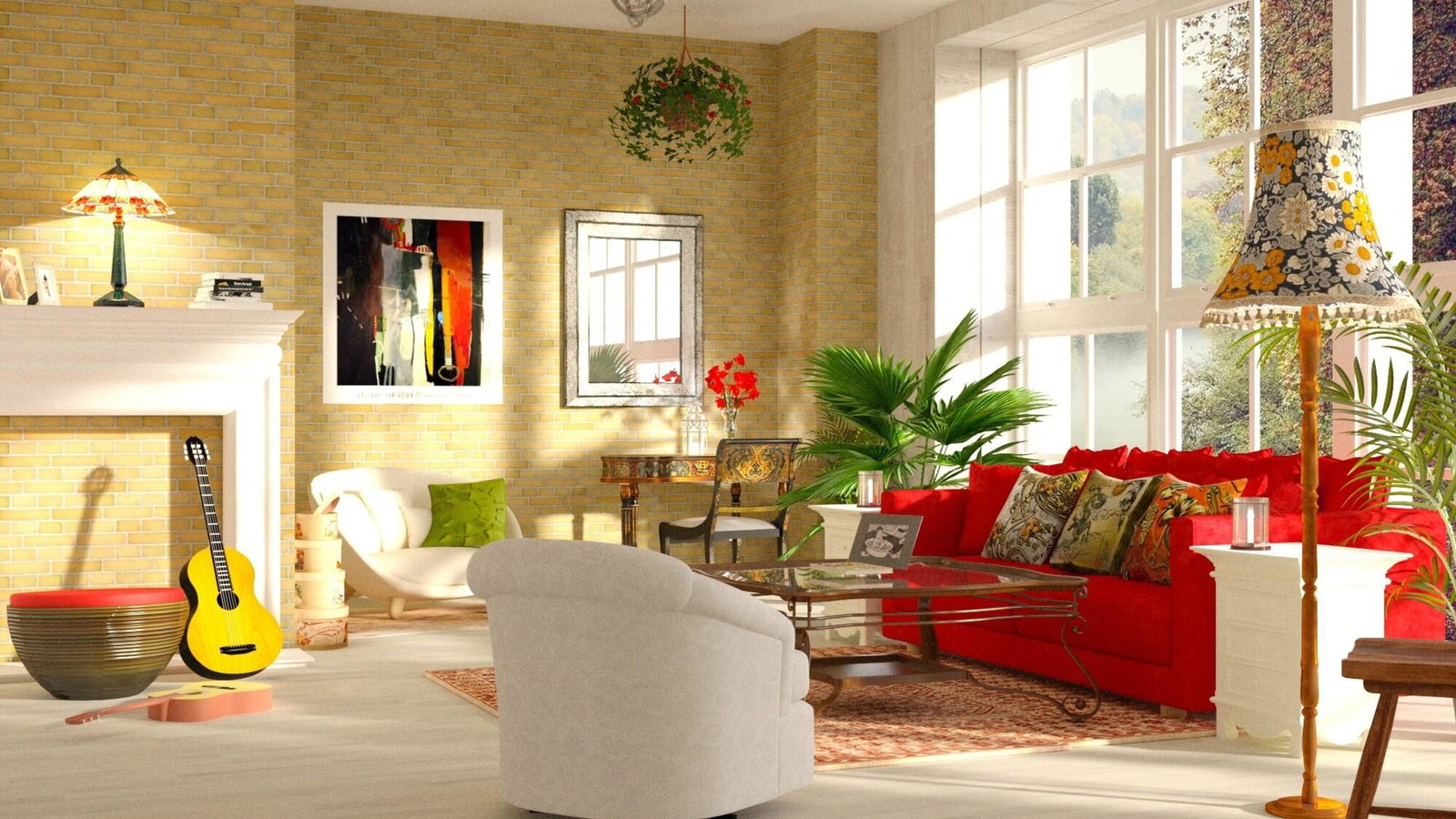
Boho rooms feel collected, warm, and unmistakably personal, full of texture, pattern, and pieces that each carry a story. Nothing matches on purpose, and that is the point. The style rewards personality over polish, and that formula keeps drawing people in decade after decade
A look built on individuality can never really go out of fashion
Boho Endures Because It Was Never a Trend
Most design movements peak, saturate every showroom and Instagram feed, and then fade as the next thing arrives to replace them. Bohemian style sidesteps that cycle because it was never organized around a single look
The aesthetic has roots in the artists, travelers, and free thinkers who decorated their homes with what they loved and found, not what a catalog told them to buy. The origin is why no two boho rooms look the same, and why the style has no expiration date attached to it
Trends are defined by what they share. Bohemian interiors are defined by what makes each one different, and a style built on personal expression has no version number to go obsolete
Layering Is the Heart of the Look
A boho room is never finished all at once. It accumulates, one piece at a time, each addition building on what came before. The layering gives it depth and warmth a space decorated in a single weekend never quite reaches
What layering looks like in practice:
- Rugs stacked on top of each other, patterns mixing without matching
- Throws and cushions in different textures pulled from different places
- Wall hangings, macramé, and art arranged with room to breathe
- Books, ceramics, and objects grouped in ways that feel organic
- Plants at different heights filling the negative space
A well-layered boho room still has intention behind it, choosing pieces that add something, not just fill space
Natural Materials and Texture Ground the Room
Synthetic surfaces sit flat. Natural materials such as wood, rattan, linen, wool, and stone carry grain, weight, and imperfection that give a boho interior its tactile depth
It all starts at the floor
Hand-knotted rugs bring pattern, color, and a layer of craft that machine-made versions cannot replicate, and their slight irregularities read as warmth, not flaw. Laid on bare wood or stacked with a flat weave, they anchor the whole space
Personal and Collected Beats Matched and Bought
A showroom set tells you nothing about the person living in it. A boho room tells you everything, because everything in it was chosen for a reason
Flea market finds, travel souvenirs, inherited pieces, and handmade objectscarry history that a matching furniture set cannot fake. A wooden bowl from a market in Marrakech, a textile picked up on a road trip, a lamp someone’s grandmother left behind — these are the details that give a room its story
The edit matters as much as the accumulation. A collected space still needs curation, pulling back the pieces that clutter without contributing and keeping the ones that genuinely mean something
Plants, Warmth, and a Room That Feels Alive
A boho room breathes
Greenery, warm light, and natural air movement keep the space from feeling like a display and more like somewhere a person actually lives
What makes a boho room feel inhabited:
- Trailing plants at different heights, from floor-level pots to hanging planters
- Warm-toned bulbs and candles that soften everything after dark
- Natural light coming in through sheer or open curtains
- A mix of hard and soft surfaces so the room absorbs sound
- Scent, incense, dried herbs, or fresh flowers that engage more than just the eye
A room that appeals to all the senses holds you longer than one that only looks good in a photograph. Boho gets that right almost by accident, because the materials and objects that define it happen to be the ones that make a space feel genuinely lived in
Frequently Asked Questions
How Do You Keep a Boho Room From Feeling Cluttered?
Edit as you add. Every new piece should earn its place by adding something the room did not already have, whether that is a new texture, a splash of color, or an object with meaning
When a surface starts to feel crowded, pull one thing back, not add another to balance it. Negative space lets the good pieces breathe
Can Bohemian Style Work in a Small Space?
Well, actually
A small room benefits from the warmth and layering boho brings, since bare walls and empty corners tend to feel cold, not spacious, in a tight space. Keep the furniture low and light, layer textiles on the floor and the bed, and let plants fill vertical space
How Do You Mix Boho Decor With a More Modern or Minimal Aesthetic?
Let the bones stay clean and bring the boho in through the textiles and objects. A space with simple lines and neutral walls can carry a layered rug, a collection of plants, and a few found objects without losing its modern feel. The contrast between a clean structure and warm, collected layers often reads better than either style on its own
How Do You Shop for a Boho Room Without Spending a Lot?
Thrift stores, estate sales, and online secondhand markets are where the best boho pieces come from anyway. The style was never built around buying new, and a worn kilim or a mismatched set of ceramics from a charity shop fits the aesthetic better than anything from a big-box home section
Patience and an eye for texture matter more than a budget
The Bohemian Lifestyle Never Goes Out of Style
The bohemian lifestyle persists because it was never built around a trend, just personality, collected pieces, and a room that feels as good to live in as it looks. Fill a space with things that mean something, layer them honestly, and the aesthetic takes care of itself
For more on style, culture, and living well, head to Black Enterprise home page
