


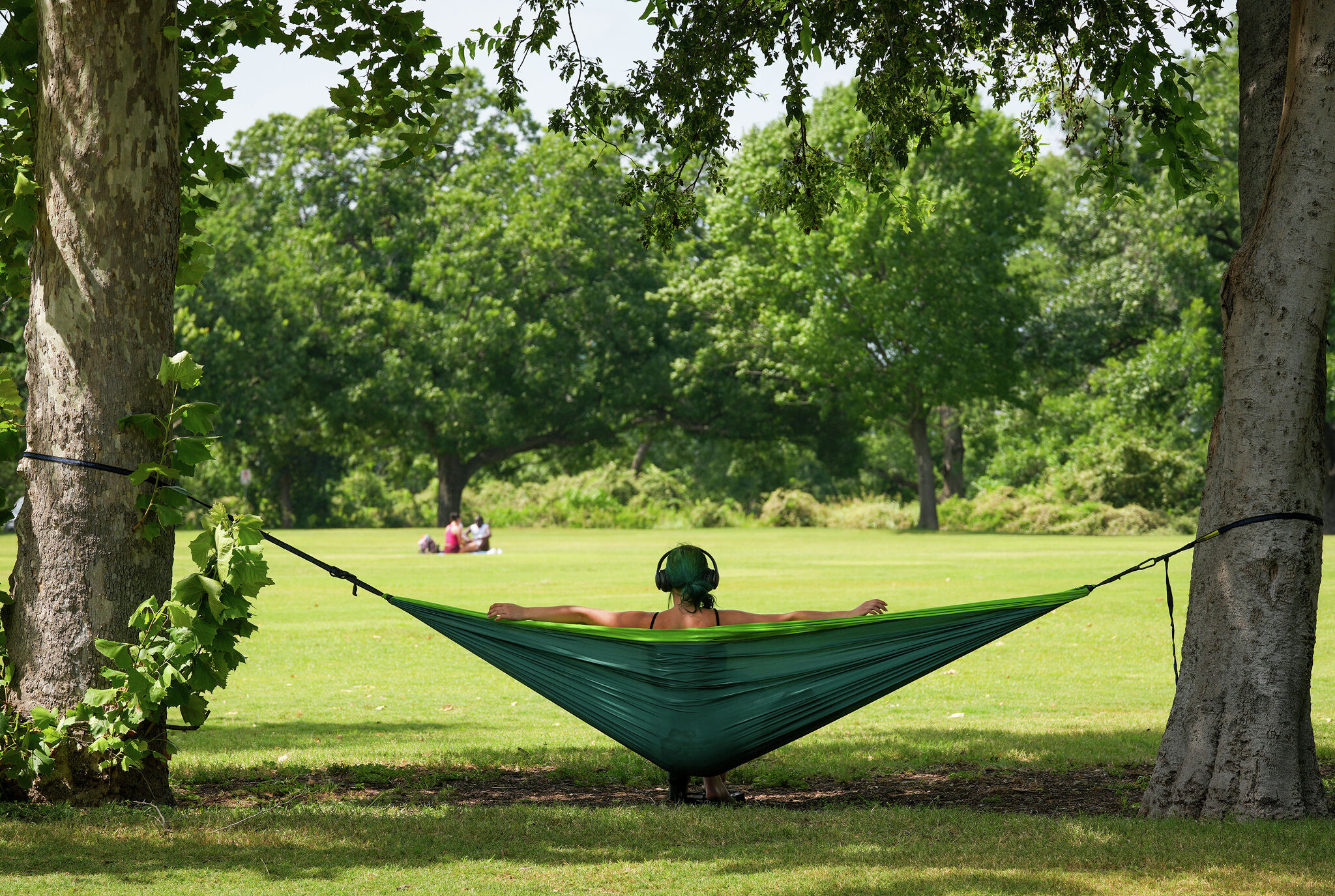
With July’s heat came typical summer viruses in Austin, as well as illnesses caused by heat and vehicle crashes, according to local doctors. August will bring a return of other viruses and bacterial illnesses as students head back to school
The most common illnesses this summer have been gastrointestinal viruses that have caused vomiting and diarrhea, according to Texas Children’s Hospital’s Austin location. “Stomach bugs like to go around in the summer,” said Dr. Danielle Grant, a Texas Children’s pediatrician in Spicewood
Article continues below this ad
These viruses have not been caused by the parasite cyclospora, which has been active in other states and has been tied to lettuce, though experts believe multiple outbreaks are happening now. The Austin area has only seen a normal amount or a slight increasein the number of cases of <a href="https://healthylife7.com/total-number-of-cyclosporiasis-cases-in-michigan-surpasses-12000/” title=”Total number of cyclosporiasis cases in Michigan surpasses 12,000″>cyclosporiasis, according to health departments in Travis, Williamson, Bastrop and Hays counties
Doctors also might be seeing more gastrointestinal viruses in their clinics because of the cyclosporiasis outbreak and patients’ concerns that they might have that parasite, said Dr. Anas Daghestani, president and CEO of Austin Regional Clinic
The COVID-19 summer surge did not happen this year, but some occasional cases that felt more like allergies popped up in late June and early July. Some lingering flu cases also emerged in July
“There’s always a few cases, but we’re doing more testing than we’ve seen illnesses,” Daghestani said of the more well-known illnesses. It’s been a normal season, he said. “Nothing is spiking.”
Article continues below this ad
Kids and adults at play, more injuries
July has been a month for bicycle- and scooter-related injuries, including cuts and bruises, broken bones and abdominal injuries. For people not wearing helmets, that also means head injuries. Electric bikes and scooters have intensified those injuries, said Dr. Jennifer Christensen, a pediatrician with Austin Regional Clinic in Bee Cave
Swimmer’s ear, an infection that often happens after water gets into the ear canal, has also been common
Article continues below this ad
Both Grant and Christensen have seen a lot of impetigo, which is a contagious bacterial infection of the skin. Some of that has been caused by people scratching mosquito bites, creating an opening for the infection to get in
Doctors also are seeing patients with summer rashes from being in nature or exposed to different materials not in their usual environments
High temperatures, more ick
Heat illnesses are also starting to be more prevalent with the temperatures in the upper 90s, and occasionally 100 degrees or more. Babies and toddlers as well as older people, and people with severe medical conditions or are taking medications that increase heat sensitivity should not be outside for long periods of time once the weather hits 85 degrees.
Article continues below this ad
For everyone, avoid being outside in the heat of the day if possible. Instead, exercise, practice or play outside in the morning or evening
As kids return to band camp and football, cross-country and soccer practice, doctors expect to see more heat illness cases in local emergency rooms
Christensen encourages people to look for these signs:
- Sweating a lot or not sweating at all
- Headache
- Lightheadedness
- In small children, throwing a tantrum or being irritable
- Confusion
- Slurred speech
- Hot to the touch
- Vomiting or nausea
- Passing out
Article continues below this ad
At the beginning stages of heat illness, encourage drinking water or an electrolyte drink and move the person into a shady place or inside. Use cold, wet cloths around the neck and face. Put ice packs in the groin or under the armpits to quickly lower the person’s temperature
Call 911 if the person is disoriented, vomiting or passes out. Emergency Medical Services can cool off the person quickly with IV fluids and transport them to a hospital for more care
Back to school, back to other colds
Christensen and Grant expect to begin seeing more non-stomach viruses and infections once the school year begins. Upper respiratory infections and strep will begin to spread. COVID-19 could also see a spike in the first weeks of school starting.
Article continues below this ad
