


Obesity may accelerate aging at the cellular level – Earth.com
08-07-2026
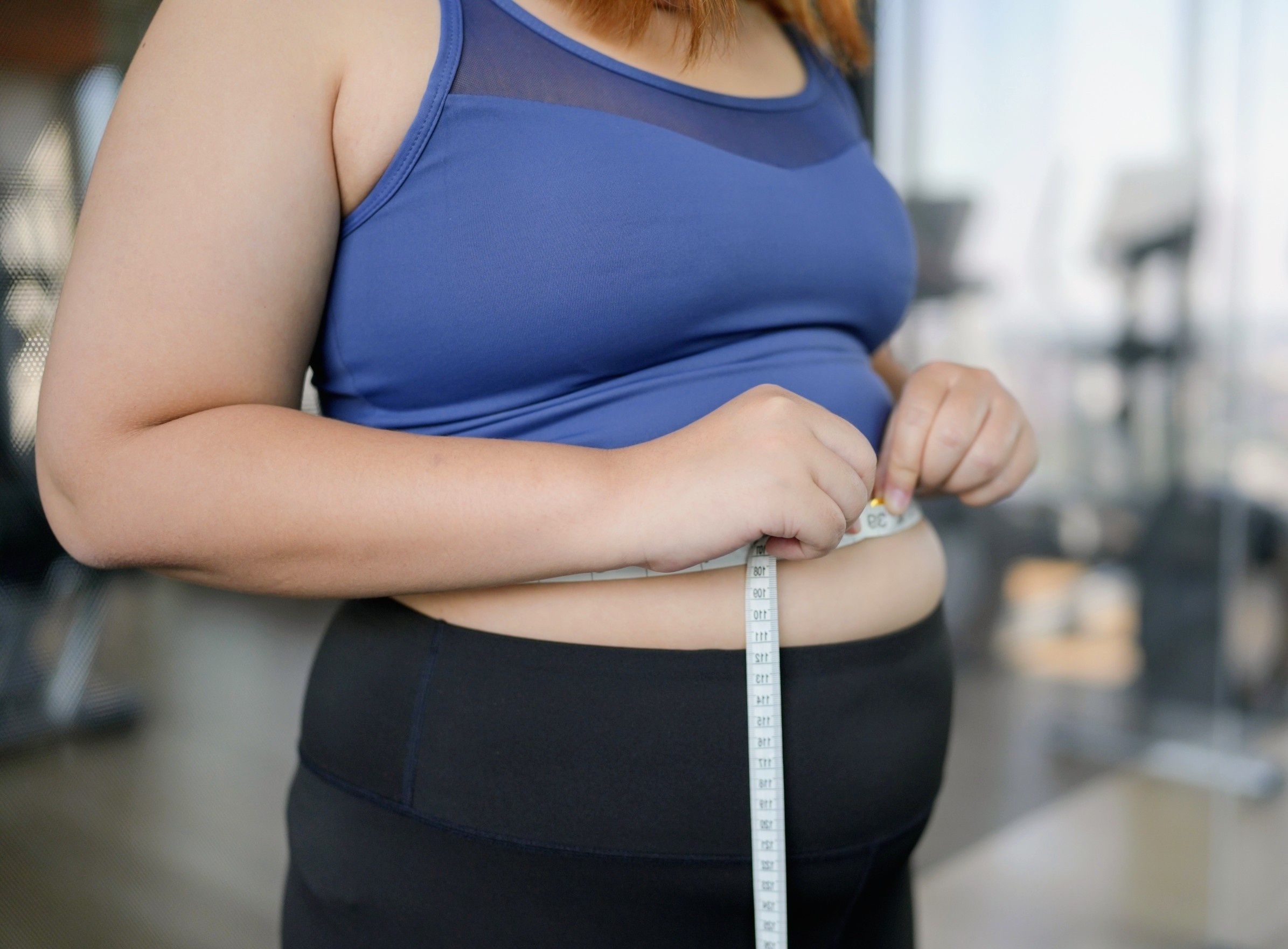
Obesity may speed up the body’s biological aging process
BySanjana Gajbhiye
Earth.com staff writer
People age at different speeds. Two bodies born the same year can wear down at very different rates
Extra body fat may be part of the reason. A new review lines up years of evidence behind that idea

The claim goes past the usual warnings about disease. Obesity may speed up the biological aging of the body itself
The review was conducted by researchers at West China Hospital, Sichuan University
The team explored why obesity and aging are so closely connected and examined the biological mechanisms they share
What makes the body age
Aging is a gradual process driven by the accumulation of damage inside cells
Scientists have identified about a dozen biological hallmarks of aging, with chronic inflammation and DNA damage among the most well understood
The World Health Organization defines obesity as a body mass index (BMI) of 30 or higher
Research shows that the risk of premature death is generally lowest with a BMI between 20 and 25, then increases as BMI rises above that range
Obesity affects many of the same biological pathways that drive aging
That is why the review describes obesity not simply as a risk factor for age-related disease, but as a condition that may accelerate the aging process itself
Extra fat keeps the body inflamed
Inflammation is meant to be brief. It flares when the body is hurt or infected, then settles
In obesity it does not settle. Fat tissue fills with immune cells that keep firing off inflammatory signals
One of those cells is the macrophage, a cleaner of cellular debris. In obese fat, it jumps from about 10 percent of immune cells to more than 40 percent
The pattern has a name: inflammaging. It also feeds insulin resistance, when cells stop listening to the hormone that controls blood sugar
Cellular aging speeds up
Our DNA sits inside structures called chromosomes. Each one ends in a protective cap called a telomere
Every time a cell divides, its telomeres shrink a little. When they become too short, the cell stops dividing or dies
Obesity speeds up the shrinking. Young people with obesity had telomeres about as short as much older, leaner adults
The cause is still unclear. Oxidative stress and inflammation, both common in obesity, are the main suspects
How obesity changes gene activity
Genes can be switched on or off without changing the underlying DNA sequence. Instead, tiny chemical tags attached to DNA control gene activity through a process known as epigenetics
These tags shift in a set pattern as we age. Obesity seems to speed that shift in some tissues
In one study, a small weight gain in the liver was linked to about a decade of additional epigenetic aging. Blood did not show the same jump, so the effect depends on the tissue
The link runs both ways. Gaining weight can move these tags, and the changed tags may push weight higher in turn
Obesity wears down cells and repair
Fat also wears on the cell’s power plants. These are the mitochondria, which turn food into usable energy
In obese tissue, mitochondria make less energy. They also show the kind of damage that usually comes with old age
The repair crew suffers too. Stem cells, the spare parts that replace dead cells, grow fewer and weaker in obesity
DNA damage piles up as well. Obese patients carried about twice the DNA damage in certain blood cells as normal-weight people
Worn-out cells build up faster
Some worn cells stop dividing but do not die. They linger in the tissue and leak inflammatory signals
These are called senescent cells. They accumulate as we age, and obesity appears to accelerate that buildup, especially in fat tissue
The buildup reaches past fat. In mice on a high-fat diet, these cells also gathered in the brain and the pancreas
Clearing them out has helped aging mice in other work. Whether that holds in people is not yet settled
Obesity throws gut bacteria off balance
The gut is home to trillions of bacteria. Their mix helps steer immunity and metabolism across the body
Obesity tips that mix out of balance. Helpful species thin out while overall variety falls
An imbalanced gut microbiome becomes more permeable. Bacterial products slip into the blood and stoke low-grade inflammation
That same shift shows up in normal aging. It gives obesity another way to push aging along
Losing weight may reverse damage
Here is the more hopeful part. Some of these aging changes seem to run backward when weight comes off
Calorie restriction and exercise have been associated with longer telomeres
Bigger losses lined up with bigger gains in telomere length, and the effect grew with the amount lost
Surgery told a similar story in a few reports. After weight-loss operations, DNA stability improved in people with severe obesity
This is not a rewind button. The review shows links and trends, not proof that losing weight reverses aging
Obesity drugs may slow aging too
The team also evaluated newer obesity drugs. These are the ones now used for weight loss and diabetes, including semaglutide, tirzepatide, and liraglutide
In laboratory studies using simple animals, a few of these drugs reduced signs of aging. In one experiment, liraglutide increased the average lifespan of roundworms by about 9 percent
Orlistat works by blocking some fat from being absorbed. In cell tests, it also pushed certain tumor cells to kill themselves
None of this proves these drugs slow aging in people. Most of the evidence comes from studies in worms, mice, or cells rather than human patients
What the findings cannot prove
The authors keep their claims in check. Their paper is a review, so it collects and weighs old work instead of running new tests
Most of the firmest data comes from mice or from cells in a dish. Human results mostly show associations, which cannot prove that obesity causes faster aging
The exact molecular steps are still unknown. Maintaining a healthy weight is already known to reduce disease risk, and this review suggests it may also influence how quickly the body ages
The study is published in the journal Genes & Diseases
Like what you read? Subscribe to our newsletter for engaging articles, exclusive content, and the latest updates
Check us out on EarthSnap, a free app brought to you by Eric Ralls and Earth.com
—–
