



Add us as a preferred source on Google
By The Washington Times AI News Desk-Saturday, August 8, 2026
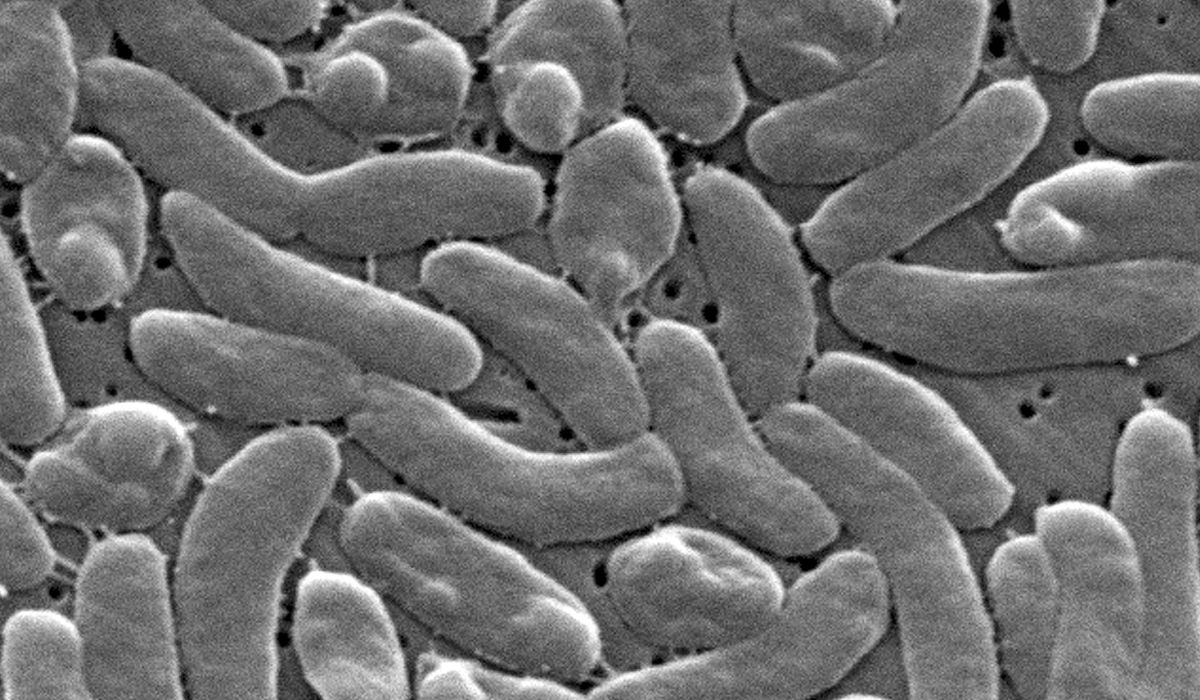
Louisiana health officials are urging beachgoers and seafood lovers to take precautions after Vibrio vulnificus, a bacterium sometimes described as “flesh-eating,” killed five people in the state so far this year, far exceeding the typical death toll by this point in the year
The Louisiana Department of Health reported Thursday that nine cases of the bacterium have been confirmed among state residents in 2026, and all nine patients were hospitalized. During the same period over the previous 10 years, Louisiana averaged seven cases and one death.
Every case reported this year has been linked to a wound exposed to seawater, and all of the patients had underlying health conditions, according to the Louisiana Department of Health. The bacteria occur naturally in warm coastal waters and are found in higher numbers between May and October, when water temperatures rise. Infection can also result from eating raw or undercooked shellfish, particularly oysters
Vibrio vulnificus is one of about a dozen species of Vibrio bacteria that can cause an illness known as vibriosis, according to the Centers for Disease Control and Prevention. Many people who contract it can become seriously ill and require intensive care or limb amputation, and about one in five people with the infection die, sometimes within a day or two of becoming ill.
Some severe wound infections progress to necrotizing fasciitis, in which tissue around the wound dies — the origin of the “flesh-eating” label. Public health experts believe group A Streptococcus, not Vibrio vulnificus, is actually the most common cause of necrotizing fasciitis in the United States, according to the CDC.
Who’s at risk
Anyone can get a Vibrio infection, but certain conditions raise the risk of severe complications, including liver disease, cancer, diabetes, HIV or thalassemia, immune-suppressing treatment, medications that reduce stomach acid, and recent stomach surgery, the CDC says.
Common symptoms of Vibrio infection include watery diarrhea, stomach cramps, nausea, vomiting, fever and chills. Bloodstream infections can bring dangerously low blood pressure and blistering skin lesions, while wound infections often show up as redness, pain, swelling, warmth, discoloration or discharge, per the CDC.
Prevention
Louisiana health officials recommend staying out of brackish or salt water with any open wound, covering cuts with a waterproof bandage before water exposure, cooking seafood thoroughly, and washing hands after handling raw shellfish. Mild infections generally don’t require antibiotics — people with diarrhea or vomiting are advised to drink plenty of fluids to prevent dehydration — while severe or prolonged infections are treated with antibiotics, and wound infections sometimes require surgery to remove dead tissue, the CDC says.
Nationally, 150 to 200 cases of Vibrio vulnificus are reported annually in the U.S., with roughly 50% occurring in the Gulf states of Texas, Louisiana, Mississippi, Alabama and Florida, according to the Louisiana Department of Health, citing national data
The Louisiana Department of Health said it will now post case data weekly through its Public Health Data Spotlight page as the state moves through the peak of warm-water season
This article was constructed with the assistance of artificial intelligence and published by a member of The Washington Times’ AI News Desk team. The contents of this report are based solely on The Washington Times’ original reporting, wire services, and/or other our AI policy or contact Steve Fink, Director of Artificial Intelligence, at sfink@washingtontimes.com
The Washington Times AI Ethics Newsroom Committee can be reached at aispotlight@washingtontimes.com
Copyright © 2026 The Washington Times, LLC.
Click
here for reprint permission.
Story Topics
- Louisiana
- Vibrio vulnificus
