


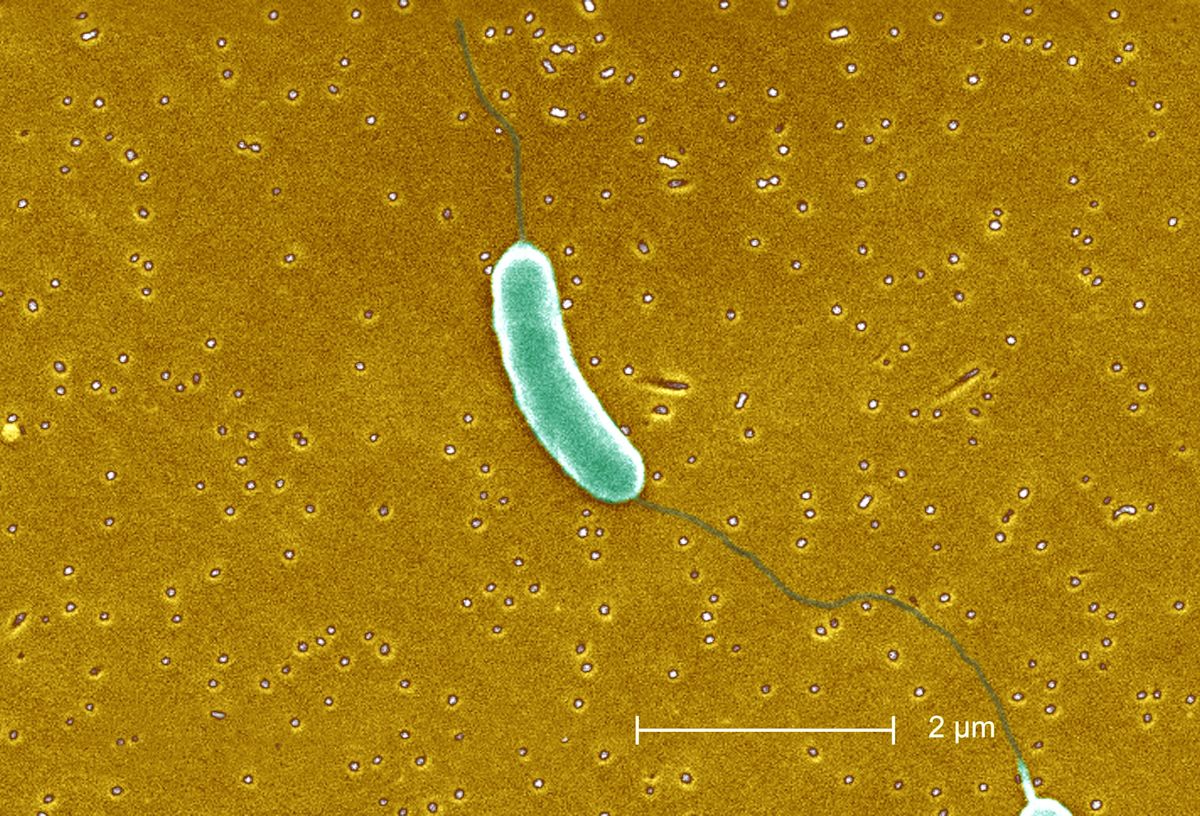
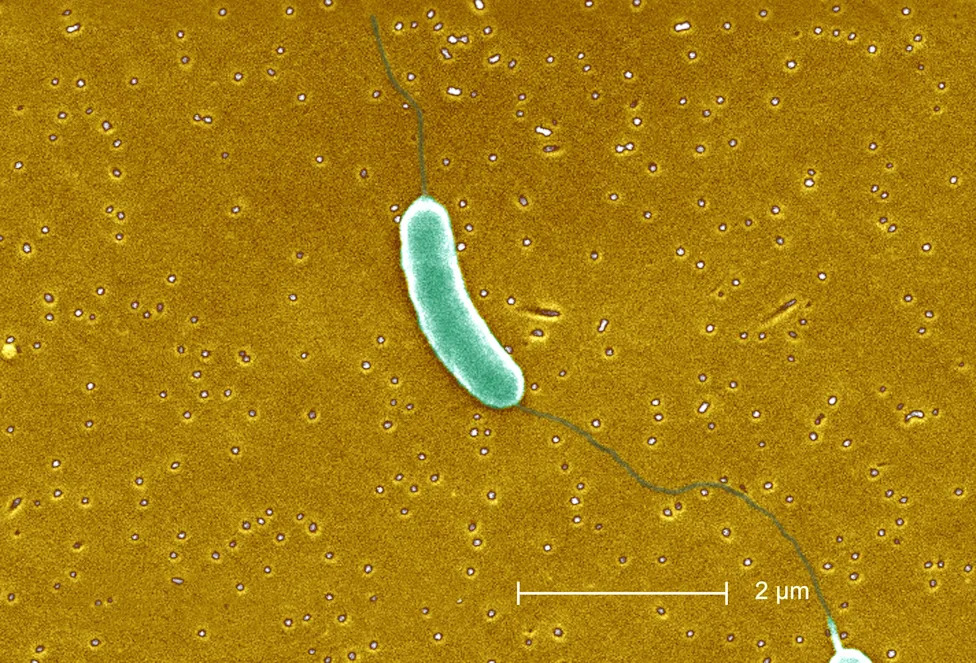
- Vibrio vulnificus infections have caused five deaths in Louisiana and two deaths in Florida this year, with a total of 14 infected in Florida.
- The bacterium thrives in warm, brackish coastal waters and can cause necrosis at the wound, leading to organ damage, sepsis, and sometimes death.
- Rising ocean temperatures and low-salt environments due to climate change have led to larger concentrations of Vibrio bacteria, increasing the risk of infections.
Another scary-sounding disease hitting the beaches this summer: Vibrio vulnificus
Five residents have died from Vibrio vulnificus in Louisiana, say health officials in the state. Four more people have also been hospitalized because of the infection, bringing the total reported infections up to nine. Two people in Florida have also died due to the bacteria this year, with a total of 14 infected in the state
Don’t be too anxious; this disease has caused infections for decades. According to officials, so far all of the Louisiana cases involved open wounds that were exposed to seawater. All of the patients had underlying health conditions that increase the risk for complications or severe infections
Advertisement
Vibrio vulnificus is a flesh-eating bacterium because the infection from the bacteria can cause necrosis at the wound. If a vibriosis infection leads to necrotizing fasciitis, the infection spreads quickly, “eating” away at skin tissue. The infection can result in organ damage, sepsis, and death in severe cases. Many people who contract vibriosis need intensive care and sometimes limb amputation
This naturally occurring bacterium thrives mainly in coastal waters. Warm, brackish water is where the bacteria are most likely to be found. It can infect people when open wounds come into contact with infected water or if they consume undercooked shellfish. Oysters are the biggest food to avoid
Vibrio is common mainly from May through October because of the warmer seawater. Although Vibrio is a common bacterium, rising ocean temperatures and low-salt environments have led to larger concentrations mainly in shellfish. Places like the Long Island Sound, which were once believed to be too cold to support the bacteria, have had outbreaks due to climate change. These infections have increased by more than eight times since 1988
According to research from the U.S. Department of Agriculture and the Environmental Protection Agency, cases of Vibrio could increase by 50% compared to 1995 due to global warming raising sea temperatures
Advertisement
Vibrio vulnificus is not the only Vibrio species. There are multiple Vibrio species, and many of those, including V. vulnificus, can cause vibriosis. Other Vibrio bacteria can cause cholera as well
The CDC estimates that about 80,000 vibriosis cases occur every year in the U.S
20% of people who contract Vibrio vulnificus die, sometimes as quickly as within one to two days of becoming ill. Symptoms of vibriosis come on fast, usually within a day of exposure
See a doctor if symptoms appear
Symptoms include diarrhea, stomach cramps, nausea, vomiting, and fever. Low blood pressure and blistering skin lesions can occur if the bacterial infection spreads into the bloodstream
Advertisement
Louisiana health officials are warning the public to avoid brackish water if they have open wounds and, if potentially exposed, to clean the wound thoroughly with soap. Although all of the cases in Louisiana have been associated with contact with open water, they have also warned people to cook seafood thoroughly and to keep it separate from raw seafood juices
Florida officials warned that after severe weather events, such as storms or hurricanes, which often occur in the state on the Gulf Coast, the risk of exposure to bacteria increases because brackish water is pushed inland. For example, in 2025, Florida reported 19 deaths from Vibrio vulnificus after Hurricane Helene and Milton
This story was originally published byMen’s Journalon Aug 8, 2026, where it first appeared in theNewssection. Add Men’s Journal as aPreferred
