


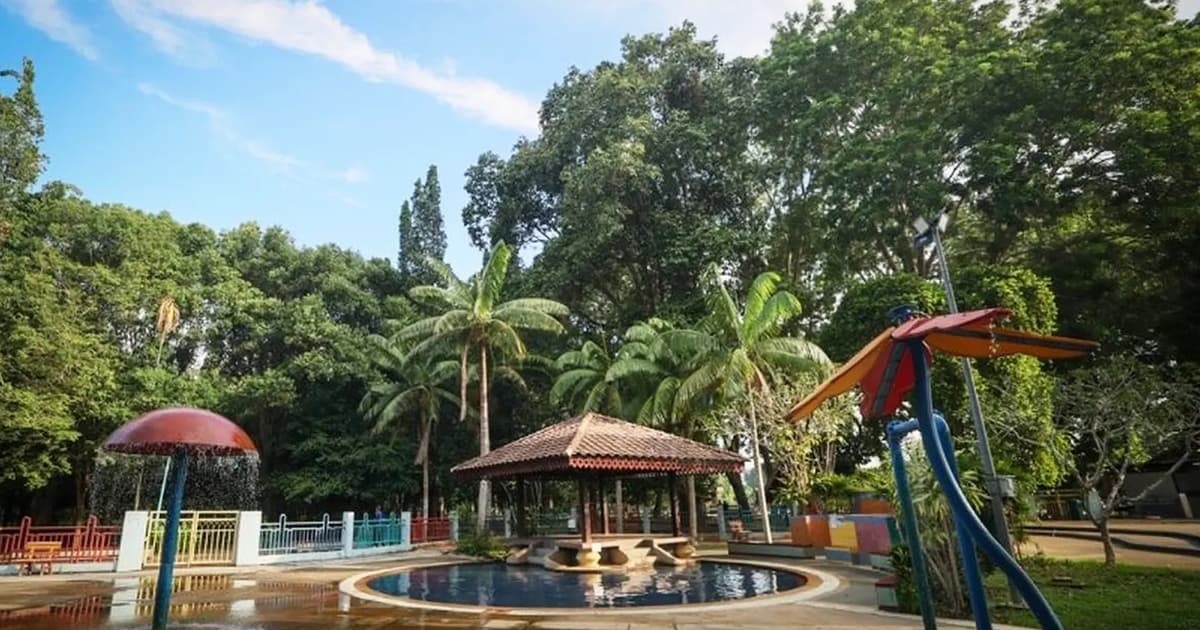
Urban green spaces offer a natural boost for mental wellbeing
KOTA BHARU:
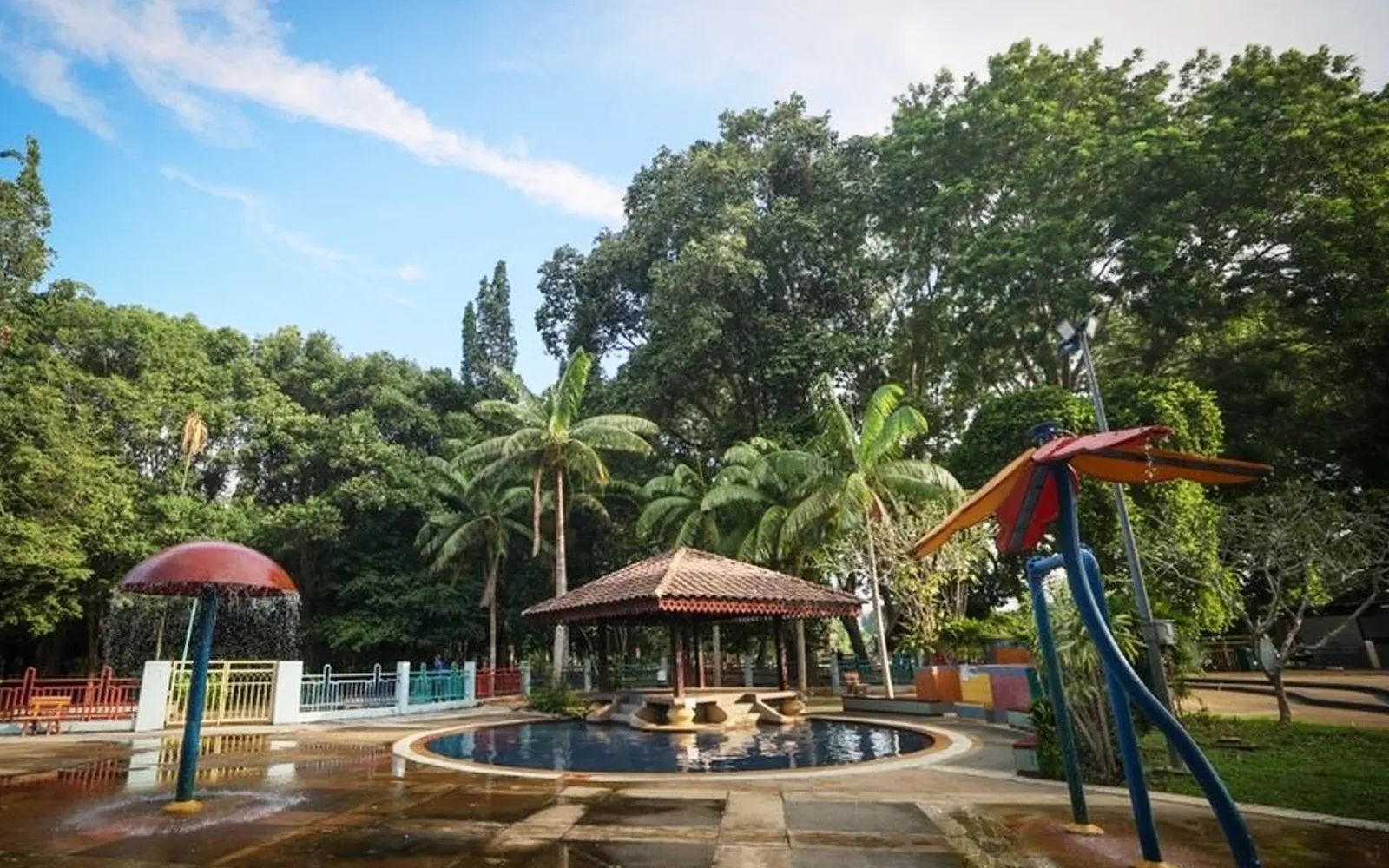
As the day begins to cool, parks across the country gradually fill with life. Some people arrive for a brisk walk or jog; others cycle, sit beneath the trees or spend time with their families away from traffic, screens and the demands of work.
The appeal is easy to understand: these leafy spaces offer room to move, breathe and slow down
But their value may go much deeper. According to clinical psychologist Hilwa Abdullah @ Mohd Nor, green spaces can act as “psychological recovery spaces”, helping people unwind from the noise, congestion and constant stimulation of urban life
Spending time around nature has been linked to lower stress, improved mood and reduced mental fatigue, said Hilwa, a senior lecturer at Universiti Kebangsaan Malaysia
After hours spent concentrating at work, navigating traffic or responding to notifications, the mind can begin to feel overloaded. Natural surroundings offer a welcome break
Walking beneath trees, watching water, or simply sitting quietly can help restore attention after a mentally demanding day. Even a short visit can be beneficial when it becomes part of a regular routine
Physical activity adds another boost, as walking, jogging and cycling stimulate the release of endorphins, which can improve mood and ease stress. Additionally, exercising outdoors can feel less repetitive than working out indoors
For private-sector employee Affendi Abdul Rahman, weekends often include a jog in the park. “Exercising in a green environment leaves me feeling more refreshed and energised,” the 30-year-old told Bernama
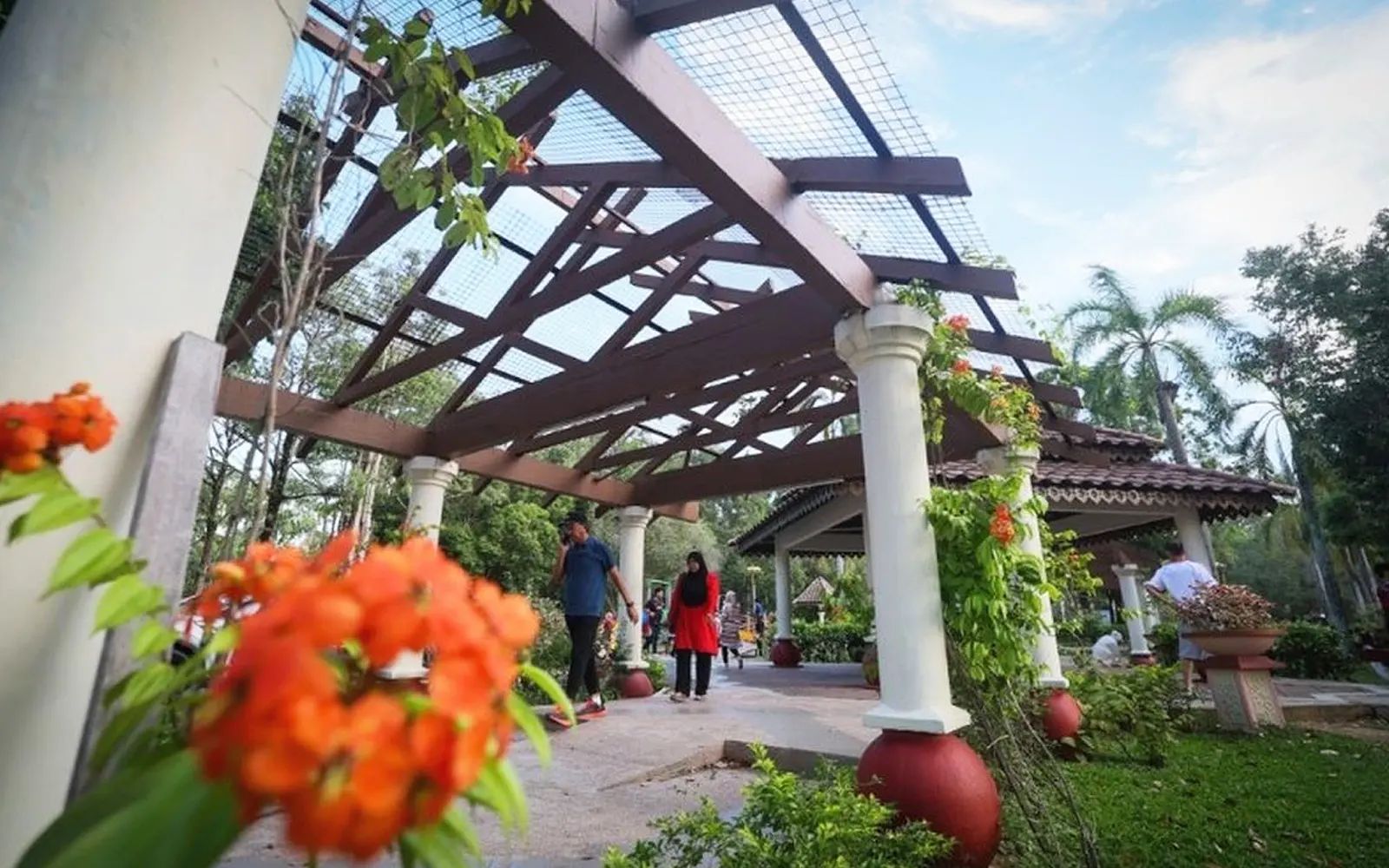
Civil servant Siti Aminah Abdul Maimon, meanwhile, heads to public parks after work when she needs to decompress. “Whenever I’m surrounded by greenery, I feel calmer and more refreshed,” she said
“It’s also a great opportunity to spend time with my family and friends.”
Indeed, public parks can serve as spaces in which loved ones can reconnect. Strong social connections can protect emotional wellbeing by giving people a sense of belonging and support, Hilwa noted
Greener cities, healthier lives
With this in mind, the design of a city can influence how people feel and behave each day. Neighbourhoods with accessible parks, shaded walkways and recreational facilities make it easier for residents to stay active and spend time outdoors
Safe, welcoming spaces also encourage people of different ages to gather rather than remain isolated at home
Green areas should, therefore, not be treated merely as decorative additions to a modern city, Hilwa said: they are an investment in public wellbeing
As urban areas become denser, protecting and creating such spaces may be increasingly important – particularly for residents who do not have gardens or easy access to nature
Stay current – Follow FMT on WhatsApp, Google news and Telegram
