


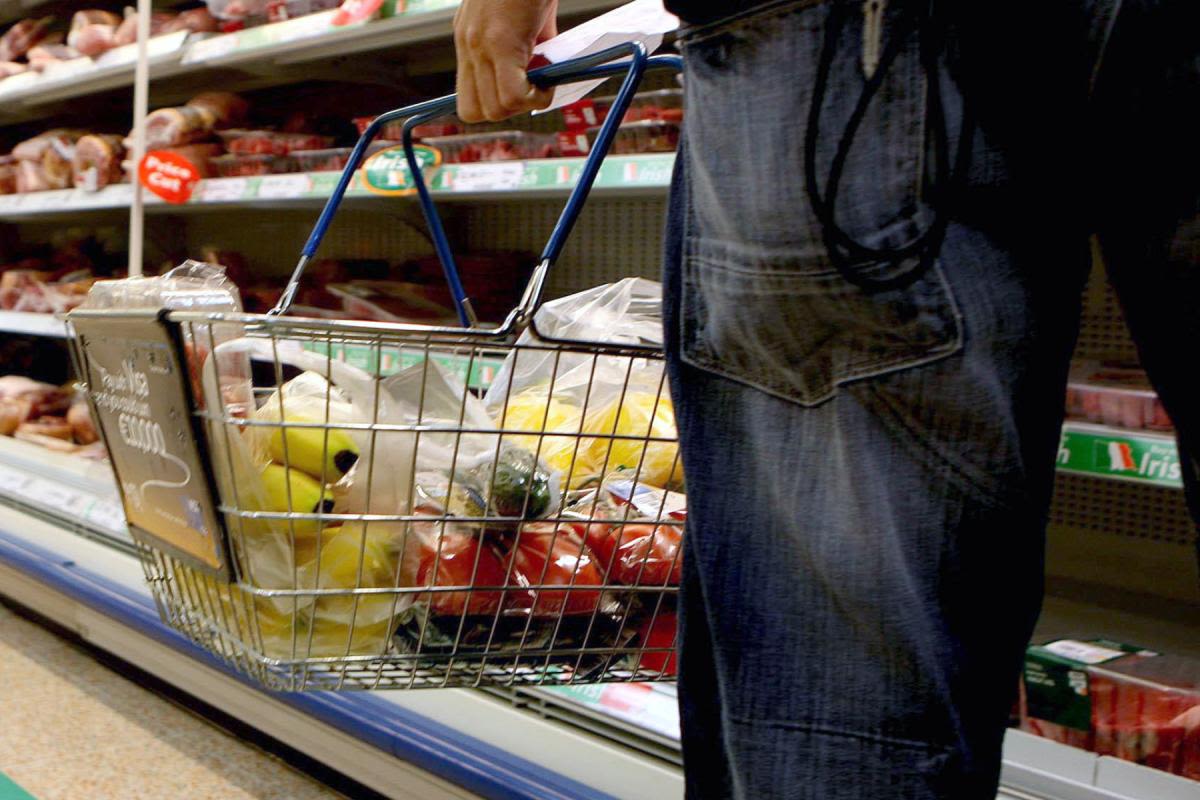
A new study has found that weight-loss drugs may be reshaping people’s food shopping habits
Research from The Knowledge Bank, part of the Scotland Food & Drink Partnership, points to a shift in purchasing trends across the country linked to rising awareness and use of GLP-1 medications, such as Ozempic, Wegovy, and Mounjaro
The study found that 87% of Scots are aware of the drugs, while 6% are currently using them
Advertisement
Advertisement
Among those with direct experience of GLP-1s, 77% reported spending less on cakes and biscuits, while 82% said they were cutting back on sweets and chocolate
Other categories impacted include prepared foods and ready meals (68%), ice cream (71%), and general snack items (74%)
Drinks trends are also shifting, with alcohol sales declining and no- and low-alcohol options on the rise
The findings show that healthier items are seeing a boost
Around 63% of GLP-1 users reported increased spending on vegetables, along with 50% for soft fruit, 41% for chicken and poultry, 45% for eggs, and 41% for yoghurt
Advertisement
Advertisement
Nearly 60% of users said they are eating out less frequently, while nearly half reported spending more on clothing
Three young women find unexpected paths thanks to NHGGC apprenticeshipsGlasgow has highest rates of premature cardiovascular disease death in UKI’ll never go back to Hampden after apocalyptic abuse at Calvin Harris gig
Carol Saunders, head of insights at The Knowledge Bank, said: “The impact of GLP-1 medications is still emerging, but the early signs suggest that this is more than a conversation about weight loss
“For food and drink businesses, the important question is how these medications may influence what people want to buy, how much they consume and where they choose to spend their money
Advertisement
Advertisement
“The clearest shifts in Scotland are towards products such as vegetables, soft fruit, chicken, eggs and yoghurt, alongside reduced spending on products including cakes, biscuits, confectionery and snacks
“Many of these categories are important to Scotland’s food and drink economy, where quality, provenance and premium produce are central to the sector’s reputation both at home and internationally
“While the findings do not mean every consumer taking a GLP-1 medication will behave in the same way, for a Scottish sector worth £19 billion and supporting more than 120,000 jobs, understanding how consumer behaviour is evolving will be increasingly important for producers and retailers
“The early evidence suggests that new health trends may be changing demand for Scottish consumers.”
Read more
Under threat drug and alcohol rehab crisis centre will be saved and taken overGrim past of Glasgow hospital which was once city’s “lunatic asylum”Young Coatbridge footballer back on pitch thanks to pioneering NHS care
The research also suggests that the trend is not short-lived
Advertisement
Advertisement
Around 42% of GLP-1 users said they had been using the medications for more than 18 months, indicating a longer-term switch in behaviour
On a UK-wide level, an estimated 1.6 million people have used GLP-1 drugs in the past year, with another 3.3 million expressing interest in using them in the next 12 months
Broader conversations continue around the long-term safety and sustainability of these drugs, especially if used without accompanying lifestyle changes
The implications for Scotland’s food and drink sector are wide-reaching
Retailers, manufacturers, hospitality businesses, and producers may all need to respond to changes in demand and product preferences
The report notes that while Scotland’s food and drink heritage remains strong, businesses will need to keep pace with changing attitudes to food choices, consumption, and moderation
