

Close Menu
healthylife7.comhealthylife7.com

    Subscribe to Updates

    Get the latest creative news from FooBar about art, design and business.

    What's Hot

    Games Mysteriously Disappearing From PlayStation Portal Cloud Library

    August 11, 2026

    Strength training exercise a vital part chronic disease prevention

    August 11, 2026

    Medicare GLP

    August 11, 2026
    Facebook X (Twitter) Instagram
    Trending
    • Games Mysteriously Disappearing From PlayStation Portal Cloud Library
    • Strength training exercise a vital part chronic disease prevention
    • Medicare GLP
    • Joint Forces Conduct Drone Defense Exercise
    • Rural Healthcare Crisis Becomes Real
    • Why your social circle may be the missing link in holistic health
    • Defense lawyer takes aim at psychiatrist’s care before Lindsay Clancy killed her 3 kids
    • Could Weight Loss Drugs Be Changing Your Period For the Worse?
    Facebook X (Twitter) Instagram
    healthylife7.comhealthylife7.com
    • Home
    • Fitness
    • Health
    • Nutrition
    • Lifestyle
    • Conditions
    • Mental Health
    • Weight Loss
    • Wellness Tips
    Tuesday, August 11
    healthylife7.comhealthylife7.com
    Home»Mental Health»Why Art Moves Us: Body and Brain
    Mental Health

    Why Art Moves Us: Body and Brain

    healthylife7By healthylife7August 11, 2026No Comments4 Mins Read
    Facebook Twitter Pinterest LinkedIn Tumblr Reddit WhatsApp Email
    Why Art Moves Us: Body and Brain
    Share
    Facebook Twitter LinkedIn Pinterest WhatsApp Email

    Key points

    • Art appreciation involves the whole body, not just the brain.
    • Beautiful and surprising art can change heart-rate variability.
    • Powerful art can alter both heart rate and skin conductance.
    • Our bodies provide measurable clues to our emotional response to art.

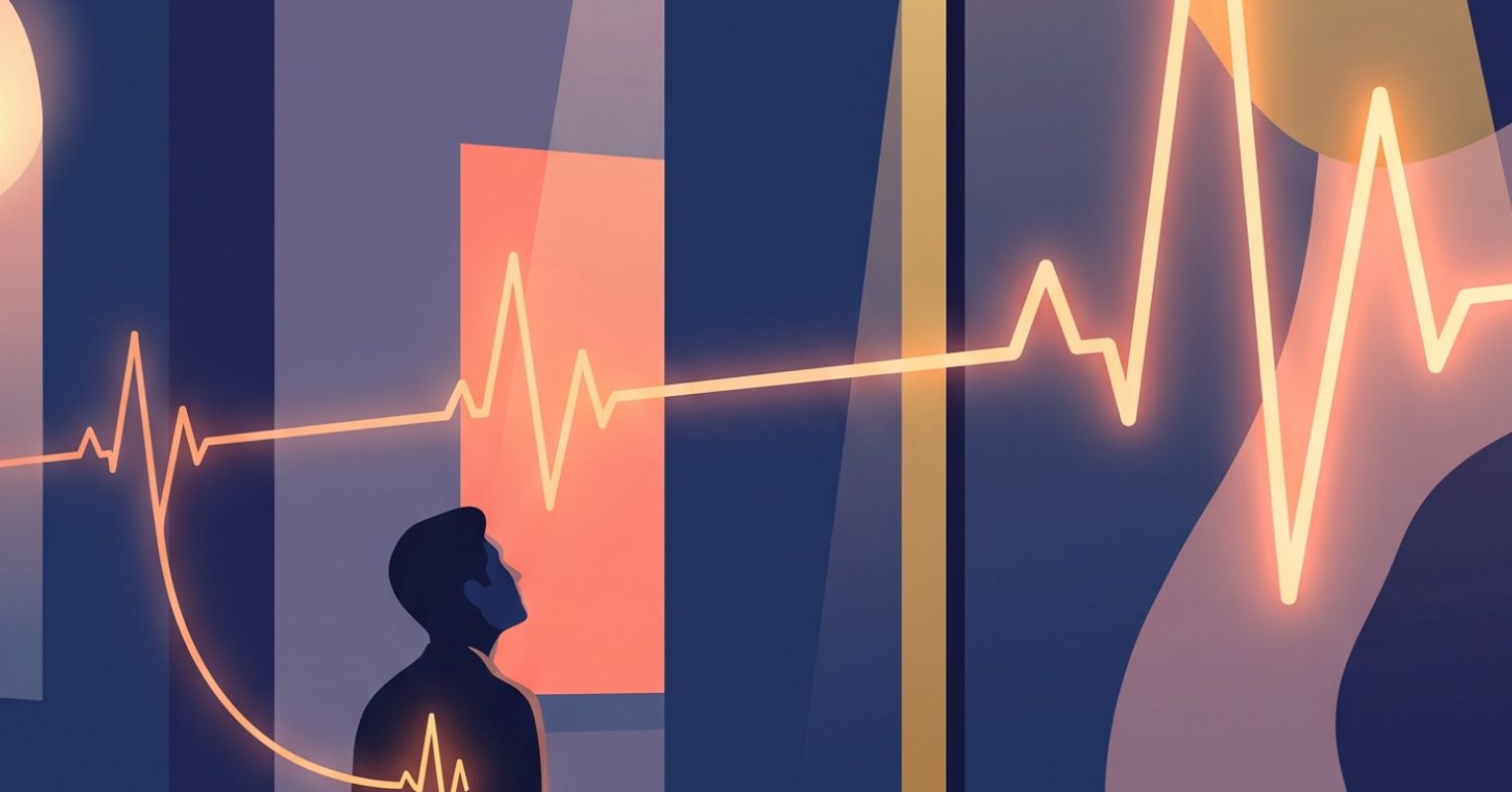
    When viewing art, some museum-goers get that loving feeling. They like what they see. A few go so far as to have a religious experience of sorts and report sensations of euphoria. We usually think of these perceptions as originating in the brain, and, of course, they do. But the brain does not appreciate art in isolation. The rest of the body joins in the experience as well

    Psychologist Wolfgang Tschacher and colleagues from institutes in Switzerland and Germany demonstrated this in a study of 373 visitors to the Kunstmuseum St. Gallen in Switzerland. Using a specially designed glove worn on the visitor’s right hand, the researchers wirelessly measured movement, heart rate, and skin conductance while they wandered through the museum. Sixty-five percent of the participants were female, and the average age was 47. Each visitor spent about 28 minutes in the exhibition.

    Skin conductance is one way researchers measure emotional arousal. It reflects small changes in skin moisture that are controlled by the sympathetic nervous system—the same system that prepares us for “fight or flight.” When we become emotionally engaged, sweat gland activity changes and can be recorded

    Immediately after leaving the exhibit, participants completed a computerized questionnaire. They were asked about the three artworks where they had lingered the longest, as determined by the motion sensors in the glove. They also rated three works selected in advance by the investigators

    • Aesthetic quality: Was the work pleasing, beautiful, and well-executed in technique, composition, and content?
    • Surprise or humor: Did it surprise the viewer or make them laugh?
    • Negative emotion: Did it convey sadness, fear, or anger?
    • Dominance: Did the work feel powerful or stimulating?
    • Curatorial quality: Was it well displayed and appropriate within the exhibition?

    Using statistical analyses, the researchers found that three of the four physiological measures showed significant relationships with the subject’s reactions to the art

    Beautiful, high-quality artworks and surprising or humorous pieces were associated with greater heart-rate variability. Art experienced as dominant or powerful was associated with greater variability in skin conductance and, interestingly, with a decrease in heart rate

    The investigators did not speculate about what these changes meant psychologically. In some ways, they did not need to. Their central finding was striking enough: Viewing art in a museum produces measurable physiological responses

    Their conclusion was that “an idiosyncratically human property, finding aesthetic pleasure in viewing artistic artifacts, is linked to biological markers.”

    That idea fits with what many of us have experienced in museums. We may stop in front of a painting because something about it catches our eye, only to discover that we have been standing there far longer than intended. We are not merely looking. Our attention has narrowed, our emotions have shifted, and our bodies have responded, too

    This does not mean that every beautiful painting will produce the same reaction in every person. Art appreciation is intensely personal, shaped by memory, experience, culture, and individual taste. One viewer may be captivated by a quiet landscape, while another barely notices it but is transfixed by an abstract canvas

    Still, studies like this remind us that aesthetic experience is more than an intellectual exercise. The brain interprets what we see, but it does so in constant conversation with the body. Heart rate, autonomic activity, and emotion become part of the experience

    Perhaps that is one reason art can remain with us long after we leave a museum. We do not simply remember what we saw. We remember how it made us feel

    Tschacher, W., Greenwood, S., Kirchberg, V., Wintzerith, S., van den Berg, K., & Tröndle, M. (2012). Physiological correlates of aesthetic perception of artworks in a museum. Psychology of Aesthetics, Creativity, and the Arts, 6(1), 96–103. https://doi.org/10.1037/a0023845

    Mueller, S. M. (2015, June 11). Appreciating art: Not all in the brain. Medical Economics. https://www.shirleymuellerporcelain.com/articles/2015/11/3/appreciating-art-not-all-in-the-brain

    body brain Moves
    healthylife7
    • Website

    Related Posts

    Exercise may help the aging brain “take out the trash”

    August 11, 2026

    Body Contouring vs. Plastic Surgery: What’s the difference and how GLP

    August 11, 2026

    US court rules tech firms must face lawsuits over social media addiction

    August 10, 2026
    Leave A Reply Cancel Reply

    Health
    Lifestyle

    Games Mysteriously Disappearing From PlayStation Portal Cloud Library

    By healthylife7August 11, 20260

    Over the weekend, dozens of PS5 games were randomly pulled from the PS Portal direct cloud streaming catalog. While Sony‘s terms of service allow it to add and remove games from the PS Portal library without notice, mass removal of games — including Sony’s own first-party titles — is unlikely to be deliberate

    Strength training exercise a vital part chronic disease prevention

    August 11, 2026

    Medicare GLP

    August 11, 2026

    Joint Forces Conduct Drone Defense Exercise

    August 11, 2026
    Stay In Touch
    • Facebook
    • Twitter
    • Pinterest
    • Instagram
    • YouTube
    • Vimeo
    Fitness

    Opinion: The FDA must put biotech at its center or continue to cede early research to China

    July 6, 2026

    Inside Elevance’s digital chronic disease management strategy

    July 6, 2026

    Best, Worst States For Well

    July 6, 2026

    What do the Middle Ages tell us about mental health then and now? VCU historian Leigh Ann Craig has answers

    July 6, 2026

    Subscribe to Updates

    Get the latest creative news from SmartMag about art & design.

    About Us

    Welcome to HealthyLife7.com, your trusted source for reliable health, wellness, fitness, and lifestyle information. Our mission is to help people make informed decisions about their health by providing clear, practical, and easy-to-understand content.

    At HealthyLife7.com, we believe that good health starts with the right knowledge. Whether you're looking for healthy eating tips, fitness advice, mental wellness strategies, weight management guidance, or information about common health conditions, our goal is to deliver valuable content that supports a healthier lifestyle.

    Fitness

    Games Mysteriously Disappearing From PlayStation Portal Cloud Library

    August 11, 2026

    Strength training exercise a vital part chronic disease prevention

    August 11, 2026

    Medicare GLP

    August 11, 2026
    Health

    Opinion: The FDA must put biotech at its center or continue to cede early research to China

    July 6, 2026

    Inside Elevance’s digital chronic disease management strategy

    July 6, 2026

    Best, Worst States For Well

    July 6, 2026
    Facebook X (Twitter) Instagram Pinterest
    • About Us
    • Contact us
    • Disclaimer
    • Privacy Policy
    • Terms and Conditions
    © 2026 healthylife7.com. Designed by Pro.

    Type above and press Enter to search. Press Esc to cancel.