


- News
- Health News
- Keto, Carnivore, High-Protein Diets: Can eating too much protein or too few carbs put your kidneys under stress?
Keto, Carnivore, High-Protein Diets: Can eating too much protein or too few carbs put your kidneys under stress?
Aadya Jha / TIMESOFINDIA.COM / Aug 11, 2026, 21:00 IST
AAText Size
- Small
- Medium
- Large

1/7
How extreme diets affect kidney health
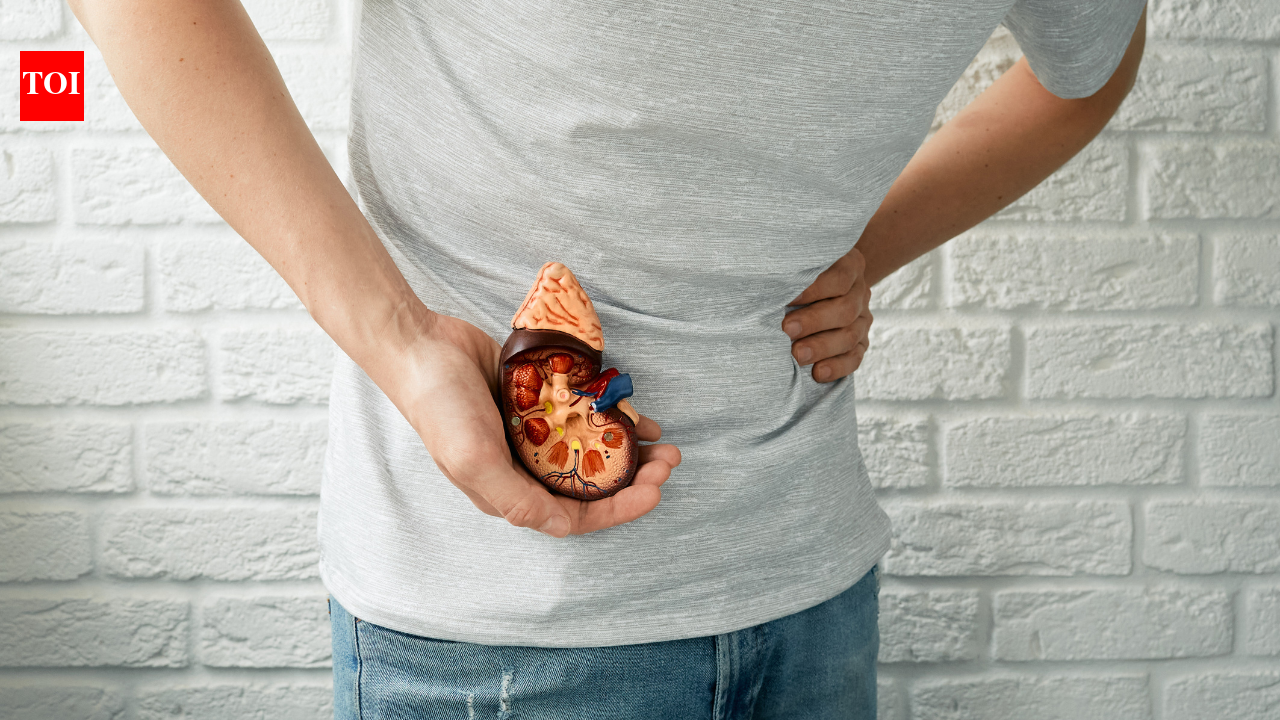
Extreme diets rarely come with a warning label. Keto promises rapid weight loss, high-protein plans are popular among gym-goers, and the carnivore diet has found an audience among people looking for a simple way to eat. But when a diet cuts out entire food groups or pushes one nutrient to an extreme, the question is not only whether it helps with weight or muscle. It is also what happens to the kidneys that have to process the by-products of what is being eaten.The answer is more nuanced than saying that keto, carnivore or high-protein diets automatically damage the kidneys. People with healthy kidneys may tolerate a higher protein intake or a well-planned ketogenic diet without developing kidney disease. But the situation changes when someone already has reduced kidney function, diabetes, high blood pressure, recurrent kidney stones or other risk factors.“Diet itself is not necessarily harmful to the kidneys, but extreme dietary patterns can become problematic depending on the amount of protein, salt, fluids and other nutrients consumed, as well as the person’s underlying kidney health,” said Dr Srivatsa A, Consultant Nephrologist & Transplant Physician, Apollo Hospitals, Bengaluru.The bigger concern, therefore, is not the name of the diet. It is how extreme the diet becomes, what it replaces and who is following it.

2/7
The kidneys do more work when protein intake rises
The kidneys constantly filter blood and remove waste through urine. They also help regulate fluid, electrolytes and acid-base balance, while playing an important role in blood pressure control.Protein is essential for muscles, hormones, enzymes and many other functions. But the body produces nitrogen-containing waste when it breaks down protein, and the kidneys help remove this waste.A higher protein intake can increase the kidneys’ filtration workload, a process known as glomerular hyperfiltration. In a person with normal kidney function, this does not automatically mean kidney damage. That distinction matters because a temporary increase in filtration is not the same thing as progressive kidney disease.The concern becomes greater when someone consumes very large amounts of protein for long periods, particularly when the diet is also high in sodium and low in fibre-rich plant foods.“People with pre-existing kidney disease should be particularly careful with high-protein diets. The amount of protein they need should be decided according to their kidney function and overall health,” Dr Srivatsa explained.This is why copying the diet of a professional athlete or fitness influencer can be misleading. Their calorie needs, exercise levels, kidney function and medical history may be completely different.
3/7
High-protein does not mean kidney damage for everyone
The internet often turns this subject into two extremes: protein either “destroys” the kidneys or is completely harmless. Neither statement captures the evidence.Studies in healthy adults have not consistently shown that higher protein intake causes chronic kidney disease. But that does not mean unlimited protein is a good idea.The distinction is particularly important for people who already have reduced kidney function. In chronic kidney disease, dietary protein may need to be moderated because excessive protein can increase the amount of waste the kidneys must handle.The National Institute of Diabetes and Digestive and Kidney Diseases (NIDDK) recommends that people with chronic kidney disease work with healthcare professionals to determine the right amount of protein, sodium, potassium and other nutrients.There is another issue that often gets missed. A “high-protein diet” can mean very different things.A plate built around eggs, pulses, fish, yoghurt and other minimally processed foods is not nutritionally identical to a diet dominated by processed meats, large portions of red meat and salty protein products.The second pattern can bring considerably more sodium and saturated fat. High sodium intake can raise blood pressure, and high blood pressure is one of the major causes and complications of kidney disease.So the kidney question cannot be answered by counting grams of protein alone. The source of that protein and the rest of the diet matter too.
4/7
Keto and carnivore raise different concerns
The ketogenic diet sharply reduces carbohydrates and replaces much of them with fat. Some versions also contain substantial amounts of protein
Keto has been studied for specific medical uses, particularly drug-resistant epilepsy, and ketogenic diets can help some people lose weight. But the medical ketogenic diet is not necessarily the same as the highly restrictive version followed for weight loss.One kidney-related concern is kidney stones. Research on ketogenic diets, particularly in children receiving medically supervised ketogenic therapy, has found an increased risk of kidney stones. Factors such as changes in urine chemistry, dehydration and altered mineral balance can contribute.That does not mean everyone following keto will develop stones. It means people who already have a history of stones should not treat hydration and diet composition as minor details. The carnivore diet is an even more uncertain territory.It removes fruits, vegetables, legumes and grains and relies almost entirely on animal foods. There is currently limited long-term clinical evidence showing whether a carnivore diet is safe for kidney health over many years.That lack of evidence is important. The absence of long-term studies is not proof that the diet causes kidney disease, but it also cannot be used to claim that the diet is harmless.A strict carnivore pattern can also make it difficult to obtain fibre and can result in high intakes of protein, sodium and saturated fat, depending on the foods chosen. For someone with kidney disease, those dietary changes may be particularly relevant.
5/7
Some people should not experiment with extreme diets
The same diet can affect two people very differently. Someone with normal kidney function may tolerate a moderately higher protein intake. A person with early chronic kidney disease may have much less room for dietary experimentation, even if they feel completely healthy.This matters because kidney disease can remain silent for years. There may be no pain, swelling or obvious change in urine during the early stages.People with chronic kidney disease, diabetes, high blood pressure, recurrent kidney stones or a known history of kidney problems should speak with a doctor before starting a restrictive or very high-protein diet.Older adults may also need more individualised advice, especially when kidney function has already declined.“Before starting an extreme diet, it is useful to know your baseline kidney function, especially if you have risk factors for kidney disease. A simple blood test for creatinine and an estimate of eGFR, along with a urine test for albumin, can provide important information,” said Dr Srivatsa.That makes one point especially important: feeling fine is not proof that the kidneys are fine.
6/7
The warning signs may appear after the damage has begun
Kidney problems do not always announce themselves dramatically. Some symptoms can appear only after kidney function has already been affected.Swelling around the feet, ankles or face, changes in urination, blood in the urine, persistent nausea, unusual tiredness or pain in the side or back should not simply be blamed on a new diet.Repeated kidney stones deserve attention too. But symptoms are not the best way to monitor kidney health. Kidney function can change before a person notices anything unusual. For people following a restrictive diet for months, especially those with existing health risks, periodic medical assessment can be more useful than waiting for symptoms.A balanced eating pattern also does not mean avoiding protein. Protein remains an important part of a healthy diet. The goal is to match intake with the person’s age, activity level, body size, medical conditions and nutritional needs.For someone trying to lose weight, the more sustainable question may be less about finding the most extreme diet and more about finding the least restrictive diet that produces useful, lasting changes.That could mean increasing protein without pushing it to excessive levels, choosing more whole foods, reducing ultra-processed foods, eating enough fibre and keeping sodium under control.As Dr Srivatsa put it, “There is no single diet that is ideal for everyone. A diet should be personalised based on kidney function, age, activity level, existing medical conditions and the person’s nutritional requirements.”Extreme diets can certainly have a place in selected medical situations under professional supervision. But a diet that works for one person on social media is not automatically a prescription for another person’s kidneys.The kidneys do not care whether a diet is trending. They respond to the actual workload, fluid balance, blood pressure, metabolic changes and overall health of the person following it.
7/7
Medical experts consulted
This article includes expert inputs shared with TOI Health by:Dr Srivatsa A, Consultant Nephrologist & Transplant Physician, MBBS; MD(Gen Med); DM(Nephrology); AST Fellowship in Kidney Transplant(Canada), Apollo Hospitals, Bengaluru.Inputs were used to explain how extreme diets such as keto, carnivore and high-protein plans may affect kidney health, particularly in people with existing kidney problems, and why medical guidance is important before making major dietary changes.image.png
Follow Us On Social Media
