


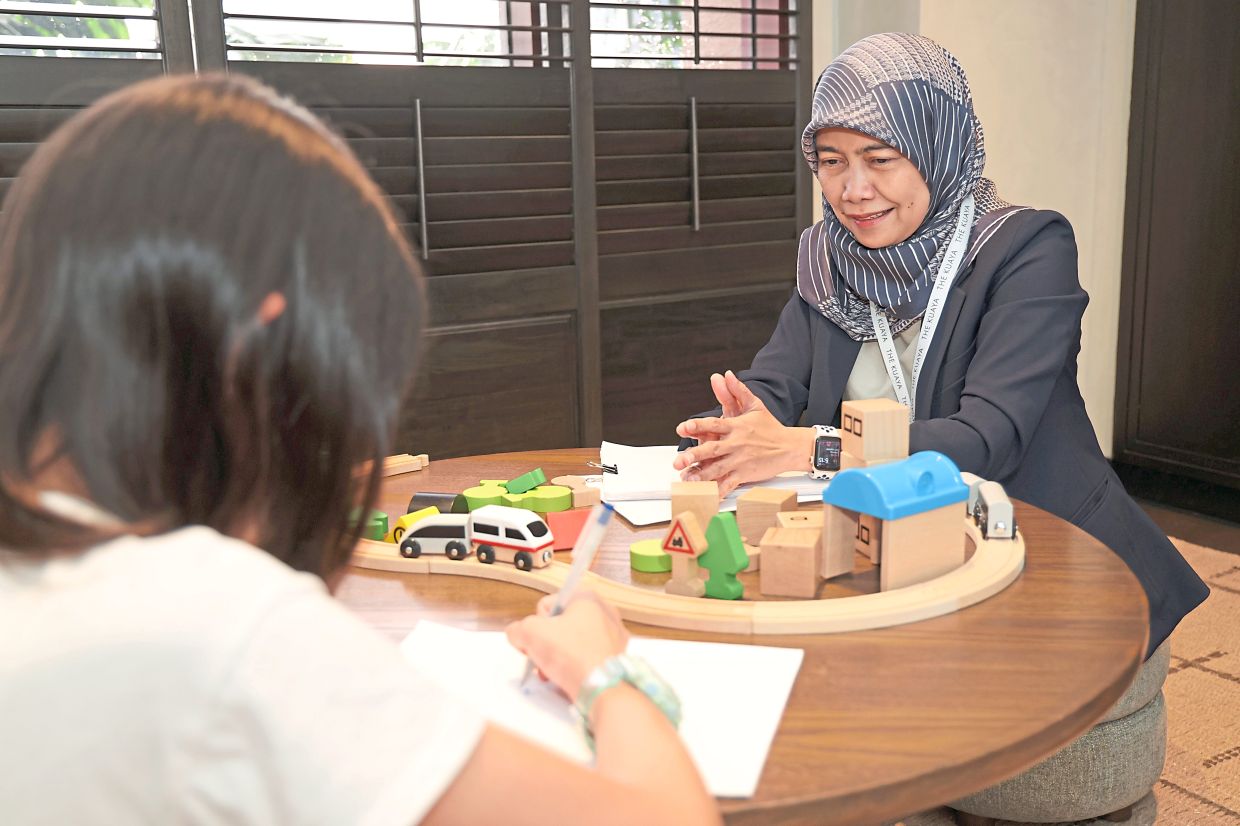
It often begins with what appears to be healthy eating – avoiding certain foods, counting calories or becoming increasingly restrictive with food choices
In some children, these behaviours may be early warning signs of an eating disorder
While eating disorders are commonly associated with teenagers and adults, they can also develop in younger children, says child and adolescent psychiatrist Dr Harlina Bahar
“In the past, eating disorders in younger children were considered very rare,” she says
“Most cases begin after puberty and continue into early adulthood, with the peak age of onset around 14
“However, we are also seeing cases in pre-pubertal children, before the onset of puberty or before girls begin menstruating.”
Dr Harlina shares that she has treated children as young as nine with eating disorders
She stresses that eating disorders are far more than psychological conditions and can have life-threatening physical consequences
“It’s not just about the psychological and emotional impact
“Eating disorders are a very serious illness
“They can make children physically unwell, and in severe cases, they can be fatal.”
According to Dr Harlina, restrictive eating disorders are among the most common types seen in children
One form of such disorders is avoidant/restrictive food intake disorder (Arfid), in which children severely limit the amount or variety of food they eat
This restriction is not driven by concerns about body weight or shape, but may stem from fear, anxiety or sensory sensitivities related to food
ALSO READ: When you’re more than a fussy eater
Anorexia nervosa is another restrictive eating disorder, in which a child severely limits food intake or exercises excessively, resulting in significantly low body weight and inadequate energy intake
Dr Harlina explains that a defining feature of anorexia is an intense desire to lose weight and a fear of gaining weight
Bulimia nervosa, meanwhile, is characterised by recurrent episodes of binge-eating, followed by compensatory behaviours, such as self-induced vomiting in private, to prevent weight gain
“Unlike people with anorexia, those with bulimia often maintain a normal body weight and may even be overweight,” she says
She notes that many people with bulimia do not seek help because they know their behaviour is unhealthy and often feel embarrassed
ALSO READ: Bulimia: The thought of rice made her panic
Some children may also be diagnosed with “other specified feeding or eating disorder (Osfed)”, previously known as “eating disorder not otherwise specified (Ednos)”
These are children who do not meet the full diagnostic criteria for anorexia or bulimia, but still display significant eating disorder symptoms
“For example, some avoid eating because they fear what certain foods might do to their body, rather than because they want to lose weight,” explains Dr Harlina
Early warning signs
Recognising the early warning signs of an eating disorder can make a significant difference to recovery.
Parents, teachers and friends are usually the best placed to notice such signs
One of the most noticeable signs is unexplained weight loss
Dr Harlina explains that because children are still growing, they are generally expected to gain weight gradually as they develop
“If they begin losing weight, that should raise concern,” she says
Parents should also watch out for their child becoming increasingly preoccupied with food
They may begin counting calories, avoiding certain foods because of their calorie content, or becoming unusually rigid about what they will and will not eat
Excessive exercise can also be a warning sign, particularly when it is driven by a desire to burn calories
“Some become so exhausted that they struggle to stand or walk, yet continue exercising in secret because they are determined to lose weight,” says Dr Harlina
Some may also misuse diet pills or other substances to induce diarrhoea or help them purge
Dr Harlina warns that anorexia nervosa is one of the most dangerous eating disorders because it can be life-threatening
As the body becomes severely malnourished, it begins conserving energy to protect vital organs such as the heart and lungs
As a result, less essential functions, including the reproductive system, begin to shut down
In girls who have already started menstruating, periods may stop because hormone production declines
The loss of these hormones can also affect bone health, growth, skin health and overall physical development
Other physical signs include dry skin, thinning hair and the loss of body fat
“Without enough body fat to stay warm, children often become unusually sensitive to cold and may wear extra layers of clothing,” she explains
“In severe cases, the body develops lanugo – fine, soft hair normally seen in newborn babies – to help retain body heat when body fat becomes dangerously low.”
Malnutrition also deprives the brain and body of the nutrients needed to function properly
This can cause children to struggle to concentrate and experience emotional changes such as irritability, anxiety, sadness or depression
“Children can die from these illnesses,” she emphasises
ALSO READ: When your teenager has eating troubles
A team effort
Treating eating disorders requires a multidisciplinary approach involving child psychiatrists, paediatricians, dietitians and the child’s family
“It is not managed by just one specialist,” says Dr Harlina
While many parents expect counselling or therapy to be the first step, she explains that treatment begins by assessing whether or not the child is medically stable
If not, the first priority is refeeding, i.e. helping the child regain adequate nutrition before therapy can begin
Children who are severely malnourished may need to be admitted to the hospital, especially if they have a dangerously low heart rate or low blood pressure
“When the body has been deprived of nutrition for a long time, the heart becomes weaker,” says Dr Harlina
Nutrition must therefore be restored gradually under close medical supervision, with guidance from a dietitian, to prevent refeeding syndrome
This is a potentially life-threatening condition that occurs when the body is unable to adapt to a sudden increase in nutrition after prolonged malnutrition
Once the child is medically stable, the focus shifts from restoring physical health to supporting psychological recovery
One of the main approaches Dr Harlina uses is Family-Based Therapy (FBT), which places parents at the centre of the child’s recovery
“We cannot treat only the child
“The whole family needs to be involved and informed, especially because the child can be defiant.”
During the early stages of treatment, parents take responsibility for ensuring that the child eats enough, with guidance from the healthcare team
As the child’s nutritional status improves, they are gradually given more responsibility for their own eating
“In this stage, we begin negotiating with the child about food and eating,” she says
The final stage focuses on helping the child return to everyday life, including school, sports and other age-appropriate activities
“When children are very ill, they may not be medically strong enough to take part in their usual activities
“As they recover, we gradually allow them to return to those activities,” says Dr Harlina
Although many children recover through nutritional rehabilitation and FBT, some may also require medication if they experience severe anxiety, depression or deeply entrenched fears about food
“Sometimes, the fear of food becomes extremely fixed
“It can resemble a delusion, where the child genuinely believes that food is dangerous and feels terrified of eating,” she explains
In such cases, a low dose of an antipsychotic medication may be prescribed to help reduce the child’s fear of food and the distorted beliefs that make eating difficult
However, she emphasises that medication is only one part of treatment
Lasting recovery depends on healthcare professionals and families working together to support the child throughout the recovery process
She also notes that recovery looks different for every child
While some get better within a few months, others require much longer treatment because eating disorders are complex illnesses
A balanced approach
While treating eating disorders can be complex, Dr Harlina believes prevention begins at home
“Everything should be balanced when it comes to eating,” she says
Some parents may be very strict about what their children eat, with the best of intentions
While parents should encourage healthy eating, they should avoid becoming overly restrictive
Some may ban sweets or certain foods, but an excessive focus on “healthy” eating can sometimes lead to an unhealthy preoccupation with food
Unlike adults, children are still growing and require a balanced diet to support healthy development
“Of course, parents should encourage fruits and vegetables, but children should also be allowed to enjoy treats occasionally,” she says
In the end, Dr Harlina notes that the goal is not to raise children who fear food, but to help them develop a healthy and balanced relationship with it
