


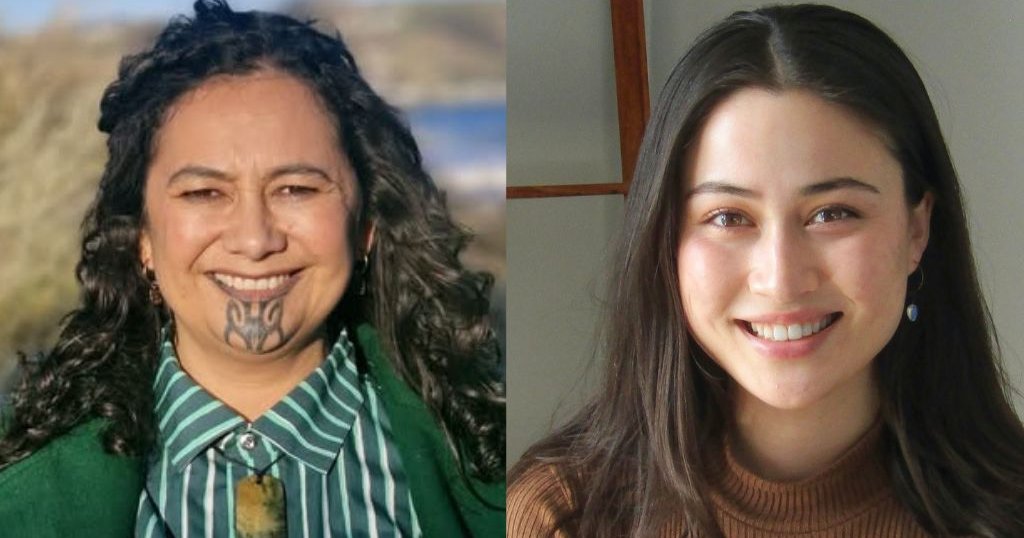
The study, led by Professor Lisa Te Morenga and PhD student Hinako Percival was published in Kōtuitui: New Zealand Journal of Social Sciences Online. It examined 324 Aotearoa New Zealand news articles published between November 2023 and October 2024 — a period of intense public and political debate about the future of the Programme
Professor Te Morenga says the findings highlight how media narratives can shape public understanding of social policy and influence political discussions about child poverty, education and health
“Our research found that while media coverage largely framed Ka Ora, Ka Ako as an important investment in child wellbeing and health equity, competing narratives focused on programme costs, personal responsibility and government spending.”
The research identified three dominant groups within media coverage: those advocating for social justice and child wellbeing, those emphasising market-based approaches and individual responsibility, and those providing largely factual reporting
The publication comes as the Ministry of Education explores options for the future of school lunch delivery, including models that could provide support to children experiencing food insecurity who do not attend schools that are currently eligible for the Programme
While Professor Te Morenga welcomes efforts to address child food insecurity, she warns that moving to a targeted model could have unintended consequences
“It appears that the end goal is to create a system where children have to prove they’re poor before they can receive a lunch. In my opinion that’s a terrible idea,” she says
“There is a significant stigma attached to poverty. International evidence shows programmes targeted only at poor children generally have lower uptake because families don’t want to be singled out. That isn’t something to celebrate. It means children who genuinely need support may miss out.”
Professor Te Morenga says one of the strengths of the current model is that all students within participating schools receive lunches together
“So many schools have told us that Ka Ora, Ka Ako has helped create kinder, happier school environments. There is something powerful about every child sharing the same experience
“Kids love their parents unconditionally. No child wants to feel like their parents are being judged because they can’t afford food. Targeting only the poorest children risks putting families under a spotlight and creating shame where there shouldn’t be any.”
The researchers argue school lunches provide benefits beyond addressing hunger alone
Schools with higher levels of deprivation often have fewer opportunities and re Universal provision helps ensure support is delivered without singling out individual students
The research also comes amid ongoing discussion about funding levels for school lunches
“The Programme needed to be sustainable, but the cuts that have been made are draconian. The funding available now severely limits what providers can deliver
“If we want school lunches to improve wellbeing and reduce food insecurity, the meals need to be nutritious, appealing and sufficient. A programme designed primarily around minimising costs risks undermining its own objectives.”
The researchers explain the ideal vision is a universal school lunch programme available to all learners in Aotearoa, similar to models used overseas. In the short term, however, Professor Te Morenga says she would welcome increased investment in eligible schools
“If the Government changes one thing over the next three years, it should increase funding to at least $6 per lunch. That would allow providers to include more fruit, vegetables and high-quality protein, the very foods that can be hardest for families experiencing food insecurity to afford.”
Professor Te Morenga would also like to see the Programme expanded to include more schools and a greater role for local providers, which would help to create jobs and strengthen local food systems
“The biggest mistake policymakers could make is drawing attention to a learner’s poverty. That’s not mana-enhancing. Any future model should support children with dignity and without stigma.”
