


August 13, 2026
What You Need to Know About the GLP-1 Economy
The making of a medical caste
Richard Eskow
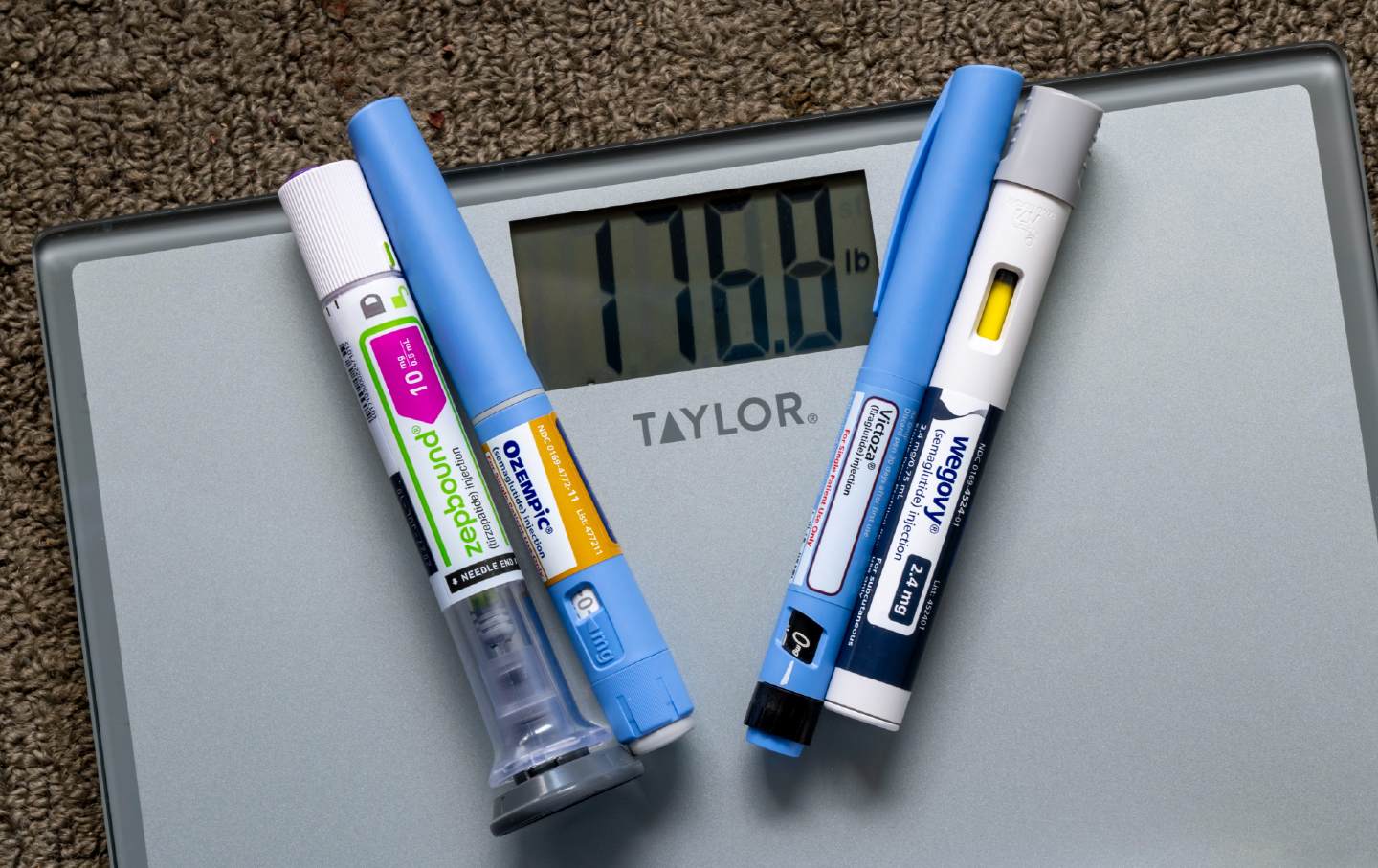
Thousands of words have been written about the use of GLP-1 drugs for weight loss, but the real story seems to have been overlooked. These medications have become a proving ground for a cohort of executives, tech billionaires, and politicians whose “reforms” could quickly accelerate current health inequities and create a new medical caste system in the United States
The stories we might have read about GLP-1s—in a better world, perhaps—would have reported that a class of diabetes drugs was also found highly effective for weight loss and may treat other conditions as well, and that these drugs are already improving public health while reducing overall health costs—because they cost only pennies per month. The stories we are reading tell us instead that a publicly funded discovery backed by billions in public funding was patented by private firms, who then jacked up prices so steeply that it has worsened medical inflation and left millions of people untreated.
That shouldn’t surprise anyone who knows the history of Novo Nordisk and Eli Lilly, the companies that hold the primary patents for GLP-1s. Each has paid hundreds of millions to settle allegations that include off-label marketing, kickbacks, and insulin pricing. These two companies alone already generate over $60–70 billion in annual GLP-1 revenue, thanks to exclusive rights they keep manipulating with patent gamesmanship
The result? Despite a massive increase in GLP-1 use for weight loss (more than 30 million users), millions of people are going without. The clinical obesity rate in the United States is 35 to 40 percent of the adult population. Accounting for people satisfied with their weight or using other approaches, that means more than 100 million potential users remain untreated
New research could make that number even larger. GLP-1s may soon help treat a wide range of other conditions, including liver, heart, and kidney disease, some cancers, Alzheimer’s, osteoarthritis, and potentially even mental illnesses like depression, bipolar disorder, and schizophrenia
The government could force pricing changes under existing law. Instead, the Trump administration collaborated with manufacturers to create “direct to consumer” pricing for GLP-1s. That means no third parties—insurers or other intermediaries—can negotiate prices. Per the administration’s agreements, those charges are expected to be $299 for Eli Lilly’s product and $350 for Novo Nordisk’s
Current Issue
September 2026 Issue
That may seem reasonable compared to past charges for these medications, which typically approached or exceeded $1,000 per month. But a Yale School of Medicine/Doctors Without Borders study found that it could cost as little as 75 cents per month to manufacture similar GLP-1s. And those “discounted” charges apply only to starter doses, not to maintenance treatment
It’s a troubling precedent. The administration agreement creates a separate financing track for one type of drug, outside the current health system’s (already inadequate) financial protections for patients
Medicare is adopting a similar two-tiered approach. Its GLP-1 pilot program would require patients to pay an additional, separate $50 per month, which wouldn’t count against Medicare’s usual out-of-pocket maximums. Its stated longer-term plan would only apply the maximum after patients have paid the full “direct to consumer” cost of $245 per month. Either approach would make these medications unaffordable for many seniors while extending the new “dual track” system to public insurance.
Meanwhile, the public research funding that made these drugs possible is being slashed. Private wealth will have even more influence over the direction of future medical research. That’s worrisome. Drug manufacturers direct much of their research funding to maximizing profits on existing discoveries, which leaves much less for real discoveries. Tech billionaires are investing heavily in life extension research such as epigenetic reprogramming, longevity treatments, and blood-based therapies. Some of these therapies show promise, but they remain largely untested in humans.
And the tech billionaires don’t just want to add years to their lives. They also want more dollars for their portfolios. Their preferred “monetizing” format, unsurprisingly, seems to be the Internet. The recent “Enhanced Games,” derided as an infomercial for supplements, steroids, and peptides, were backed by a billionaire-funded health portal called “Enhanced.” Another portal, HIMS, originally marketed itself to men as a shame-free source for hair growth nostrums and treatment for what was once called “impotence.” Today, HIMS and its women’s portal HERS feature GLP-1s as their lead products instead, sold at those “direct to consumer” prices. Dozens of other health and wellness portals are doing the same. Not to be outdone, the White House created its branded portal, “TrumpRX.”
The multi-track, Web-heavy health economy is well on its way to becoming reality
Popular
“swipe left below to view more authors”Swipe →
One Woman’s Message From the Hell of ICE DetentionOne Woman’s Message From the Hell of ICE Detention
How Occupy Wall Street Still Explains Politics TodayHow Occupy Wall Street Still Explains Politics Today
Yotam Marom
The Gaping Hole in El-Sayed’s Progressive AgendaThe Gaping Hole in El-Sayed’s Progressive Agenda
Elie Mystal
Bad Mothers and Monstrous ChildrenBad Mothers and Monstrous Children
Books & the Arts/Emmet Fraizer
The future this conjures is one where wealthier people can use any life-extending and health-maximizing treatment they like, working people struggle to obtain the basic care needed to sustain life, and members of the lowest “caste” receive little care beyond the occasional emergency room visit. This medical inequality could quickly worsen economic inequality. Studies have shown that some groups with certain health problems consistently earn less and have more difficulty escaping poverty. Among them are women with obesity, people with mental illness, and the physically disabled.
In some ways, a caste system already exists in the United States. People in the wealthiest 1 percent of counties live 10 years longer on average than those in working-class rural counties. The longevity gap between rich and poor has been growing wider for decades
Health inequity is already a crisis. But the GLP-1 story shows us how quickly even the worst injustices can accelerate, and in ways we have yet to imagine
Keep Reading
- Submit a correction
- Send a letter to the editor
- Reprints & permissions
Richard Eskow
More from The Nation
Trump Is Writing Off Kids With Disabilities, but We Shouldn’t Trump Is Writing Off Kids With Disabilities, but We Shouldn’t
A broad coalition of organizations, lawmakers, and former Department of Education officials are calling to preserve the agency from Trump’s liquidation plans
Feature/Regina Mahone

The Fight for Special EducationThe Fight for Special Education
Students were denied special education services even before Trump began dismantling the Department of Education. This Texas family is fighting back
Feature/Pepper Stetler
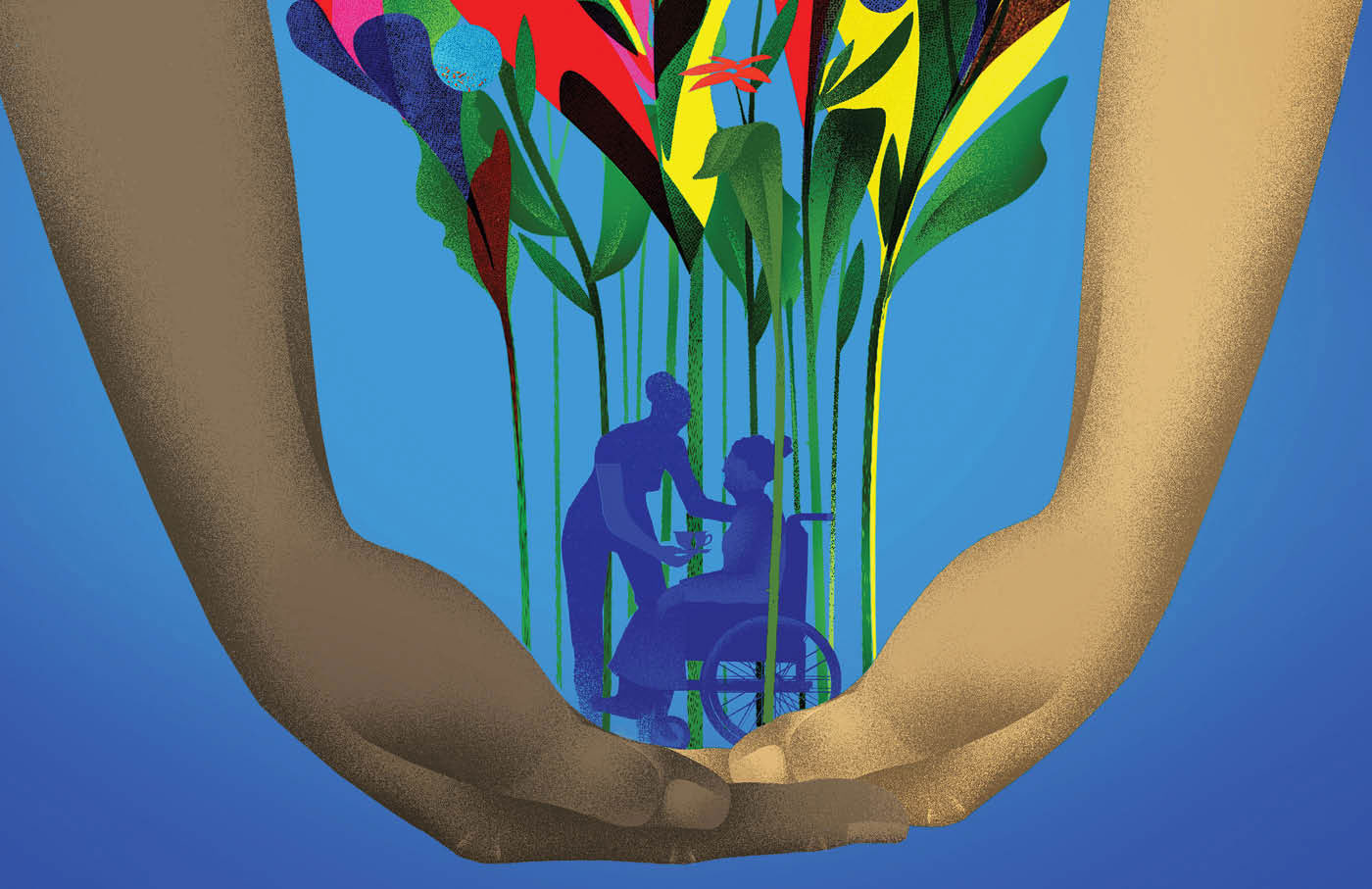
The Dignifying Solution to America’s Care CrisisThe Dignifying Solution to America’s Care Crisis
Employee ownership turns care work jobs into good jobs—and leads to better patient outcomes
Feature/Courtney E. Martin
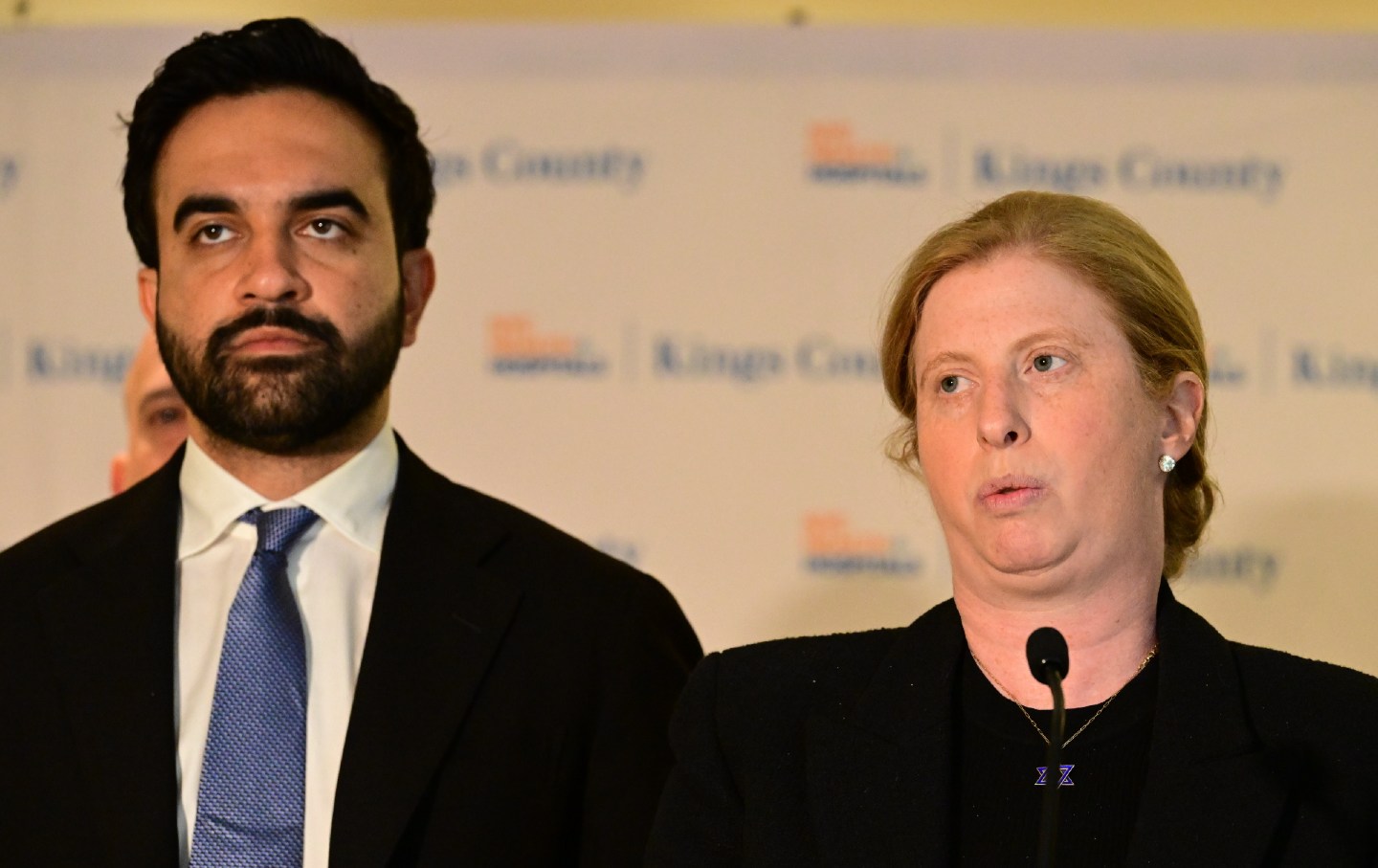
Can Zohran Mamdani Get Criminal Justice Reform Done if Jessica Tisch Is His Police Commissioner?Can Zohran Mamdani Get Criminal Justice Reform Done if Jessica Tisch Is His Police Commissioner?
His promises haven’t yet been fulfilled
Ross Barkan
One Woman’s Message From the Hell of ICE DetentionOne Woman’s Message From the Hell of ICE Detention
My husband, son, and I have been locked up for months—despite being permanent residents with no criminal record. It is an unendurable, unending nightmare
Maryam Tahmasebi
Saluting a Matriarch—25 Years After “Nickel and Dimed”Saluting a Matriarch—25 Years After “Nickel and Dimed”
Barbara Ehrenreich’s thesis has become even more resonant since the book’s 2001 release
Alissa QuartandNation Contributors
