


 Share on Pinterest
- A recent mouse study suggests that polyethylene, a major source of microplastics that was thought to be biologically inert, may increase the risk of liver disease or worsen an existing liver condition.
- The research found that exposure to polyethylene affected liver metabolism in mice by altering genes involved in tissue repair and damage response.
- However, these findings do not yet confirm that polyethylene directly causes liver damage in humans.
- To minimize microplastic exposure, experts recommend avoiding heating food in plastic containers, using glass or stainless steel for food storage, among many other steps.
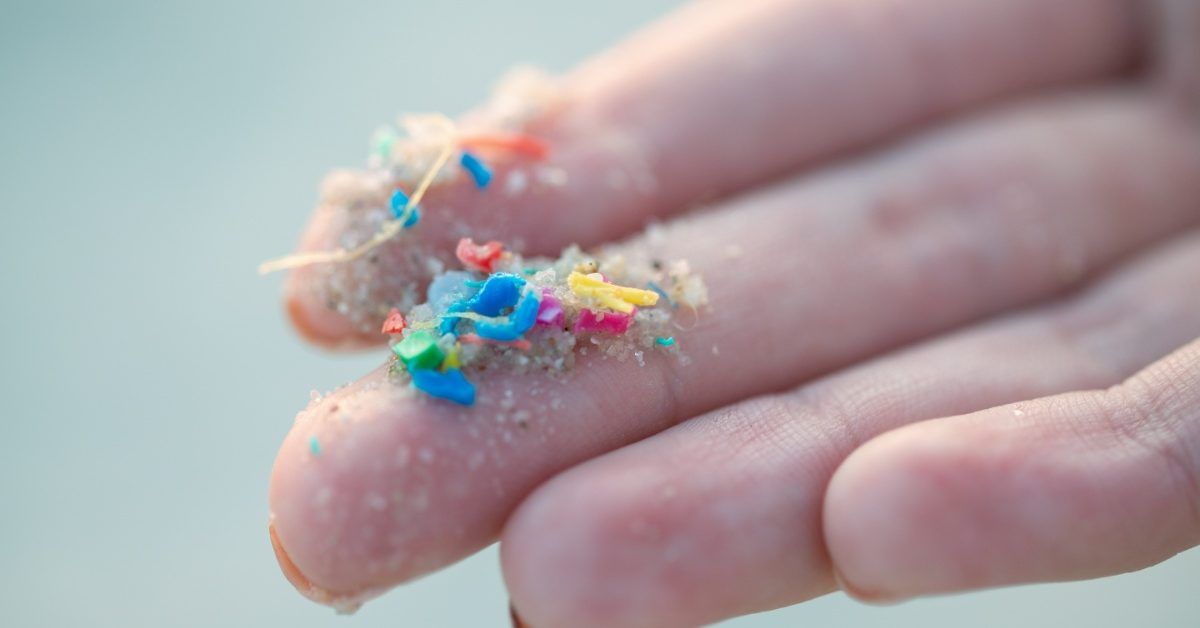
Microplastics are tiny plastic particles smaller than 5 millimeters (mm). As they can enter the body through food and drink, primarilyic packaging, researchers are concerned about their potential effects on human health
A recent study published in Science Advances suggests that polyethylene, the most widely produced plastic worldwide, could affect liver health by increasing the risk of a type of liver disease called metabolic dysfunction-associated steatotic liver disease (MASLD) or worsening an existing condition
However, because this was a mouse study, it does not yet establish that exposure to polyethylene can directly lead to liver disease in humans
“Polyethylene is one of the most widely produced and used plastics, especially in food packaging (such as freezer bags, plastic wraps, and paper milk carton coatings, as well as disposable bottles, beverage cups, and squeezable containers), yet its effects remain understudied. Therefore, we chose to investigate how polyethylene may impact metabolism, a key function of the liver,” explained Adi Joshi, PhD, study author, in an interview with Medical News Today
Polyethylene increases liver damage risk in mice
The study authors started their investigation on the possible effects of polyethylene by feeding mice either a control diet or a diet designed to induce metabolic dysfunction-associated steatohepatitis (MASH). The MASH diet was high in fat, fructose, and cholesterol
The researchers orally administered polyethylene to the mice every day for 8 weeks. They then performed various analyses, such as spatial transcriptomics, which measures gene activity
They found that both groups experienced liver problems as a result of exposure to polyethylene. In particular, the researchers noted changes in peroxisome proliferator-activated receptor alpha (PPARα), a nuclear receptor that regulates annexin A2 (ANXA2)
The study authors note that ANXA2 is involved in tissue recovery and damage response. Changes to this gene could impair typical liver function
How significant are these findings from a human health perspective?
While this particular animal study has identified polyethylene as a possible risk factor for liver disease, causation in humans is not yet confirmed
“The findings suggest that polyethylene microplastics may affect liver metabolism and potentially contribute to fatty liver changes in mice, but we cannot assume the same effect occurs in humans,” said Opel Baker, MBChB, general practitioner at the Mayfield Clinic, who was not involved in the study, in an interview with MNT
“More human research is needed before we can say that microplastics are a cause of fatty liver disease,” Baker added
The study did find that polyethylene exacerbated liver injury in those following the MASH diet
“Those who have a more Western-style diet, including foods like burgers and sodas, may have a greater chance of progressing to fatty liver disease if they are also exposed to polyethylene,” said Joshi in the press release
Limiting foods that could increase the risk of liver problems could help reduce this risk, though further human-based research is necessary to determine the role of microplastics
Joshi discussed areas for further exploration with MNT
“The next steps are to investigate whether polyethylene contributes to later stages of liver disease, such as fibrosis; to explore the comprehensive molecular mechanisms involved in the body’s response to microplastic exposure; and to determine whether targeting specific pathways could help mitigate polyethylene’s harmful effects on the liver.”— Adi Joshi, PhD, study author
“Additionally, investigating the direct causal relationship between microplastics and liver disease in humans will be a critical next step,” he said
How can a person avoid polyethylene and other microplastics?
As Baker explained, “It is impossible to eliminate exposure [to microplastics] completely, so I would focus on simple, practical measures rather than becoming anxious about it.”
To minimize exposure to polyethylene and other microplastics where possible, Baker suggests that people:
- Avoid heating food in plastic containers
- Use glass or stainless steel for storing food where possible
- Reduce reliance on single-use plastics
- Avoid keeping very hot food or drinks in plastic
Ultimately, Baker advised that, “Most importantly, there is currently no need for a specific ‘detox’ or treatment to remove microplastics from the body.”
How to further reduce liver disease risk
While the recent animal study suggests that polyethylene may contribute to the development of liver disease, it does not confirm that avoiding microplastics can help reduce the risk in humans
However, there are still steps a person can take to help manage some common risk factors
“For now, the best way to protect your liver remains focusing on the fundamentals: maintaining a healthy weight, eating a balanced diet, exercising regularly, managing conditions such as diabetes, and limiting alcohol,” Baker advised
“Further human research will help us understand whether microplastics have a meaningful role in liver disease,” he added
