

Close Menu
healthylife7.comhealthylife7.com

    Subscribe to Updates

    Get the latest creative news from FooBar about art, design and business.

    What's Hot

    WCM-Q white paper calls for urgent integration of lifestyle medicine into healthcare

    August 16, 2026

    Doctors and women who’ve had it call for more attention on postpartum psychosis

    August 16, 2026

    Undersea systems tested at world’s largest international maritime exercise

    August 16, 2026
    Facebook X (Twitter) Instagram
    Trending
    • WCM-Q white paper calls for urgent integration of lifestyle medicine into healthcare
    • Doctors and women who’ve had it call for more attention on postpartum psychosis
    • Undersea systems tested at world’s largest international maritime exercise
    • From ‘girl dinner’ to ‘boy kibble’: The internet serves up a new meal trend
    • Ending TPS is a public health issue
    • My girlfriend is a solo traveller: Why I fully support her independence
    • Patients with serious organ failure in Jurong to get more help at home under new scheme
    • Why US troops are forced to die at sea: What is happening on warship USS Lincoln patrolling near Iran?
    Facebook X (Twitter) Instagram
    healthylife7.comhealthylife7.com
    • Home
    • Fitness
    • Health
    • Nutrition
    • Lifestyle
    • Conditions
    • Mental Health
    • Weight Loss
    • Wellness Tips
    Sunday, August 16
    healthylife7.comhealthylife7.com
    Home»Health»Inbreeding in elephants found to cause health issues, research needed to address problem, says study
    Health

    Inbreeding in elephants found to cause health issues, research needed to address problem, says study

    healthylife7By healthylife7August 16, 2026No Comments4 Mins Read
    Facebook Twitter Pinterest LinkedIn Tumblr Reddit WhatsApp Email
    Inbreeding in elephants found to cause health issues, research needed to address problem, says study
    Share
    Facebook Twitter LinkedIn Pinterest WhatsApp Email

    KOTA KINABALU: Inbreeding among elephants has been found to cause health and genetic issues within the species, but further research is needed to find out the most feasible way to address this problem, scientists say

    Danau Girang Field Centre director Dr Benoit Goossens, who is also a professor at Cardiff University, said this was found in a recent study analysing the complete genomes of 81 Asian elephants from all four recognised subspecies

    According to the scientific journal Genome Biology and Evolution, inbreeding, which can lead to a loss of genetic variation and reduce the resilience of populations, has been found in the DNA of Asian elephants

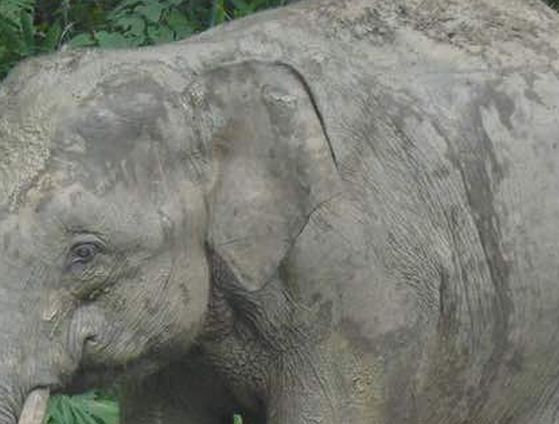
    The Bornean elephants have by far the highest level of inbreeding. In this subspecies, around 65% of the DNA has been inherited identically from both parents, a clear sign of long-term inbreeding, the study found

    Dr Goossens said that though introducing other species into existing herds is seen as one way to reduce the risk of inbreeding, careful consideration has to be taken before implementing them

    “For example, you want to avoid losing local genetic adaptations to the environment. Further research is therefore needed before such measures can be applied responsibly,” he said in a statement Sunday (Aug 16)

    He said if possible, the introduction of animals from other populations could bring new genetic variation into the population and can make populations more resilient

    This approach is known as genetic rescue, Dr Goossens, who is co-author of the study, explained, saying that for the Bornean elephant, the researchers consider this a potential management measure

    Ecological, practical, and ethical considerations all play an important role, he said

    Based on this research, the DNA of Asian elephants tells a concerning story and although all four subspecies are under pressure, there are considerable differences in their genetic health

    The Asian elephant (Elephas maximus) is found across South and Southeast Asia and is classified as Endangered by the the International Union for Conservation of Nature (IUCN)

    Habitat loss and fragmentation, human–elephant conflict, and poaching are causing populations to become smaller and increasingly isolated, increasing the risk of inbreeding

    For the study, the researchers obtained many of the blood samples that came from elephants that now live in European and North American zoos

    Thanks to the EAZA Biobank – a kind of international blood bank for zoo animals – and well-documented information on the animals’ origins, the researchers were able to reliably assign the DNA profiles to the correct subspecies

    The analyses show that the genetic health of the four subspecies differs substantially

    Other than the Borneo elephants, the Sumatran elephant also shows elevated levels of inbreeding, at around 35%

    “The risk of inbreeding is twofold,” says Jeroen Kappelhof, first author and PhD candidate at Wageningen University and Research, who is also affiliated with Rotterdam Zoo

    “On the one hand, genetic diversity declines. This makes it more difficult for populations to adapt to changes such as new diseases or climate change,” he said

    He said inbreeding increases the likelihood that harmful inherited traits will be expressed, which can, for example, lead to reduced fertility

    Both processes make populations more vulnerable and ultimately increase their extinction risk

    “This is why it is important to identify inbreeding at an early stage,” Kappelhof said, adding that researchers assessed this by looking at long stretches of DNA that were inherited identically from both parents

    He said such patterns arise when related animals reproduce with each other and this happens more often in small, isolated populations, causing inbreeding to increase over generations

    “One surprising finding is that, despite the major differences in inbreeding, the four subspecies still share a large proportion of their original genetic diversity,” says Kappelhof, suggesting that in evolutionary terms, they have not been separated from each other for very long

    He said the differences seen today have mainly arisen because some populations have lost more genetic variation than others, a situation which offers prospects for conservation, as genetic rescue may be an option for populations with low genetic diversity

    The study is part of a Dutch Research Council (NWO-funded research project led by Mirte Bosse (Wageningen University and Research and Vrije Universiteit Amsterdam) and was carried out in collaboration with international research partners


    cause elephants found health Inbreeding
    healthylife7
    • Website

    Related Posts

    Ending TPS is a public health issue

    August 16, 2026

    The 3 Health Metrics That Are More Useful Than BMI

    August 16, 2026

    San Juan County Board of Health calls for restoration of public health funding

    August 16, 2026
    Leave A Reply Cancel Reply

    Health
    Lifestyle

    WCM-Q white paper calls for urgent integration of lifestyle medicine into healthcare

    By healthylife7August 16, 20260

    Doha – Researchers from the Institute for Population Health (IPH) at Weill Cornell Medicine-Qatar (WCM-Q), in collaboration with global lifestyle medicine experts, have published a white paper calling for the urgent integration of lifestyle medicine into healthcare systems to help reduce the growing burden of chronic diseases. 

    Doctors and women who’ve had it call for more attention on postpartum psychosis

    August 16, 2026

    Undersea systems tested at world’s largest international maritime exercise

    August 16, 2026

    From ‘girl dinner’ to ‘boy kibble’: The internet serves up a new meal trend

    August 16, 2026
    Stay In Touch
    • Facebook
    • Twitter
    • Pinterest
    • Instagram
    • YouTube
    • Vimeo
    Fitness

    Opinion: The FDA must put biotech at its center or continue to cede early research to China

    July 6, 2026

    Inside Elevance’s digital chronic disease management strategy

    July 6, 2026

    Best, Worst States For Well

    July 6, 2026

    What do the Middle Ages tell us about mental health then and now? VCU historian Leigh Ann Craig has answers

    July 6, 2026

    Subscribe to Updates

    Get the latest creative news from SmartMag about art & design.

    About Us

    Welcome to HealthyLife7.com, your trusted source for reliable health, wellness, fitness, and lifestyle information. Our mission is to help people make informed decisions about their health by providing clear, practical, and easy-to-understand content.

    At HealthyLife7.com, we believe that good health starts with the right knowledge. Whether you're looking for healthy eating tips, fitness advice, mental wellness strategies, weight management guidance, or information about common health conditions, our goal is to deliver valuable content that supports a healthier lifestyle.

    Fitness

    WCM-Q white paper calls for urgent integration of lifestyle medicine into healthcare

    August 16, 2026

    Doctors and women who’ve had it call for more attention on postpartum psychosis

    August 16, 2026

    Undersea systems tested at world’s largest international maritime exercise

    August 16, 2026
    Health

    Opinion: The FDA must put biotech at its center or continue to cede early research to China

    July 6, 2026

    Inside Elevance’s digital chronic disease management strategy

    July 6, 2026

    Best, Worst States For Well

    July 6, 2026
    Facebook X (Twitter) Instagram Pinterest
    • About Us
    • Contact us
    • Disclaimer
    • Privacy Policy
    • Terms and Conditions
    © 2026 healthylife7.com. Designed by Pro.

    Type above and press Enter to search. Press Esc to cancel.