


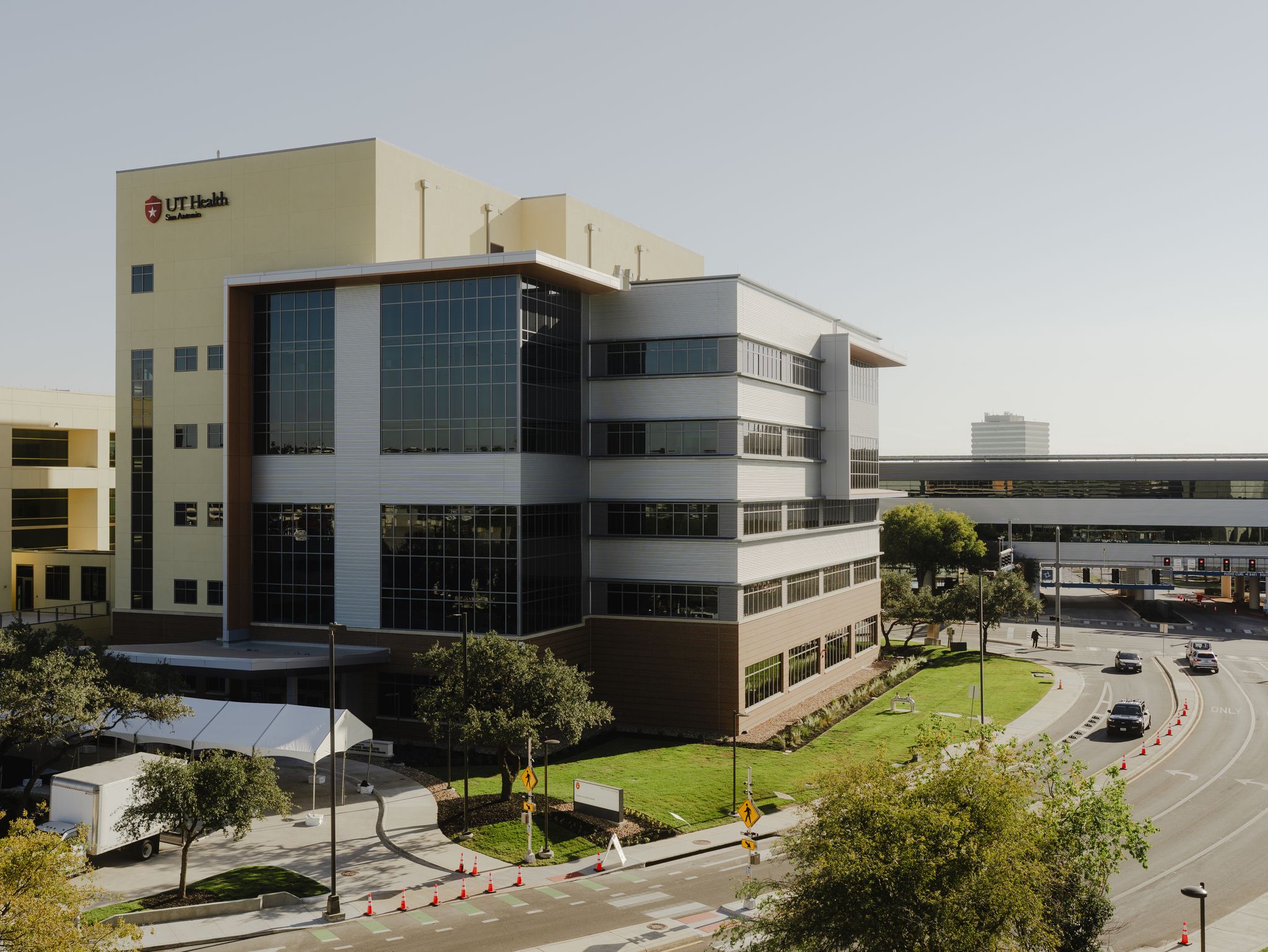
A form of dementia that affects younger people is more common among Hispanics than was previously realized, according to a UT Health San Antonio study
Although Hispanics are more likely than white people to have dementia, it previously was thought that frontotemporal dementia, or FTD, didn’t affect them, said Campbell Sullivan, who has a doctoral degree in psychology and is a clinical associate professor of neurology with the Glenn Biggs Institute for Alzheimer’s and Neurodegenerative Diseases at UT Health San Antonio
Article continues below this ad
But a UT Health team found that wasn’t the case. Researchers also found that Hispanics were underrepresented in previous FTD research, she said.
FTD is a group of rare, progressive brain diseases that typically strike people between the ages of 45 and 64 and damage the frontal and temporal lobes of the brain
Make us a Preferred Source on Google to see more of us when you search.
Add Preferred Source
Rather than causing the memory loss associated with more common forms of dementia such as Alzheimer’s disease, FTD leads to changes in personality and behavior and can impair the ability to communicate or understand language. Those with FTD can become more impulsive and say things that are offensive or hurtful without recognizing that they’re doing so, Sullivan said. The changes can become severe
Article continues below this ad
San Antonio study finds differences in FTD diagnosis
A UT Health team led the FTD research, which studied a cohort of 17 Hispanic and 22 non-Hispanic white participants. The researchers compared their findings with a national dataset, which came from the National Alzheimer’s Coordinating Center. That dataset included just 24 Hispanic participants and 407 non-Hispanic white patients, which was very “unbalanced,” Sullivan said.
The San Antonio study found that the Hispanic participants had more movement-related symptoms and that their cognitive impairment was more advanced at the time of diagnosis than that of non-Hispanic white participants.
“What we are seeing on the national level is not what we experience in South Texas,” said Sullivan, senior author of the study, “Frontotemporal dementia in Hispanic populations: Regional and national comparisons.” She oversaw UT Health San Antonio fellow Shannon B. Lavigne, who is the study’s first author. It was published in late July in Alzheimer’s & Dementia: Diagnosis, Assessment & Disease Monitoring, a peer-reviewed journal focused on dementia research
Article continues below this ad
HEALTH NEWS:UT Health San Antonio announces $5 million donation to help South Texans with dementia
The findings are especially significant in San Antonio, where Hispanics account for a majority of the city’s population, she said
Sullivan said the study not only dispelled the longstanding belief that FTD doesn’t occur in Hispanics but showed that there were significant barriers to getting a timely and accurate diagnosis. In addition, the assumption that FTD wasn’t an issue among Hispanics was itself a factor in not recognizing it among members of that group, she said. Researchers also concluded that lower educational attainment significantly influenced delays in FTD diagnoses among Hispanic participants
She said Hispanic participants in her cohort had waited four, or sometimes even 10 years, to seek help after their symptoms started. The study found that the time from the start of symptoms to diagnosis averaged four years.
Article continues below this ad
Biggs Institute seeks earlier diagnosis, broader research
“They’re coming to us further along in the disease than their white counterparts,” she said, adding that one of the Biggs Institute’s goals is to diagnose FTD earlier.
SA INC.:Get the week’s top local business stories in your inbox
“These families (of FTD patients) are not going to walk through this alone,” Sullivan said. She and her staff want to show those who struggle with FTD — and their families — that there is expertise, infrastructure and desire to bring future treatments to the community.
Article continues below this ad
Most dementia cases are sporadic, whereas the remainder have a genetic component, she said. More research is focused on finding ways to delay the onset of the disease in those who have a genetic risk, including lifestyle changes such as exercise, Sullivan said
Hispanics are 1.5 times more likely than white people to have dementia, according to the Alzheimer’s Association, a nonprofit organization that focuses on Alzheimer’s care, support and research
Almost 9 out of 10 Hispanics say it is important for Alzheimer’s and dementia care providers to understand their ethnic or racial background and experiences, the association reported
To that end, the Biggs Institute has “built an entire army of research assistants and staff who are bilingual,” Sullivan said.
Article continues below this ad
RELATED:Biggs saved local jobs, helped medical school raise funds
The Biggs Institute is a designated National Center of Excellence for Dementia Care and Research built with support from the University of Texas System and more than $40 million in local philanthropic donations. Clinical care is billed through insurance, but for individuals who are uninsured or underinsured, philanthropic funds are available to help with program costs, Sullivan said.
Volunteering in research studies also can give participants access to treatment. “Our South Texas cohort has shown that our Hispanic families with FTD are present and willing to participate,” she said.
Article continues below this ad
“(Dementia) is not always terministic,” Sullivan said. “We are going to do everything in our power to help these families through social work, counseling, caregiver support and more as the disease is just one aspect of their life.”
