


 Share on Pinterest
- Eating about a handful of nuts each day was associated with a 20% lower risk of developing hypertension, according to a new analysis.
- While researchers found that higher nut consumption was associated with lower hypertension risk, the study does not prove that eating nuts directly prevents high blood pressure.
- Experts say the type of nut may matter less than how it is prepared, with unsalted or lightly salted options helping to limit sodium intake.
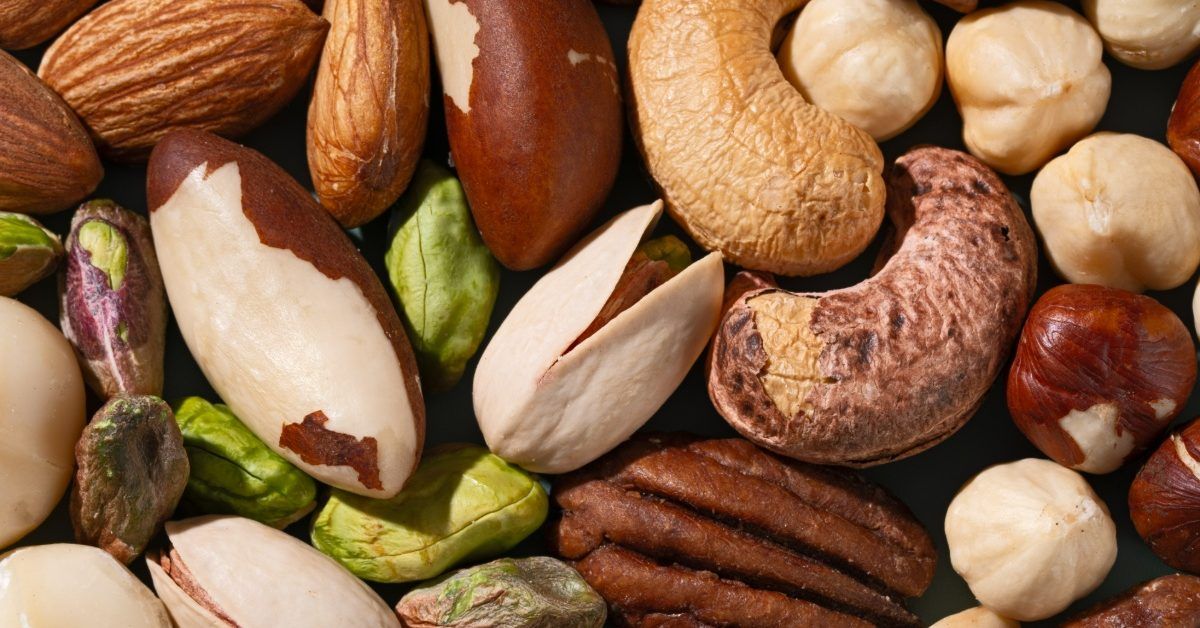
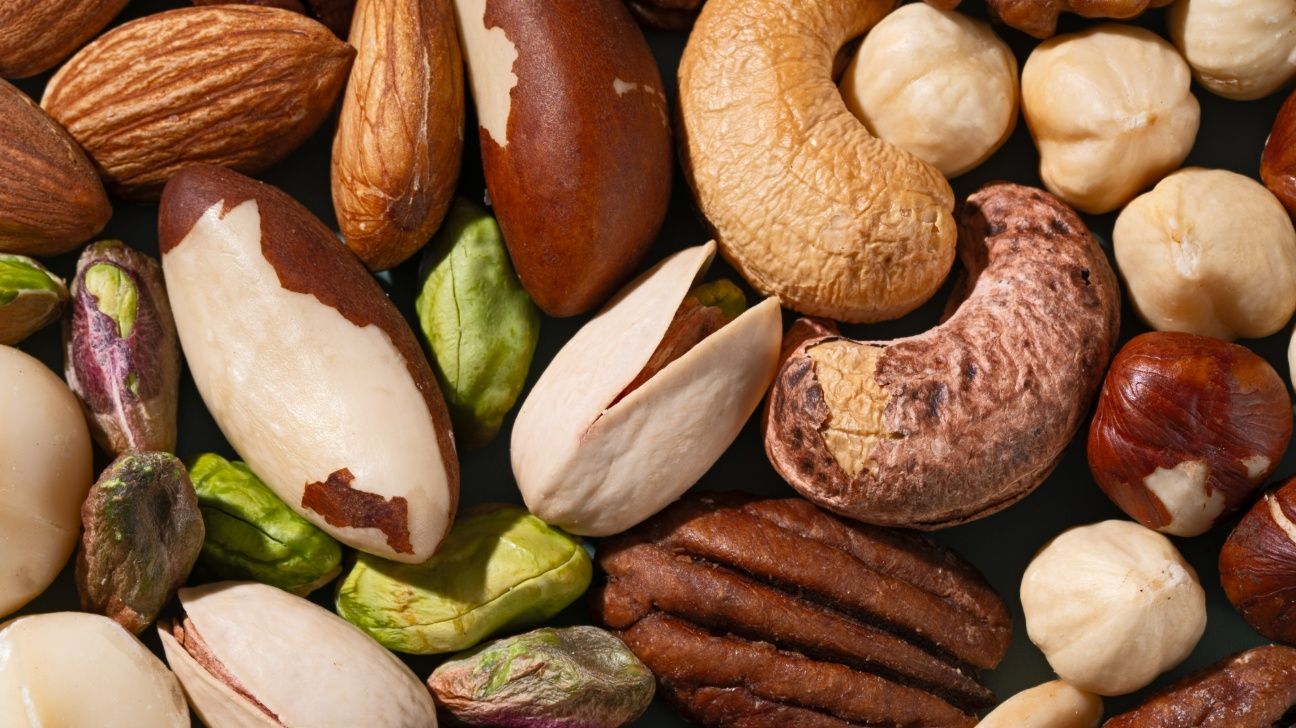
Eating about a handful of nuts each day may be associated with a lower risk of developing high blood pressure, according to a new systematic review and meta-analysis
The research, published August 4 in the British Journal of Nutrition, analyzed eight prospective studies and found that each additional 1-ounce (28-gram) serving of nuts consumed per day was associated with a 20% lower risk of developing hypertension
The findings add to previous research linking nut consumption to a lower risk of cardiovascular disease
However, previous research specifically examining the relationship between nut consumption and high blood pressure has produced mixed results
How nut consumption was linked to hypertension risk
The analysis included eight prospective studies involving 143,380 adults ages 18 to 87. During follow-up, 20,665 cases of hypertension were identified
When researchers compared people who consumed the most nuts with those who consumed the least, higher nut intake was associated with a 16% lower risk of developing hypertension
Each additional 28 grams of nuts consumed per day was associated with a 20% lower risk
Researchers also looked at how the risk of hypertension changed at different levels of nut consumption. Compared with eating no nuts, consuming about 30 grams per day was associated with a 26% lower risk
Researchers did not find evidence of further reductions in risk at higher intake levels
“Because this was based on observational studies, we cannot say that eating nuts directly caused the lower risk,” Michelle Routhenstein, Preventive Cardiology Dietitian at Entirely Nourished, who wasn’t involved in the study, told Healthline
“That does not mean nuts prevent or treat high blood pressure on their own. Rather, they can be a really helpful part of an overall heart-healthy eating pattern,” she said
How can nuts affect blood pressure?
Nuts contain a variety of nutrients that may support cardiovascular health, including:
- fiber
- unsaturated fats
- magnesium and potassium
- vitamins E, K, C, and several B vitamins
- plant-based protein
Research suggests that these nutrients may help support healthy blood pressure
Magnesium, for example, can act as a natural calcium channel blocker, helping blood vessels relax and widen through a process known as vasodilation. This may help lower blood pressure
Potassium may also help manage blood pressure by reducing the effects of sodium and easing tension in blood vessel walls
Kristin Kirkpatrick, President of KAK, Consulting, LLC, and a dietitian at the Cleveland Clinic Department of Wellness & Preventive Medicine in Cleveland, Ohio, who wasn’t involved in the study, told Healthline that all nuts can benefit cardiometabolic health
“However, nuts such as walnuts, peanuts, and almonds have been shown to have higher amounts of L-arginine, which acts as a vasodilator to help open blood vessels and could have a positive impact on blood pressure,” she said
Routhenstein added that, based on this study, there is no single “best” nut to eat for better health
However, she also noted that pistachios are worth highlighting because research suggests they may modestly lower systolic blood pressure, potentially due to their potassium, unsaturated fats, fiber, and antioxidant compounds
What to look for when choosing nuts to help lower hypertension risk
Both Routhenstein and Kirkpatrick agreed that how nuts are prepared may be more important than the specific type you choose
Unsalted or lightly salted nuts can help limit sodium intake, which is important for managing blood pressure
“I would also be mindful of heavily sugar-coated or candy-coated nuts and highly processed snack mixes that combine nuts with pretzels, crackers, or other high sodium ingredients,” Routhenstein said
“Portion size is also important because nuts are calorie-dense. Aim for about 1 ounce, or a small handful, at a time rather than eating multiple handfuls throughout the day.”
She also told Healthline that the goal of a heart-healthy diet is not to focus on one “superfood,” but on an overall eating pattern that supports cardiovascular health and provides a variety of nutrients
