



As a fitness journalist: my main mission is passing on information that can help people feel better. To do this, I’ve interviewed countless health experts, and the same phrase keeps cropping up as a culprit for declining health in the UK: ultra-processed food, or UPF
Generally speaking, food and fear make for poor bedfellows. But the evidence against UPFs continues to stack up. “One of the key reasons why our modern food environment is driving accelerated ageing is that, through UPFs, a lot of us are bombarding our bodies with more calories than they need,” says Dr David Cox, a neuroscientist and author of The Age Code
“Our body composition ends up changing. Between the ages of 20 and 40, many people are losing muscle and replacing it with this internal fat called visceral fat, which is really inflammatory.”
As a signifier of UPF’s significance, the American Journal of Public Health recently published a special issue on the public health risks of ultra-processed foods. It also created a new section on its website dedicated to the topic
Here’s what the experts told me about the latest research available and the terrifying health risks that UPFs pose
What is UPF and why are we eating so much of it?
The most accessible definition I’ve encountered for ultra-processed food came from a discussion with Professor Chris Van Tulleken, author of Ultra-Processed People
“If the packaging has an ingredient that you don’t typically find in a domestic kitchen, like an emulsifier or a flavouring, then it’s very likely to be an ultra-processed food,” he explained
In both the UK and the US, these items now account for more than half of the calories consumed by adults. In children, this figure is closer to two-thirds, reveals Dr Ashley Gearhardt, a professor of psychology and chair of the clinical science area at the University of Michigan
But why are we eating it in such large volumes? According to both Dr Gearhardt and Dr Cox, it comes down to what the former calls “the bliss point”. This is a precise combination of refined carbohydrates (often sugar), fat and salt – rarely found in nature – that keeps us wanting more without ever feeling entirely satisfied
Evolutionarily, calories are hard to come by and synonymous with survival. When we encounter this calorie-dense complex, the brain is hard-wired to make the most of it and eat as much as possible, Dr Cox says. But, through 21st-century food systems, this type of food is no longer in short supply
“This didn’t happen by accident,” adds Dr Gearhardt, who also contributes to Fed UP! – a collection of scientists aiming to educate people about UPFs
“Food companies have spent decades designing ultra-processed products that are intensely rewarding to eat while providing relatively little nourishment. They’ve made these products inexpensive, convenient, heavily marketed and ubiquitous
“The problem isn’t that people suddenly lost all willpower. We’ve built a food environment where these engineered ultra-processed products increasingly dominate, replacing minimally processed foods in the diet.”

Why is eating more UPFs a bad thing?
In the grand scheme of things, UPFs haven’t been around for very long, only starting to dominate supermarket shelves in recent decades. This is part of the problem
“Our bodies evolved to be incredibly reactive,” he explains. “That’s what kept us alive for millions of years.”
But they haven’t yet evolved to deal with the synthetic substances found in UPF, such as preservatives and sweeteners
“We’re seeing more and more epidemiological studies showing that immune cells in the gut react to the presence of these things as foreign substances, triggering this chronic inflammation over time,” Dr Cox says
This leaves the immune system with an untenable to-do list, leading to a permanent state of high alert, Dr Cox adds. And, as anyone unexpectedly lumped with extra work commitments can relate to, its performance in its primary role suffers as a result
“It’s supposed to be doing things like screening for early-stage cancers,” Dr Cox says. “That is one theory as to why people under the age of 50 are developing them more frequently.”
Read more:Do this for three months and transform your fitness for years

What does the research say?
“Studies consistently find that people who consume more ultra-processed foods have poorer health outcomes across multiple large populations and research designs,” says Dr Gearhardt
“Two studies from the American Journal of Public Health’s recentspecial section on ultraprocessed foods and public health found that higher consumption of ultra-processed food is consistently associated with increased risk ofmetabolic syndrome, diabetes, cancer, higher BMI, blood sugar and blood pressure, as well as an increased risk ofdementia and cognitive impairment in older adults.”
The Lancet, one of the world’s best-respected medical journals, also released a three-paper series last year on the increase in UPF globally and the association with many non-communicable diseases
A resulting editorial, titled “Ultra-processed Foods: Time to Put Health Before Profit”, started with a stark and unambiguous message: “The rise of UPFs in human diets is damaging public health, fuelling chronic diseases worldwide and deepening health inequalities.”
Read more:With two-thirds of Brits overweight, the NHS exercise guidelines are fine – the problem might be us
What can be done to reduce UPF consumption?
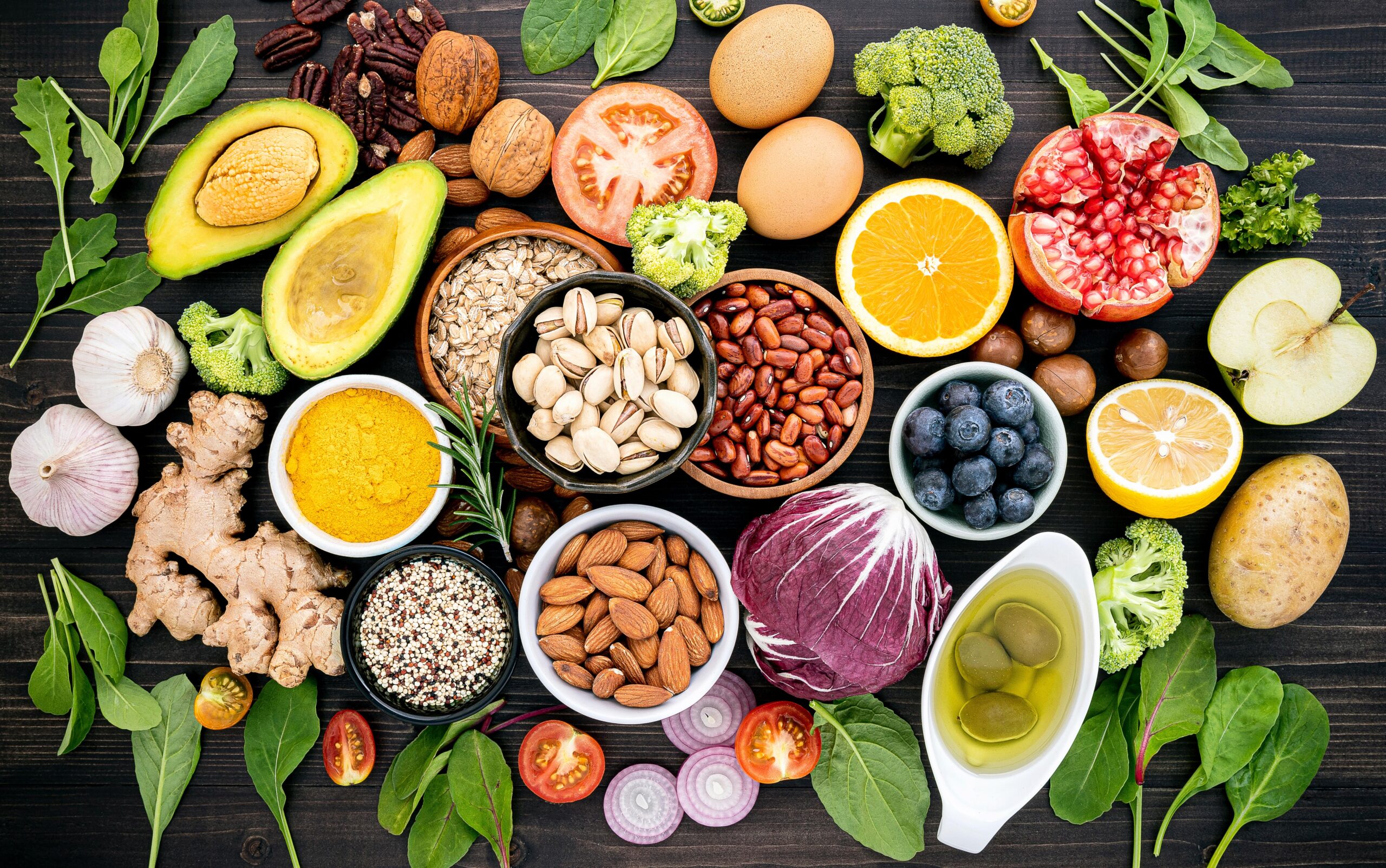
That same report concludes that wider societal change is needed to combat the problems UPFs pose – measures far beyond simply telling people to eat less of them. I can advise you to prioritise whole foods in your diet, but you are already fighting a food system that makes it incredibly hard to do so
“The UPF industry is emblematic of a food system that is increasingly controlled by transnational corporations that prioritise corporate profit ahead of public health,” the article states. “…A comprehensive, government-led approach is needed to reverse the rise in UPF consumption.”
It recommends adding ultra-processed markers to relevant foods, introducing mandatory front-of-pack warning labels, banning the marketing of UPF to children, placing restrictions on UPF within public institutions and bringing in higher taxes on these products
“We can also invest in making minimally processed foods the easy, affordable and convenient choice,” adds Dr Gearhardt. “This is one of those rare public health problems where the solutions are already on the table.”
Read more:Do these three things each week to be fitter than most Brits
Not all UPFs are created equal
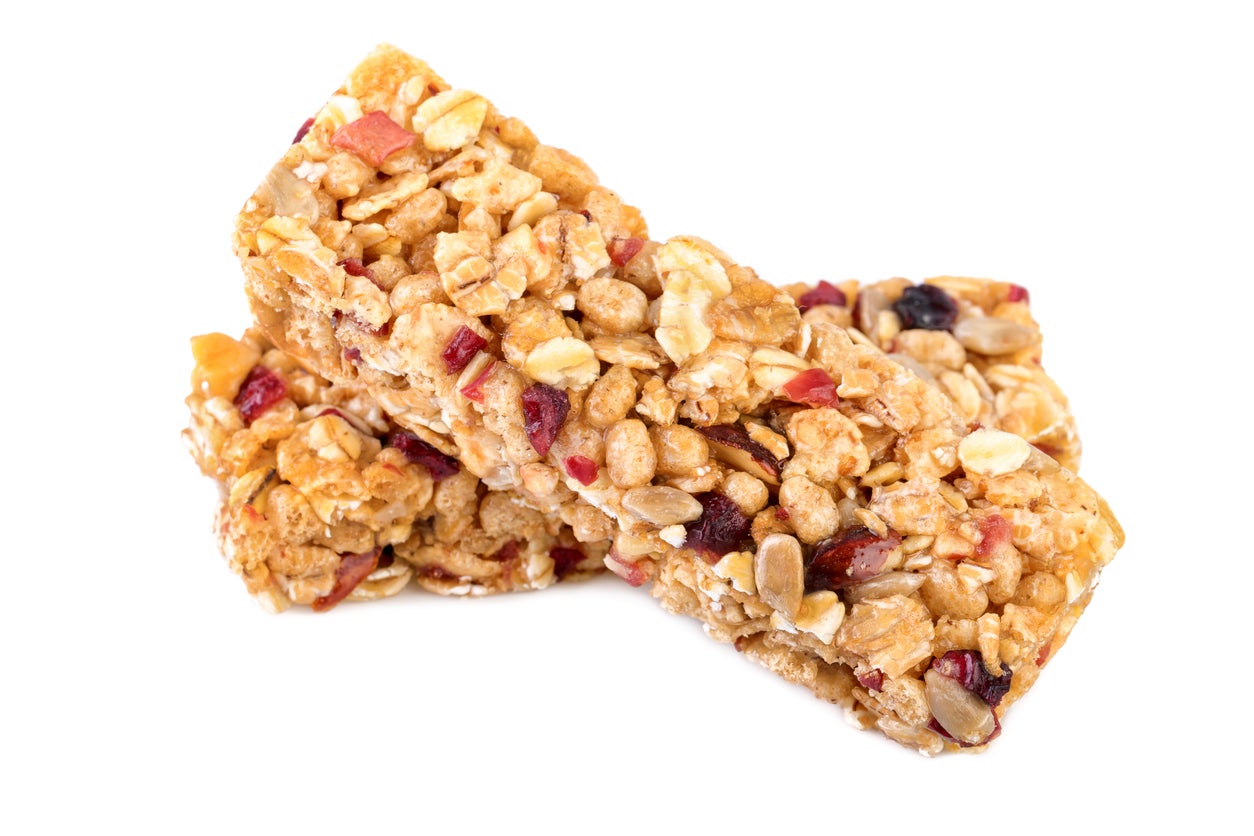
Ultra-processed foods exist on a spectrum – they will have varying impacts on your health depending on where they sit. Dr Gearhardt acknowledges this, but also urges people not to lose sight of the overarching problems at hand
“The ultra-processed products that dominate our food environment and are the core business of major food companies are: sweetened beverages, salty snacks, packaged baked goods, processed meats and many fast-food items,” she says
“These products are the most consistently associated with poor health outcomes and are the best place to focus if you’re trying to reduce your intake. As a general rule of thumb, foods that still look like food and contain simple, recognisable ingredients you might actually keep in your own kitchen are usually a better choice.”
Read more:Walking experts reveal the number of daily steps you need to boost health – and it’s not 10,000
A last word of warning
Of course some people remain resolute that UPFs are not a problem. I asked Dr Cox how he would respond to that
“There is one really powerful example from my time in Kuwait,” he says. Due to climate change, year-round temperatures have become too hot to grow many foods, leading to more importing of food and increasing UPF consumption
“Because of this, the country now has some of the highest rates of accelerated ageing in the world,” Dr Cox continues. “The ill health there is quite shocking; there are accelerated rates of different chronic diseases. A quarter of all adults have type 2 diabetes. And this is all happening younger and younger
“Now, in the UK, we’re at a point where the average British person is getting 60 per cent of their calories from UPFs. We’re already seeing the impact of this on our healthcare system
“We’re seeing rising rates of so many diseases – that is the future we’re looking at if we don’t do something about it.”
Read more:This is what happened when I took the RAF fitness test
