


Northeast Public Health Collaborative opposes Trump’s vaccine changes
Tue, August 18, 2026 at 2:05 PM
UpdatedTue, August 18, 2026 at 2:15 PM
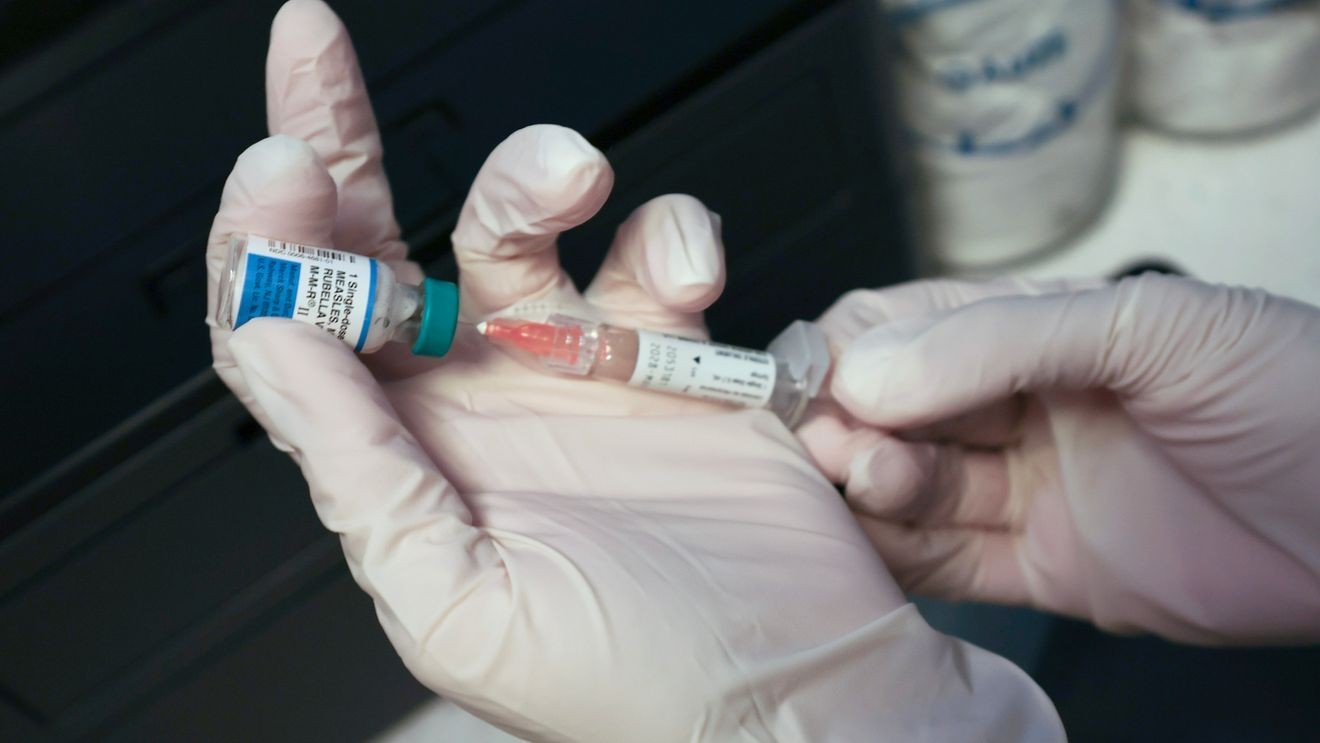
CORAL GABLES, FLORIDA – AUGUST 13: A Medical Assistant draws a measles, mumps and rubella, vaccination to be administered to a young person at the pediatric office of Dr. Gary M. Kramer on August 13, 2026, in Coral Gables, Florida. President Donald Trump signed an executive order on Monday to overhaul childhood vaccination policy. (Photo by Joe Raedle/Getty Images)
(WRGB) —President Trump is getting more pushback on his executive order to overhaul childhood immunizations
Back on August 10, Trump announced an executive order that, according to a reported draft, would divide vaccines into three groups:
- Recommended for all children
- Recommended for high-risk groups
- Shared decision-making between parents and a child’s doctor.
He also talked about splitting up the measles, mumps and rubella vaccines, which are typically given together
The Northeast Public Health Collaborative released a statement on Tuesday against Trump’s idea:
“Undermining confidence in the measles, mumps, and rubella (MMR) vaccine, used for over five decades, during the largest measles outbreak in decades will lead to additional measles cases and, potentially, deaths. Immunizations save lives, and parents should be able to trust that the health recommendations they receive are based on science,” they said in a statement.
Earlier this year, the CDC recommended a childhood immunization schedule for 11 diseases. That’s fewer than the 18 childhood diseases covered by the American Academy of Pediatrics’ immunization schedule
The Trump administration has cited “best practices” among peer countries, along with religious liberty and parental authority in its approach. The president has also pressed HHS Secretary Robert F. Kennedy Jr. to make more changes to the childhood immunization schedule
However, some of the president’s political advisors urge caution, warning the new vaccine policies could prove unpopular for voters as the 2026 midterms approach
