


Summers in UAE: The biggest nutrition mistakes dog owners make
UAE summers are long and can get overwhelming, and just as people adjust their routines during the hotter months, dogs need extra care too
- PUBLISHED:Wed 19 Aug 2026, 12:41 PM
- By:
- Sugra Khanwala
Add as a preferred source on Google
For dogs in the UAE, summer is more than just an uncomfortable few months. The heat can have a real impact on their health, appetite, hydration and daily routine
UAE summers are long and can get overwhelming, and just as people adjust their routines during the hotter months, dogs need extra care too
Changes in activity, feeding times and hydration can all affect their health
Dr Zeiad Alhawat of Zabeel Pets said veterinary clinics and animal welfare organisations across the Gulf have reported a noticeable rise in heat-related incidents, including dehydration and heatstroke, during peak summer months
Dr Moalla Ahmad, veterinary surgeon at Vets for Pets, has also noticed a seasonal rise in heat-related problems
“In veterinary practice, we see a clear seasonal increase in cases associated with heat stress, dehydration and gastrointestinal problems during the hotter months.”
Which dogs are most vulnerable?
Brachycephalic breeds such as pugs, French bulldogs, English bulldogs and boxers are particularly vulnerable as they struggle to regulate heat efficiently through panting
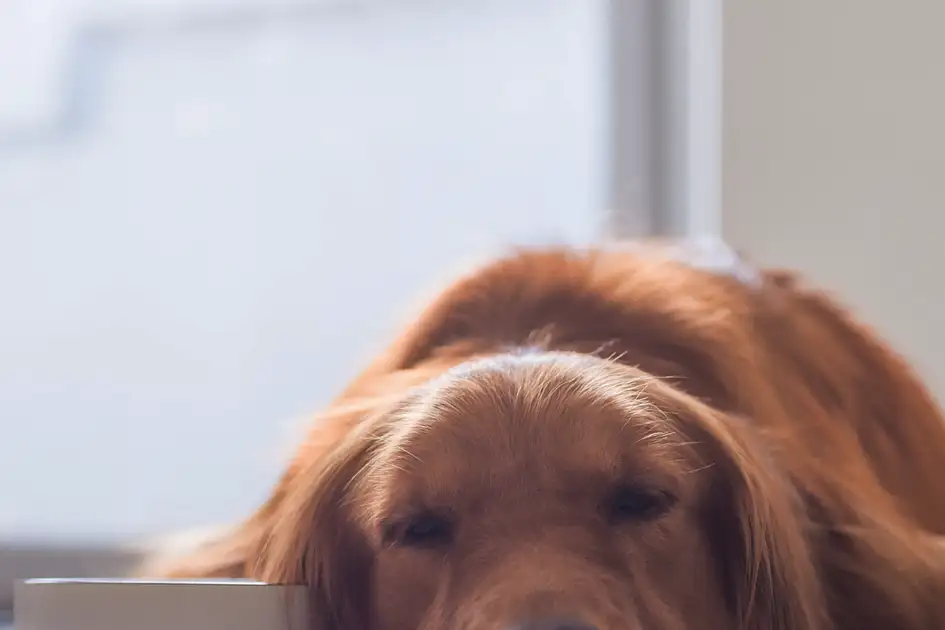
Thick-coated breeds, including huskies, malamutes, samoyeds and golden retrievers, are also more susceptible to heat stress
Puppies, senior dogs, over<a href="https://healthylife7.com/why-losing-weight-could-be-the-wrong-goal-for-your-health-after-65/” title=”Why losing weight could be the wrong goal for your health after 65″>weight pets and those with heart, respiratory or kidney conditions need additional care
For these dogs, maintaining hydration, limiting heat exposure and carefully managing food and exercise are especially important
Should dogs eat less in summer?
Not necessarily, but their food intake may need to reflect their activity level
Dogs that spend much of the summer indoors and exercise less may need fewer calories, while working or highly active dogs may still require the same, or even greater, energy intake
“The key is to match food intake with actual activity levels rather than following the same feeding routine year-round,” said Dr Alhawat
Dog trainer Phoebe Peppiatt, founder of Double Woof Dog Training, said owners may turn to treats and chews when their dogs are spending more time indoors
“A handful of healthy treats such as dehydrated protein or even cucumber should not cause concern for most dogs,” she said, provided they are factored into the dog’s overall calorie intake
Don’t ignore a change in appetite
Some dogs eat less during the hottest part of the day. Offering meals in the cooler morning or evening hours can help
But owners should look beyond the weather if a dog suddenly refuses food
“If your dog suddenly starts resisting food they usually love, think about what other factors could be causing the change,” Peppiatt said, noting that feeding stations should be kept away from direct sunlight and busy areas where dogs may feel uncomfortable
Peppiatt recalls a client whose dog stopped eating breakfast during summer. The problem turned out not to be the food but the environment: the family’s toddler, normally away at the park during breakfast, was suddenly spending more time at home because of the heat
Moving the dog’s feeding station to a quieter room solved the problem
One important point to note is that persistent appetite loss, especially when accompanied by vomiting, diarrhoea, lethargy or weight loss, should not be dismissed as a normal response to the summer heat
Hydration is key
Heat increases water loss, primarily through panting, meaning dogs may need significantly more water during summer
A general guideline is around 50–60ml of water per kilogram of body weight per day, although requirements vary depending on temperature, activity, diet and health
Dr Alhawat recommends treating hydration as a fundamental part of nutritional care. Dogs should have constant access to fresh, cool water, with bowls cleaned regularly and water changed frequently
Early signs of dehydration can include tacky or dry gums, increased thirst, reduced energy, darker urine and reduced urination
Watch what’s left in the bowl
Summer makes food hygiene particularly important
Wet food should not be left sitting out for prolonged periods in hot or humid conditions, as bacteria can multiply quickly. Dry food should also be stored away from heat and humidity
Owners should also avoid sharing barbecue leftovers, fatty or heavily seasoned meats, onions, garlic, grapes, raisins, cooked bones and fruit pits with dogs
“Good food hygiene and avoiding inappropriate human foods are particularly important during the summer,” Dr Ahmad said
Supplements are generally unnecessary for healthy dogs eating a complete and balanced diet
Electrolytes or other supplements should only be given when medically appropriate and preferably under veterinary guidance
Don’t mistake boredom for hunger
With outdoor activity limited during the hottest hours, some dogs may become restless, bark, chew or demand attention — behaviours that owners can mistake for hunger
Peppiatt recommends using the cooler hours for walks and replacing some outdoor activity with safe indoor enrichment, such as training games, scent work or hide-and-seek with small amounts of healthy treats
Ultimately, summer care is about balance: appropriate food, constant hydration, safe exercise, mental stimulation and plenty of rest
And if appetite loss persists, or is accompanied by vomiting, diarrhoea, lethargy, weakness, excessive panting or changes in drinking and urination, owners should seek veterinary advice rather than assuming it is simply the heat
