


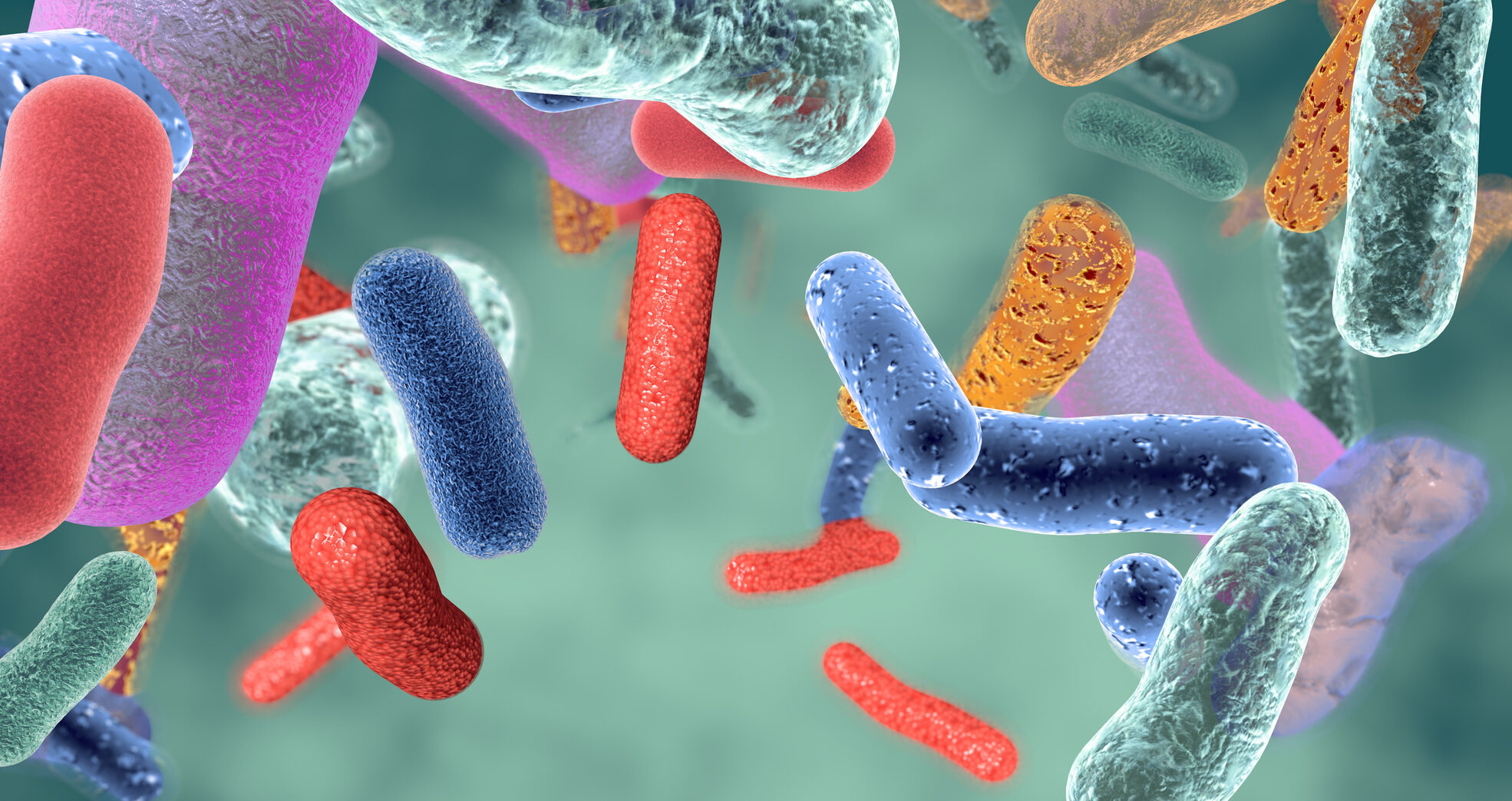
Researchers in Sweden have dis<a href="https://healthylife7.com/lilly-has-your-life-covered/” title=”Lilly has your life covered”>covered that, with the right diet, gut bacteria can produce molecules that reduce the risk of cardiovascular and metabolic diseases. In a study published inCell, the team uncovered a previously unknown link between diet, the human microbiome, and cardiometabolic health
“Our results show that gut bacteria can convert components in food into biologically active molecules that influence important bodily functions,” said Andrei L. Kleschyov, senior researcher at Karolinska Institutet and first author of the study
Kleschyov and colleagues showed that certain gut bacteria can convert nitrate and iron obtained from our diet into dinitrosyl iron complexes (DNICs), which are then absorbed and transported through various organs throughout the body, primarily the liver and kidneys. In particular, the bacteria produced DNICs using nitrate found in vegetables like beetroot and spinach, and non-heme iron found in foods including beans, whole grains, and green vegetables.
DNICs are naturally occurring molecules that act as a transport vehicle for nitric oxide, a volatile gas that plays an important role in human health but breaks down quickly unless it is bound to a more stable form of storage. Previous work by Kleschyov’s team established that DNICs can serve this critical function. Meanwhile, other studies have linked DNICs to lower blood pressure, protection against oxidative stress, modulation of inflammation, and reduced tissue damage during a heart attack.
Experiments in mice and human tissue samples identified the presence of DNICs in various tissues. However, these molecules were completely absent in germ-free mice, suggesting that the gut microbiota may be crucial for their formation
At the same time, increasing DNIC levels improved several health markers in mouse models of both cardiovascular and metabolic disease. The researchers achieved similar effects by either introducing dietary supplements of nitrate and iron or directly administering synthetically produced DNICs
“Among other things, we observed lower blood pressure and improved vascular function, better blood sugar control, and reduced fat accumulation in the liver,” said Mattias Carlström, PhD, professor of cardiorenal physiology at Karolinska Institutet. “The results help to explain why a diet rich in vegetables, which contain both nitrate and iron, is linked to a lower risk of several diseases.”
While these findings point to a potential new link between diet, gut microbes, and human health, the process has yet to be studied in humans. Next, the scientists plan to develop methods for measuring DNIC levels in people and investigate how these molecules are produced and transported through the body, as well as their specific physiological effects. These studies could ultimately reveal whether changes to diet or the gut microbiota can alter DNIC levels and, in turn, help prevent cardiometabolic disease.
News & FeaturesCardiovascular diseasesDietary nutritionMetabolic disordersMicrobiome
