


If you are a regular reader of this column, chances are you already do what you can to load your shopping trolley with healthy food
Most of us are guilty of a quick trolley dash, buying the regular foods we always do and assuming we are buying good and healthy food, but sometimes the labels can be deceiving and more than a little confusing. From cereals to yoghurts, crackers and dips, all may not be quite as it seems for health savvy consumers
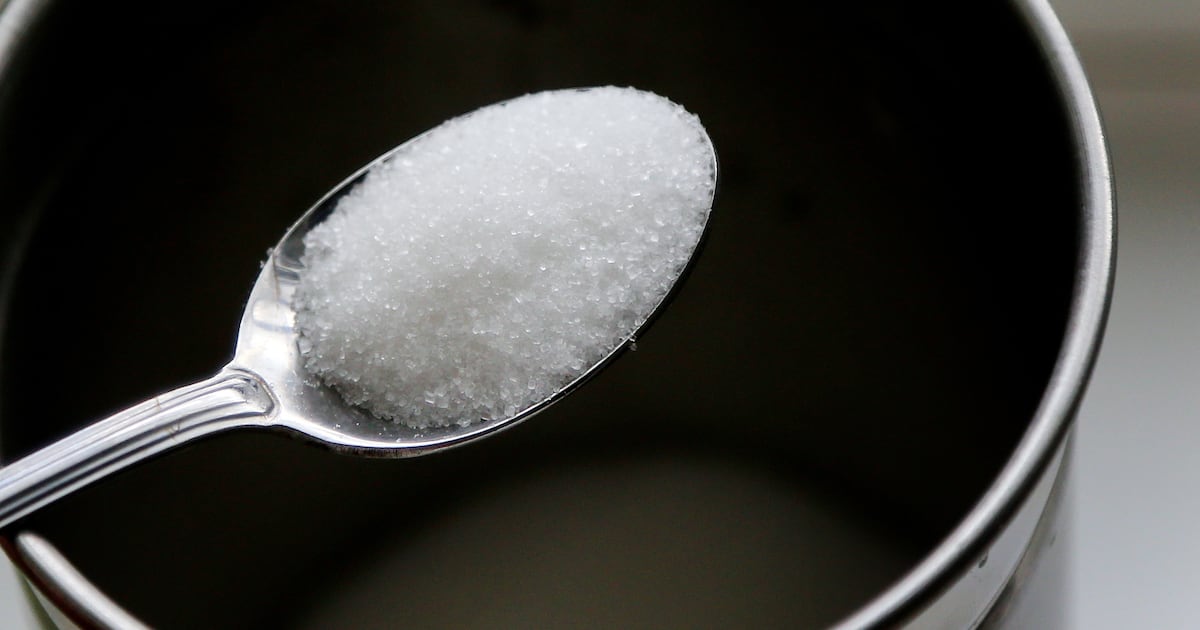
Sugar is one of the demons that jeopardises our health. It’s also a very cheap ingredient that it is added in large quantities to foods we would never associate with such sweetness. I’m always on the lookout for hidden sugars and ideas for lower sugar alternatives that I can recommend to my clients (without the addition of artificial sweeteners, of course!)
You would be amazed when you stop to take a closer look at how much sugar is in the foods we regularly buy, thinking we are choosing a healthy option. Notice the language used – ‘no added sugar’, ‘less sugar’, ‘reduced sugar’, ‘low sugar’
Only one of these terms means that food is low sugar. The rest can still be loaded with sugar. ‘No added sugar’ can be packed with dried fruit, honey, dates and natural sugars – its all still sugar and it’s generally too much
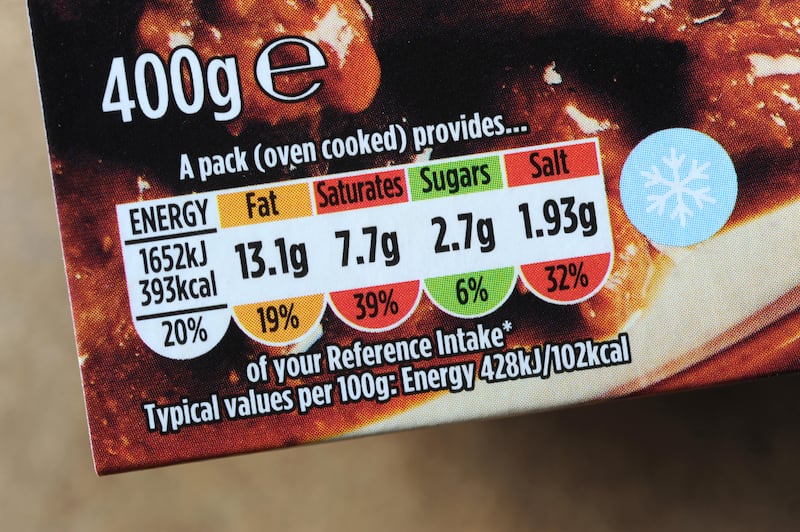
‘Less sugar’ and ‘reduced sugar’ are comparisons, not nutritional claims. If your pack says ‘low sugar’, then legally that food must contain less than 5g sugar per 100g. That’s the magic number to look out for
Of course, the big draw on food packaging in recent years has been the term ‘high in protein’, but I have seen breakfast cereals with this claim on the label containing a whopping 21g sugar per 100g – that’s just on the brink of being classed as a high sugar food
‘Less sugar’ and ‘reduced sugar’ are comparisons, not nutritional claims
Low calorie skinny bars, low fat biscuits (you know, the orange and chocolate ones that used to be recommended by diet clubs – chocolate on top, sponge on the bottom, and a jammy orangey bit in the middle?!) are some of the most misleading items on the go
Check your labels and you’ll see these products can contain around 40g-50g sugar per 100g. While you’re there, check out the ingredients and you’ll see how far up sugar is on the list. It might be called something else like glucose syrup, fructose, dextrose or concentrated orange juice, but it’s sugar by any other name
So what’s the big deal?
Sugar is driving our health crisis. It is making us fat, driving disease and even having an impact on our mental health
For years we have been fat shaming the wrong ingredient. Fat is an essential ingredient that provides us with essential omega 3 and omega 6, fat soluble vitamins A, D, E and K. It adds flavour to food and helps us feel satiated
When we took fat out, we went crazy for carbs and over the top on sugar. The diet industry has seduced us with ‘skinny’ foods, ‘low fat’ offerings and now we are buying into the protein game. Read the label and it’s not hard to see that many (most?!) of these foods are ultra processed foods, dressed up as healthy alternatives
Here are 5 better options to swap in your shop:
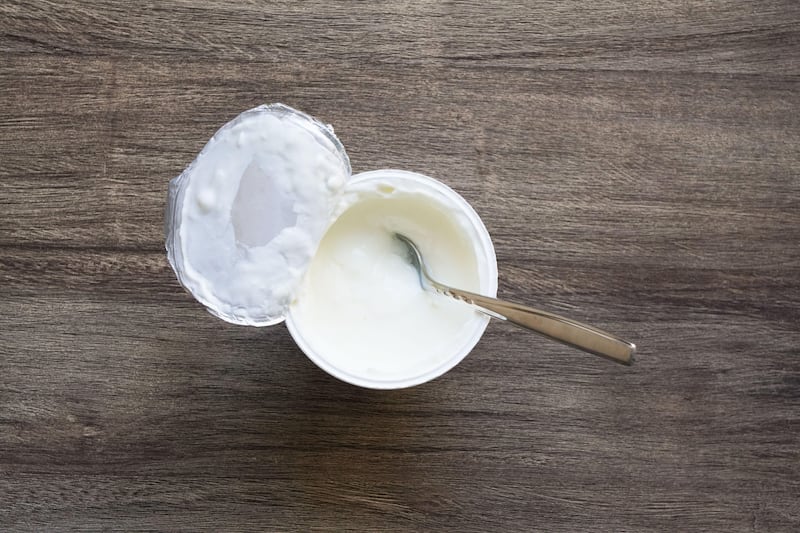
1. Swap diet yogurts with claims like low fat and high protein to natural or Greek yoghurt
2. Swap ‘no added sugar’ muesli to ‘low sugar’ granola
3.Swap skinny bars to nut or oat bars, or get into the habit of making your own (I’ve got lots of recipes for you on www.vital-nutrition.co.uk)
(Alamy Stock Photo)
4.Swap sweet chilli sauce to siracha
5.Swap pasta sauces to tinned tomatoes or passata (you know this one, right?!)
