


stacker-Nutrition & Diet
By Stacker
PublishedAugust 20, 202611:49 AM
Over the last few years, people have grown more careful about what they put into their bodies
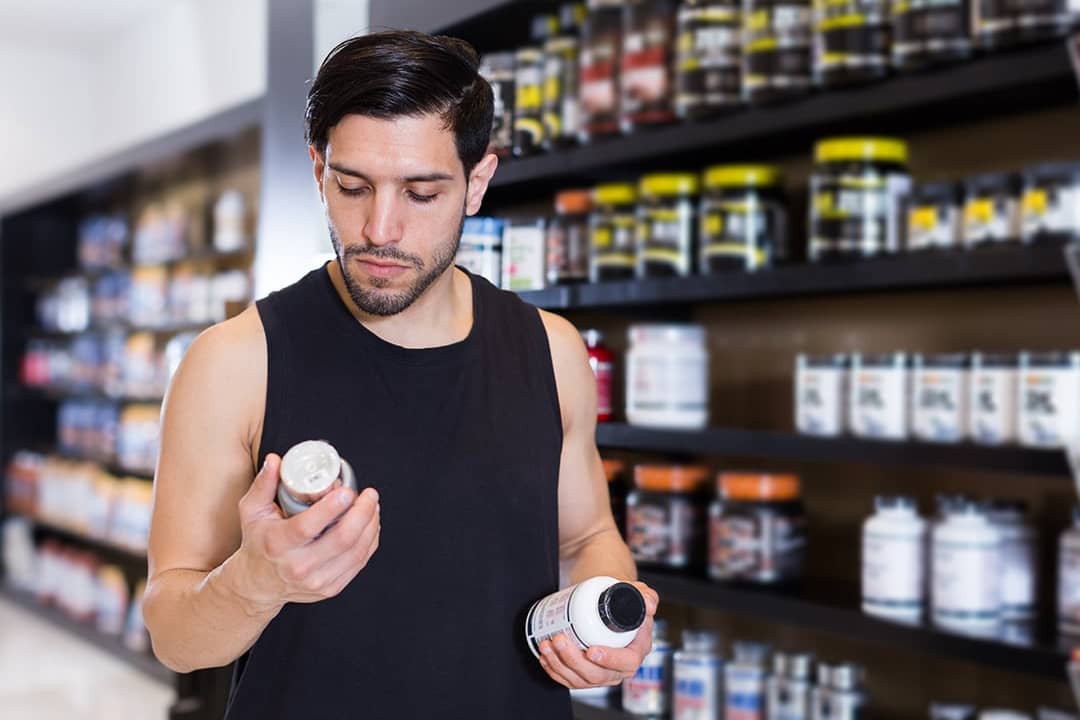
Before a consumable product goes into the cart, many shoppers examine the ingredient panel to see what a brand is willing to show: A March 2026 survey by the International Food Information Council found that 79% of respondents check the label when grocery shopping at least sometimes
For some consumers, what appears on the label may influence whether the sale happens, and a confusing or hidden label may send them looking elsewhere. Trust is a key factor that drives decision-making. It is something a brand can earn by giving clear answers about where ingredients come from and whether an outside lab has checked the batch
This demand for proof has drawn attention from companies throughout sports nutrition and wellness. NutraBio shares a few reasons that explain why shoppers are asking deeper questions
Why Consumers Are Asking More Questions
Store shelves once carried a certain authority, with hoppers assuming a wellness product had cleared enough checks to deserve its place there. But easy access to health information has weakened that old confidence, especially now that a claim on a bottle can be compared with expert commentary before a person decides to buy
And social media has amplified this behavior, with dietitians and fitness creators turning label breakdowns into public lessons. IFIC president Wendy Reinhardt Kapsak said Americans are actively engaging with label information, and her point helps explain why shoppers want more than a clean phrase on the front of a package
Research also suggests that common label claims are often taken as promises about disease. So a buyer who sees how easily wording can be misunderstood has more reason to look for evidence before trust ever forms
What People Look For on Supplement Labels
Understanding the information on a supplement label can help consumers evaluate a product before buying it. Dinar Sayani, an internal medicine physician at Summit Medical Group, told Vogue that shoppers should study the fact label first, since the ingredient list spells out exactly what a supplement is made of
Scanning that panel is where the habit starts, and most people move past the bold front promises to check the serving size and see how many capsules or scoops make one dose. Sayani also warns shoppers to be wary of any label that promises to “cure” or “prevent” disease, since real supplements cannot make those claims under U.S. law
Sayani’s advice carries down to the “other ingredients” line, the short list beneath the active nutrients that holds the binders and fillers added during manufacturing. Healthline’s guide to supplement labels flags that section as the spot where additives hide, steering shoppers away from any product carrying a long list of them
Near the same spot sits the allergen statement, which Healthline notes must disclose major triggers like milk, soy, or wheat, and a certification seal that tells a shopper an outside group checked the product
Why Third-Party Testing Matters
A supplement can reach store shelves without any government approval or testing behind it, since the FDA steps in only after a product is already sold. Because supplements do not undergo FDA premarket approval, third-party certification can provide an additional level of product verification
Former FDA Commissioner Scott Gottlieb tied the concern to product integrity, calling for supplements to hold the ingredients they claim and nothing else. The FDA says companies are responsible for making sure their products are safe and labeled truthfully before sale, and that leaves buyers leaning harder on independent review
According to the NSCA’s review of third-party certification, one round of testing checks identity, making sure the ingredient named on the bottle is really there. Another looks at purity and contamination, screening for heavy metals, bacteria, or other material that should not be present. Potency follows from there, asking whether the dose matches the claim
Once those checks are complete, a seal on the bottle or a certificate tied to the product tells a shopper that an outside group reviewed the product and verified specific parts of the label. It does not answer every question, but it does tell a shopper that someone outside the brand checked whether the bottle lines up with its claims
Ingredient Sourcing Has Become Part of the Conversation
Ingredient sourcing can provide additional information about how a supplement is produced. Every vitamin or botanical begins as a raw crop or compound, and the soil and climate of that spot shape its quality well before a factory ever handles it
A weak starting crop cannot be corrected down the line, so careful brands trace each material back to the farm that grew it, holding the paper trail that lets them flag a single bad harvest without guessing which bottles carry it
And the paper trail counts for more once an outside group stands behind it, and the National Strength and Conditioning Association notes that raw-ingredient certification puts a supplier’s material through outside testing for identity and purity, confirming it was prepared and handled under strict manufacturing practices
Transparency Is Becoming a Competitive Advantage
Rising awareness has turned openness from an optional selling point into a business requirement that shapes whether shoppers return to a brand. And survey data from the Food Industry Association (FMI) puts numbers behind that pressure, since 76% of shoppers surveyed in 2023 called ingredient and manufacturing transparency important when it comes to food, up from 69% when the group first tracked it in 2018
Steve Markenson of FMI tied that demand to loyalty, noting that shoppers reward brands that provide information with trust and are more willing to move from one brand to another when the facts are easier to find. The survey also found that consumers expect product information to be available both in stores and online
What the Future of Supplement Shopping Looks Like
The future of supplement shopping is moving closer to the product record behind each bottle. Michelle Anstey, regulatory manager at the National Sanitation Foundation, said the food industry must respond to changing shopper demands by making labels more transparent and reliable as new rules arrive
FMI research shows that more than 80% of shoppers would likely use a QR code, website, app, or other tool to get more product details, whether they buy online or in a store. NielsenIQ’s Sherry Frey has made the same connection between transparency and loyalty, noting that brands willing to share more information stand to gain more trust from shoppers
Evidence is becoming part of the buying process, and everyday buyers are pushing the supplement category toward a higher standard from the outside in
This storywas produced byNutraBioand reviewed and distributed byStacker
Article Topic Follows:stacker-Nutrition & Diet
Jump to comments ↓
