


- News
- Health News
- Chronic stress is more than a mental health problem: How it can raise blood pressure and put your kidneys at risk
Chronic stress is more than a mental health problem: How it can raise blood pressure and put your kidneys at risk
Aadya Jha / TIMESOFINDIA.COM / Aug 22, 2026, 23:25 IST
AAText Size
- Small
- Medium
- Large
1/5
What is the connection between stress, blood pressure and kidney health
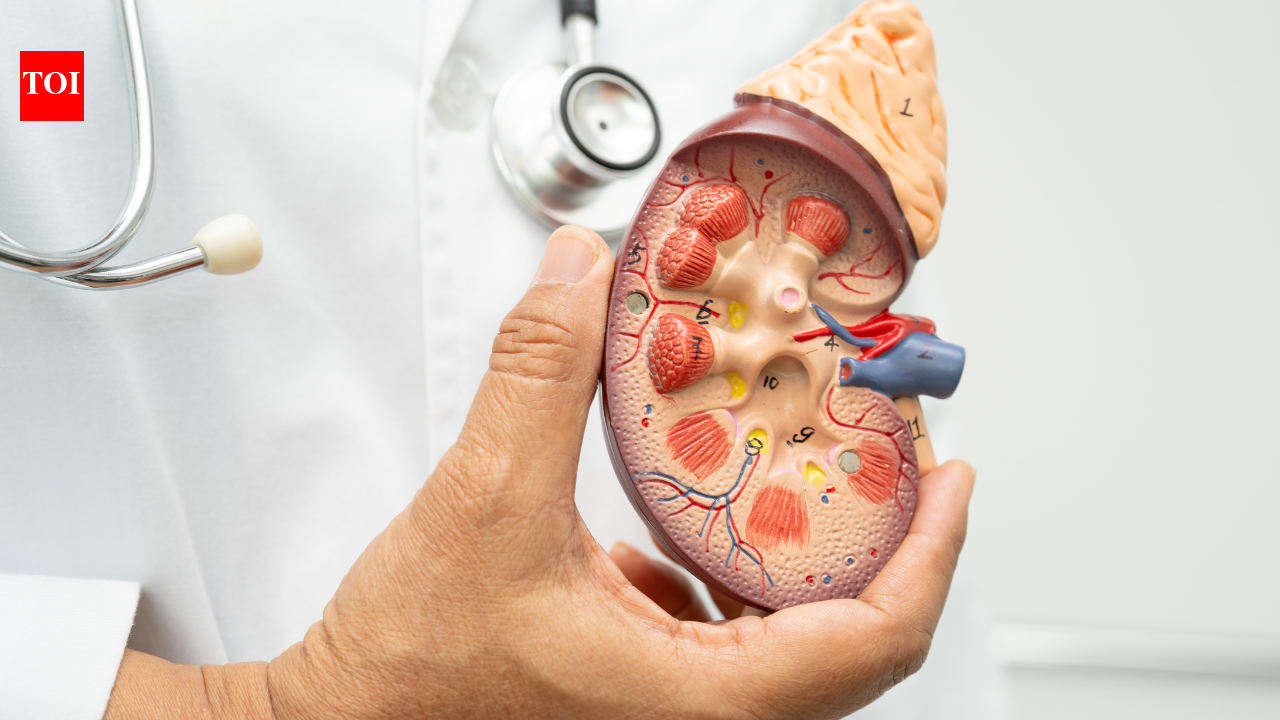
A stressful day can leave the heart racing and the mind restless. But when stress becomes a constant part of life, its effects may extend beyond mood and sleep. Blood pressure can rise, daily habits can change, and over time, the kidneys may face an added burden. The relationship is not as simple as saying stress directly causes kidney disease. Instead, chronic stress can contribute to repeated blood pressure rises and unhealthy habits, while uncontrolled high blood pressure can gradually damage the kidneys.

2/5
When stress keeps the body on alert
The body’s stress response is designed for short-term danger. Stress hormones can increase heart rate and blood pressure while narrowing blood vessels. That response is useful during an emergency. It becomes less helpful when the body repeatedly stays in this alert state.The US National Center for Complementary and Integrative Health explains that long-term stress can contribute to several health problems, while relaxation responses can help lower blood pressure.Research also suggests an association between chronic psychosocial stress and hypertension, although stress is only one part of a much larger picture. A systematic review published in PubMed found that chronic stress was more consistently linked with sustained blood pressure elevation than short-lived stressful events.
3/5
Why high blood pressure matters to the kidneys
The kidneys filter waste and extra fluid from the blood. They also help regulate fluid balance and blood pressure. When blood pressure remains high for years, it can damage the small blood vessels and filtering structures inside the kidneys.The relationship works in both directions. Damaged kidneys may struggle to remove enough salt and fluid, which can push blood pressure higher. That higher pressure can then cause further kidney damage. The US National Institute of Diabetes and Digestive and Kidney Diseases describes this as a harmful cycle.“Chronic stress should not be looked at only as an emotional or mental health issue. When stress continues for a long period, the body remains in a state of heightened alertness, which can contribute to repeated increases in heart rate and blood pressure. If blood pressure stays high over time, it can damage the small blood vessels and filtering structures in the kidneys. There is also a vicious cycle because once the kidneys are damaged, they can have difficulty regulating fluid balance and blood pressure, which may cause blood pressure to rise further. Stress can also affect everyday choices such as sleep, diet, physical activity and adherence to medicines.” Dr Srivatsa A, Consultant Nephrologist & Transplant Physician, Apollo Hospitals, Bengaluru.
4/5
The hidden problem: kidney disease may stay quiet
One reason this connection deserves attention is that both hypertension and early kidney disease can develop without obvious warning signs.Some people may eventually notice swelling around the feet, ankles or face, changes in urination, persistent tiredness, nausea or difficulty concentrating. But waiting for these symptoms is not a safe way to monitor kidney health. NIDDK notes that testing may be the only way to detect kidney disease early.For people with high blood pressure, doctors may use blood tests to assess kidney filtration and urine tests to look for albumin, a protein that can appear in urine when the kidneys are damaged.
5/5
Stress management is also kidney care
Managing stress does not mean eliminating every difficult situation. The practical goal is to reduce the body’s repeated exposure to stress and protect the habits that keep blood pressure under control.Regular physical activity, adequate sleep, less sodium, healthier food choices and prescribed medicines can all matter. Relaxation practices such as slow breathing, meditation or yoga may also help some people manage stress and blood pressure. NIDDK specifically includes stress management, physical activity, healthy eating and blood pressure control among measures that can protect kidney health.People with diabetes, uncontrolled hypertension, obesity, a family history of kidney disease or increasing age need particular attention. Most importantly, stress should not become an explanation for every raised blood pressure reading. Persistent hypertension needs proper medical assessment because genetics, diet, weight, sleep, medicines and several medical conditions can also play a role.
Follow Us On Social Media
