


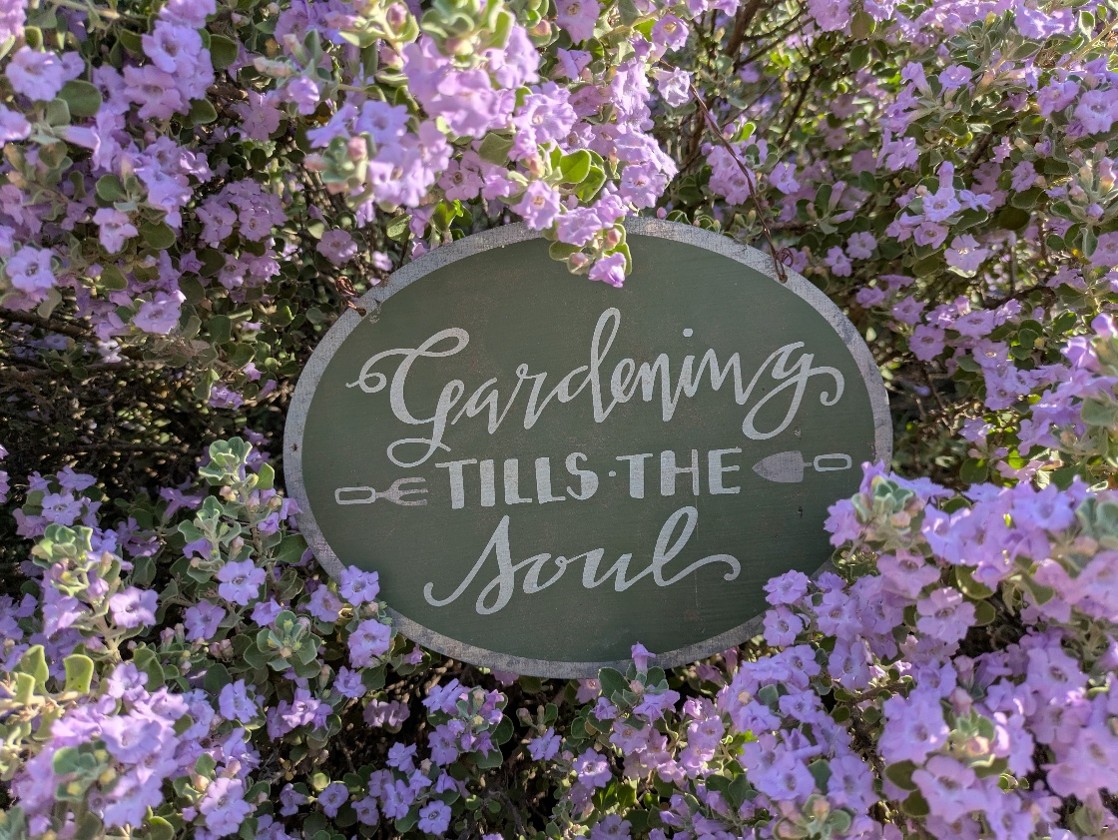
We have all felt the healing power of gardens and that extends to our home landscapes. This year the Permian Basin Master Gardener Summer Symposium, on Aug. 15, focused on how gardening can improve your well-being
The symposium explored the therapeutic benefits of gardening for mental health, introduce the health benefits of some commonly grown herbs and demonstrate how a pollinator patch supports local wildlife and you
Article continues below this ad
Starting in the 1990s, educators, farmers, park rangers, health practitioners and state agencies began to ask questions about the patterns that were emerging within their disciplines. By 2005, several pivotal books, documentaries and studies began to coalesce these patterns into trends. So, what did they notice? They noticed that as a nation, we were spending less time outside and obesity and other health-related problems were increasing
Pivotal books such as Richard Louv’s “Last Child in the Woods,” Michael Pollan’s “The Omnivore’s Dilemma” and E.O. Wilson’s “The Biophilia Hypothesis” suggested that there could be a common cause. Early in the next decade, diverse groups started to share findings and to collaborate on answers. In 2017, The Nature of Americans National Report came out and documented these changes, suggesting that they negatively affect our health, well-being and quality of life. The report found that today’s children are allowed less time for unstructured, creative play outside in natural surroundings, although children who learn and play in nature are physically and mentally healthier, more capable and confident.
Even now, the trend of decreased physical and mental well-being and increased depression continues. In a 2024 presentation at the Texas Master Gardener Conference, Jay Maddock, an American public health expert and the director of the Center for Health and Nature at Houston Methodist Hospital, documented how spending time in nature improves our health and suggested we need to start a trend of turning plants from pretty to necessary
Subsequent studies have shown that people with higher levels of outdoor exposure utilized fewer mental health services for anxiety and depression and that the happiest people spend more time outside. We can all use these benefits of reduced stress, better sleep and improved social connectedness
Article continues below this ad
There is no pill for these benefits, but perhaps one answer is spending 30 minutes a day outside in your garden. Whether you garden for food, wildlife or beauty, you will be immersed in what you see and connected to the neighborhood around you. And these benefits increase with the density of natural elements such as vegetation. There is even a website that can give you a score for how natural or “green” your neighborhood is. See naturequant.com/naturescore
So, consider starting your journey to better health by spending time outside in your garden. Whether you garden for food, wildlife or mental health, you will reap the benefits that go far beyond what you see
If you have questions, call the AgriLife office in Odessa at 498-4071 or in Midland at 686-4700. Additional information and our blog, including access to past articles, are available at westtexasgardening.org. Click on “Re
Article continues below this ad
