


Loading article
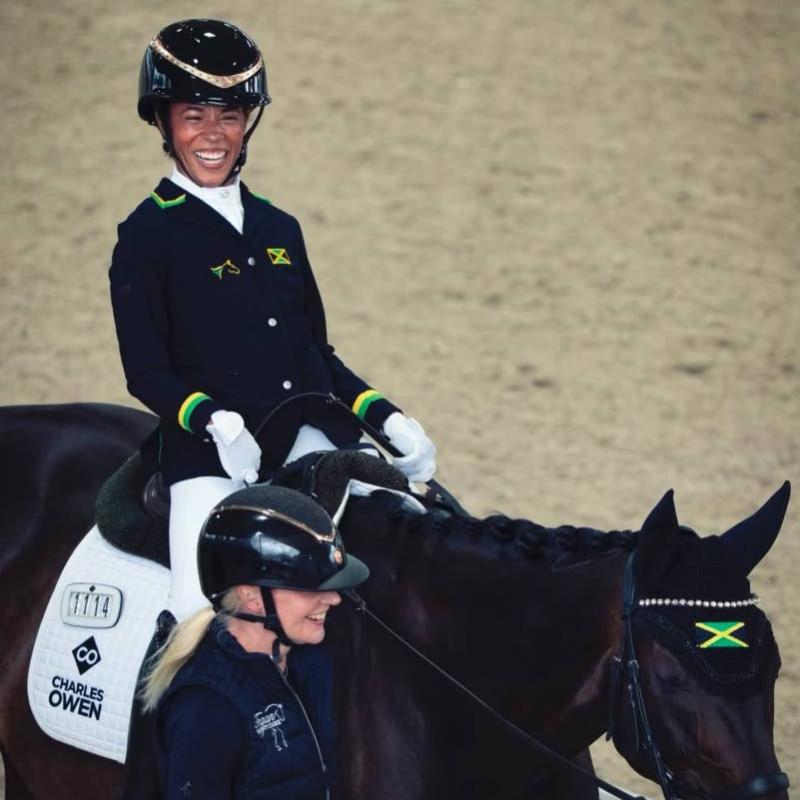
- Vincent-Cooke and Stolen Kiss (Coco), the horse that carried her from novice competition to the FEI World Championships in Aachen, Germany.

Vincent-Cooke poses with her horse, Stolen Kiss, affectionately known as Coco.- <img src="https://healthylife7.com/wp-content/uploads/2026/08/8513068.jpg" alt="Representing the island on the world stage is a career-defining moment for the Jamaican para dressage athlete.”>
Representing the island on the world stage is a career-defining moment for the Jamaican para dressage athlete. 
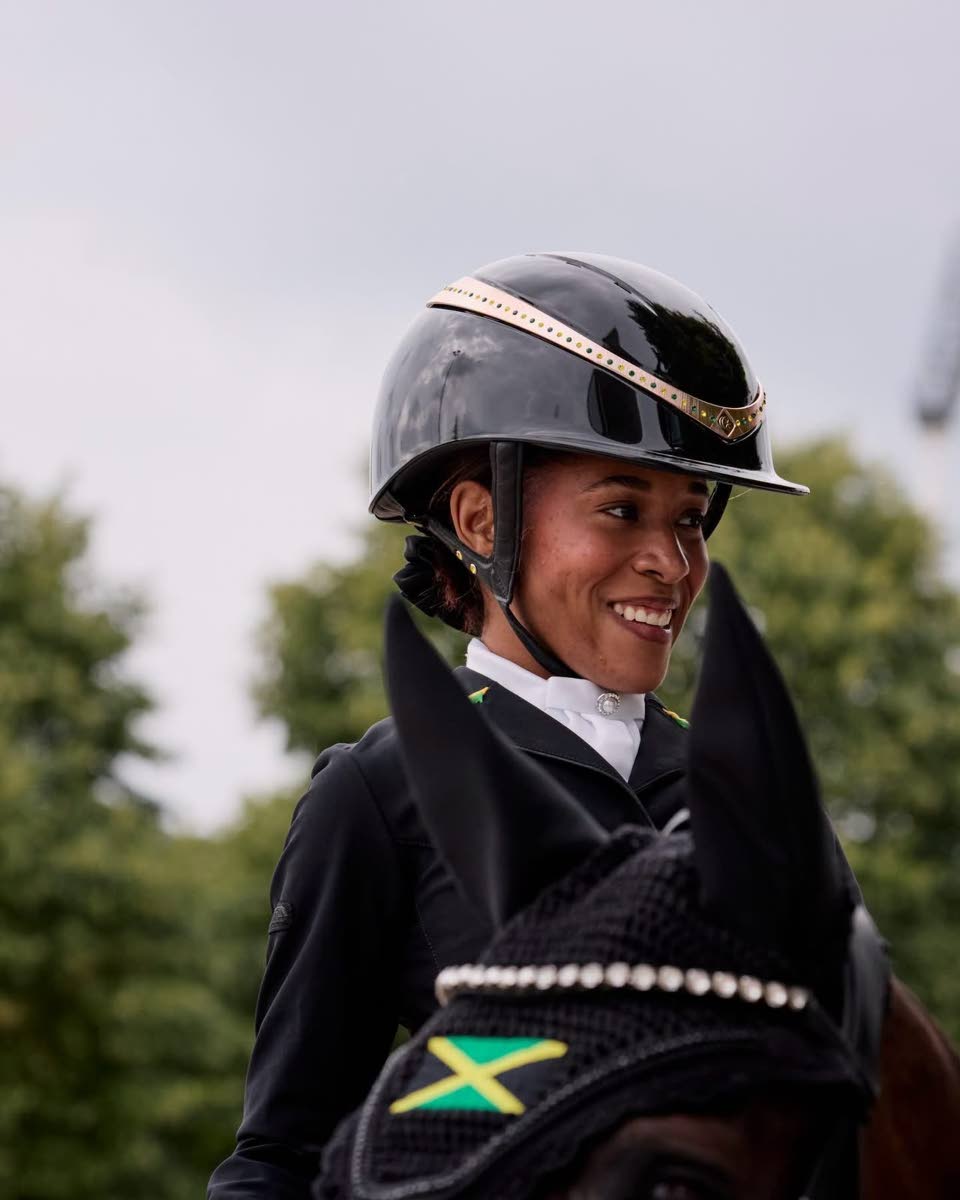
Tegan Vincent-Cooke, Jamaica’s first para dressage rider to compete at the FEI World Championships.
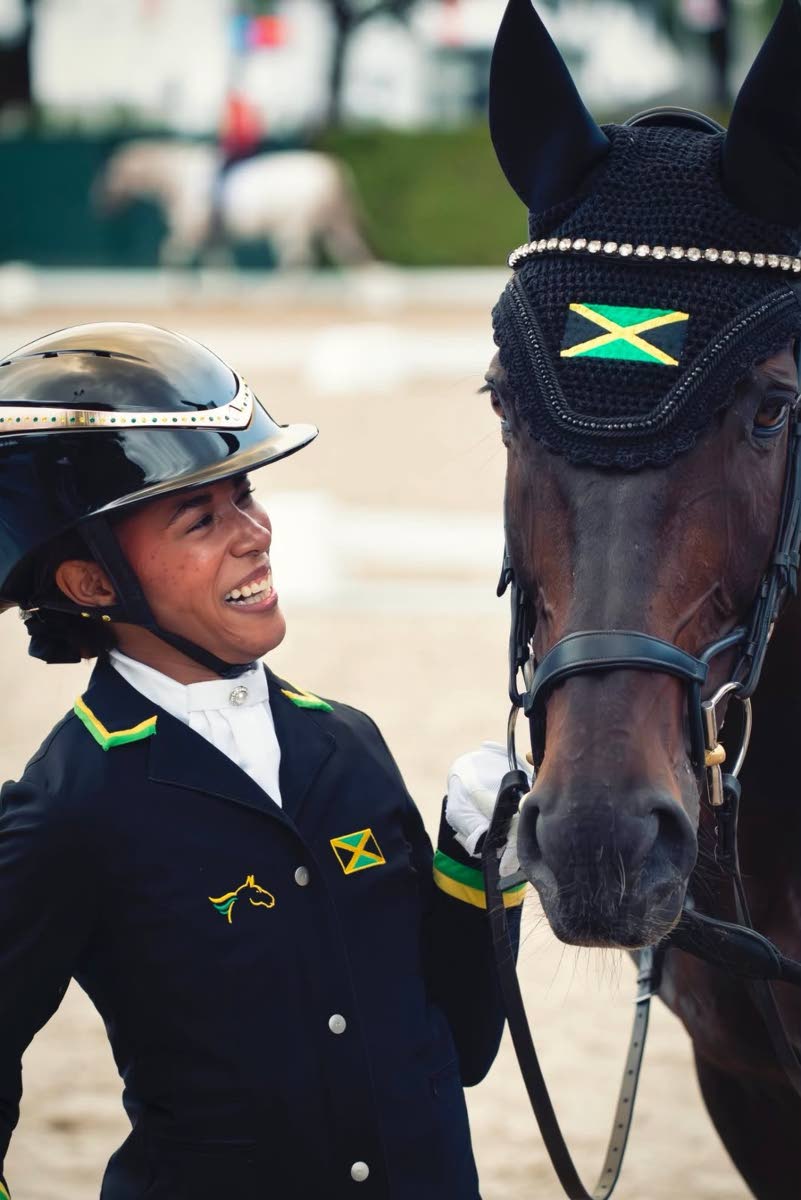
At the age of four, Tegan Vincent-Cooke was placed on a horse as a form of physiotherapy
Twenty-one years later, the young Jamaican woman living with cerebral palsy and dystonia rode onto one of equestrian sport’s biggest stages with three letters beside her name: JAM
For Vincent-Cooke, Jamaica’s first para dressage rider to compete at the FEI World Championships, getting to Aachen, Germany, was about far more than scores and placings
“For the first time, I rode onto this world stage with JAM beside my name,” the 25-year-old said
And when The Sunday Gleaner asked whether she was representing Britain, where she was born and lives, her response was immediate. “I only represent Jamaica.”
Born in Bristol, England, Vincent-Cooke is a naturalised Jamaican with Jamaican grandparents. Last week, she became the country’s lone para dressage athlete at the FEI World Championships in Aachen and its first-ever competitor in the discipline at a World Championship
She did it aboard Stolen Kiss, affectionately called Coco, the first horse she has ever owned and the horse with whom she has travelled from novice competition all the way to International Grand Prix level and now a World Championship
But long before there were international competitions, scores, Jamaican colours, or dreams of the Paralympic Games, there was simply a little girl, a horse, and therapy
Cerebral palsy and dystonia affect her movement, coordination, and muscle control
She began riding through Riding for the Disabled when she was four after it was introduced as a form of physiotherapy. But what started as therapy became something else: freedom
‘A form of therapy’
“One thing that the sport does give me is a level of freedom,” she told The Sunday Gleaner, explaining that the movement of the horse helps her physically. “It’s kind of a form of therapy to me.”
She fell in love with horses. As a child, she competed at Riding for the Disabled regional and national competitions, eventually accumulating seven regional titles and six national wins
At 15, she entered the world of British dressage, sometimes turning up at training days and competitions with her mother even when she did not have a horse to ride. They went simply to watch and learn
She borrowed horses from friends and Riding for the Disabled whenever she could, but progression in equestrian sport requires the consistency that comes from developing a partnership with a horse
Then came Coco. At 21, after years of wanting a horse of her own, Vincent-Cooke bought the Trakehner mare who would eventually carry Jamaica onto the World Championship stage
“Coco makes that achievement even more special,” she said. “She was my first horse, and together, we have progressed from novice level all the way to International Grand Prix and a World Championship.”
Dressage is sometimes described as a dance between horse and rider. Vincent-Cooke describes it more technically as “the art of training a horse and competing to a level of accuracy”
Para dressage follows the same principles, but athletes are classified according to the impact of their disabilities, so they compete against others with similar functional abilities. Vincent-Cooke competes in Grade I. She trains two or three days each week, competes about once a month, and attends about four major shows each year
Her journey, however, has not been conventional. After competing in Britain, Vincent-Cooke decided to represent Jamaica internationally and began competing under the Jamaican flag in 2025. The decision would lead her and Coco somewhere no Jamaican para dressage rider and horse had gone before: Aachen
At her first World Championships, Vincent-Cooke scored 63.5 per cent in the individual championship to finish 19th and followed that with 61.5 per cent and 18th place in the team championship
Although the event is called a team championship, Vincent-Cooke competes individually because Jamaica does not have a para dressage team. She is the team. And that distinction has not gone unnoticed in Germany
“Everyone really loved us being here,” she said
“We’ve had a lot of people wanting to take pictures and to celebrate with us. As it is quite a moment… we are the first to ever do this, people have been celebrating with us and cheering us on.”
For an athlete accustomed to working with a relatively small support system, seeing Jamaica attracting that attention in Aachen has been particularly meaningful
Proud to represent Jamaica
“I feel really proud to be representing the country and also really grateful for the opportunity,” she said
Behind the photographs, competition clothes, and historic achievement, however, lies a significant financial burden. International equestrian competition is expensive
There is the care of the horse, training, transportation, competition fees, and the cost of moving both athlete and animal internationally. Vincent-Cooke says she and the small team around her currently shoulder much of that responsibility
“We didn’t arrive in Aachen with a huge national programme or significant financial backing,” she said. “We got there through years of work, sacrifice, and the support of a small team who believed this was possible.”
She has received support from equestrian-related sponsors, including Charles Owen, Flexars, Helite, Neue Schule, BETTALIFE, and Jo Hansford Photography, but she would now like Jamaican corporate support to become part of the journey
Because Aachen is not the destination, it is another beginning; the next dream is Los Angeles 2028. Vincent-Cooke wants to become a Jamaican Paralympian
“My next major goal is the Los Angeles 2028 Paralympic Games, and I am actively looking for sponsors and partners who want to be part of that journey,” she said
But even that ambition extends beyond one athlete and one horse. Vincent-Cooke wants her presence on the international circuit to help create space for other Jamaicans and Caribbean athletes with disabilities in a sport in which representation from the region remains scarce
“This isn’t only about supporting one athlete,” she said. “I want to use what I am doing to increase Jamaican and Caribbean representation within equestrian sport and show other disabled young people that these spaces can belong to them too.”
Twenty-one years after a four-year-old girl was first placed on a horse for physiotherapy, that little girl and Coco have carried the Jamaican flag onto a World Championship stage
For Vincent-Cooke, making history is special. But what would be even better is having someone follow her
“Being Jamaica’s only athlete at this level is something I am immensely proud of,” she said, “but I don’t want to be the only one forever.”
Aachen has shown her what is possible. Now, she says, she wants to find out just how far she and Coco can go with Jamaica riding alongside them
janet.silvera@gleanerjm.com
