



Mothers Still Face Delayed Care for Postpartum Mental Health Conditions
Sunday, 23 August 2026, 15:20
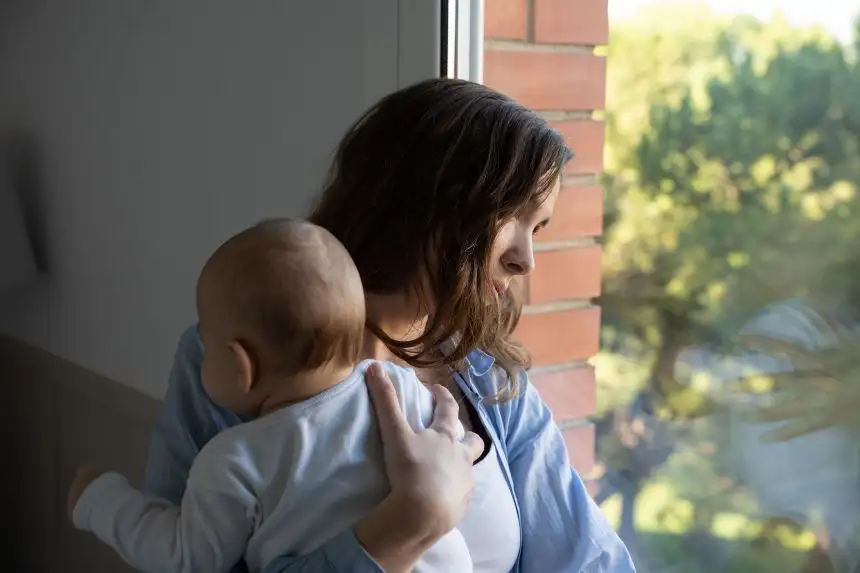
As high-profile stories about maternal mental health gain attention, more women are beginning to speak openly about their own experiences. Rolart Studio/iStockphoto/Getty Images
Behind the public conversation about postpartum wellbeing, many mothers still encounter long waits, financial obstacles, and systems that overlook their needs
Mothers’ mental health is increasingly becoming a topic of public discussion, yet timely access to postpartum care remains difficult for many women. Adrienne Griffen’s story shows just how exhausting this journey can be
After the birth of her second child in 2001, Adrienne Griffen experienced severe postpartum depression. Her symptoms had quickly disappeared after her first pregnancy, but this time her condition worsened. Because of fear, a lack of understanding, and the response of medical professionals, she was unable to find the support she needed for six months
It felt like I was banging my head against a brick wall
– Adrienne Griffen
Adrienne Griffen now leads the Maternal Mental Health Leadership Alliance. She believes that while it has become easier to talk about maternal mental health over the past 25 years, the actual support system still fails to meet the needs of a large number of women
Postpartum depression and psychosis: why the issue is drawing attention
A new wave of discussion was prompted by the trial of 36-year-old labor and delivery nurse Lindsay Clancy, who claims that she strangled her three young children during postpartum psychosis, as well as the death of Hayden Panettiere. The actress had previously spoken openly about her experience with postpartum depression
Postpartum psychosis is considered a severe but rare condition: it may occur in approximately two out of every thousand women after childbirth. Depression and anxiety are far more common. Experts estimate that mental health disorders during pregnancy or within a year after giving birth may affect up to one in five women in the United States
There is a lot of stigma and misunderstanding surrounding the postpartum period. It is a spectrum, it is a scale, and fortunately, I never felt any hostility or negativity toward my child, but I did not feel the connection with her that I thought I should have
– Hayden Panettiere
Hayden Panettiere also said that her long-standing partnership with Neutrogena ended after a television interview about postpartum depression in 2015. Following the actress’s death, the company expressed regret that she had felt inadequately supported during that difficult time
Why postpartum support for mothers is often delayed
According to Griffen, after giving birth, a woman is recovering from a medical intervention while also caring for an infant. At the same time, the healthcare system often focuses most of its attention on the child, while the mother’s physical and emotional condition is not always monitored closely enough
Dr. Andrea Diaz Stransky of Duke University notes that anxiety and depressive disorders during the perinatal period are more common than gestational diabetes. Even after screening, women may not receive help quickly: appointments with psychotherapists often involve long waits, and available treatment options are limited
If I conduct a screening and the result is positive, the wait for therapy may be so long that the patient cannot get help quickly enough
– Dr. Andrea Diaz Stransky
Untreated depression and anxiety during pregnancy are associated with a higher risk of preeclampsia and premature birth. Support may include specialized therapy or medication. It is important that not only the mother receives support: the involvement of partners, family members, and others who can help care for the child also matters
Financial barriers and stigma surrounding maternal mental health
Joy Burkhard of the Policy Center for Maternal Mental Health points out that financial factors also limit access to mental health care. In the United States, obstetric services are often paid for under a fixed-payment model created decades ago, when mental health was not viewed as a separate component of perinatal care
Even women with insurance may go without the treatment they need because of the fragmented system, public stigma, and fears that seeking help could lead to separation from their child
Experts believe that open discussions about postpartum depression, anxiety, and psychosis can influence medical practice and public policy. Recognizing these conditions as a common medical issue is a necessary step toward ensuring that mothers can receive support without shame, fear, or prolonged waiting
You may be interested in these materials:
- The Lindsay Clancy trial has renewed attention on postpartum psychosis, its warning signs, treatment, risk factors and the importance of urgent support for new mothers.
- IRC warns that slashed humanitarian funding has halved its Ukraine budget, worsening conditions for almost four million internally displaced people and straining medical and mental health services.
