


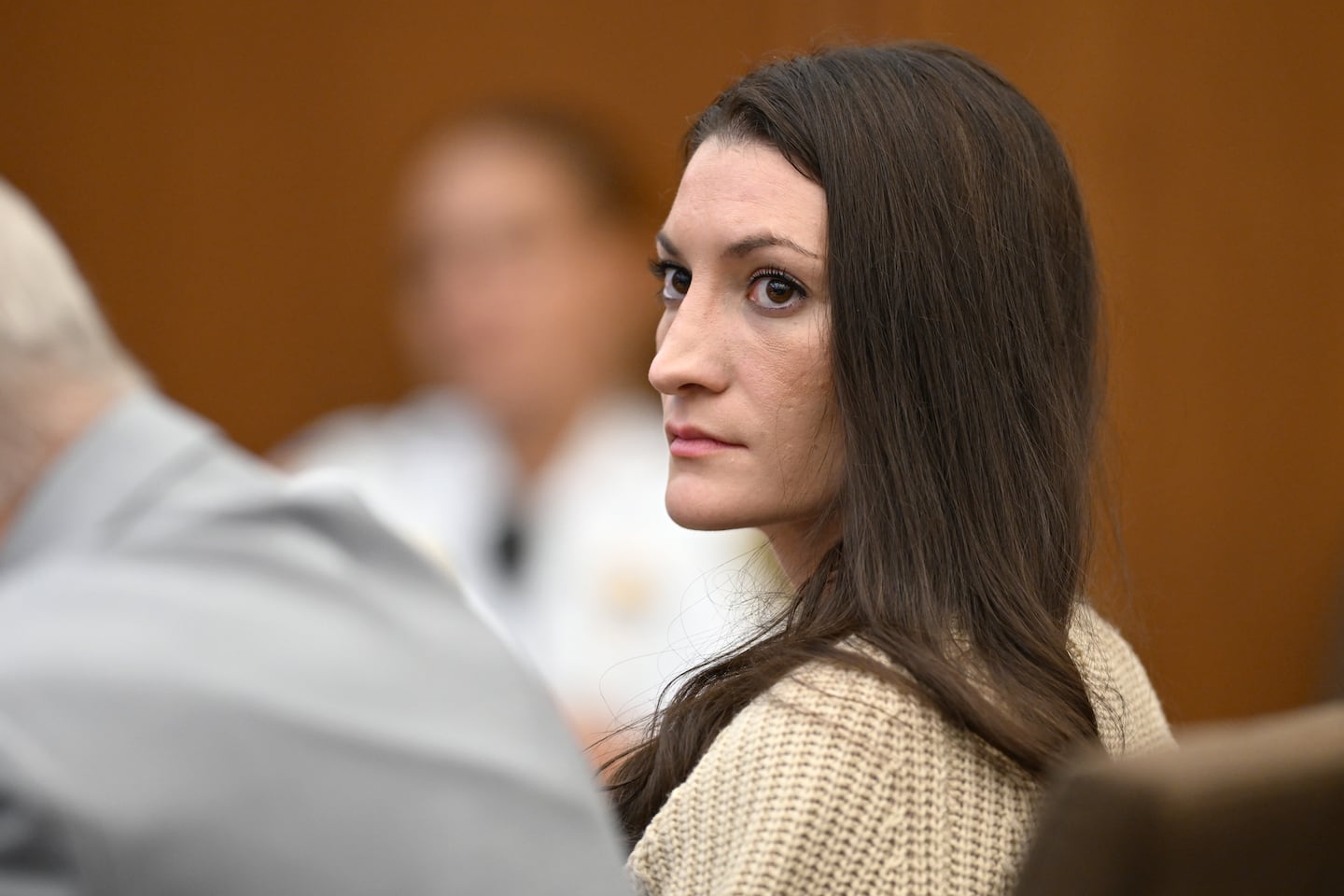
Lindsay Clancy, apparently suffering from a rare psychiatric disorder called postpartum psychosis, killed her three children. Clancy’s trial, which will determine whether she should be held criminally responsible, is raising questions about the quality of medical care she received. A civil lawsuit filed by her husband seeks to hold a psychiatrist, nurse, and two health care systems accountable
Clancy’s tragedy is drawing attention because of its horrific — and extremely rare — outcome. But new parents are struggling to navigate more common postpartum mental health care daily
A report released in June by the National Partnership for Women & Families, based on a survey of 3,800 women’s childbearing experiences, found that 60 percent of women with symptoms of anxiety or depression immediately before, during, or after pregnancy were not treated with counseling or medication
Eugene Declercq, a Boston University professor who studies maternal and childbirth policy, said the barriers to obtaining treatment can range from not taking the problem seriously to not being able to find a provider while navigating life with a newborn. “We so strongly prioritize babies, but sometimes mothers get lost in the shuffle,” Declercq said
Clancy’s trial provides an opportunity to consider how, as a state, we can improve access to and quality of care for people with postpartum mental illness. That could involve enhancing communication between health care providers, better integrating mental and physical health care, and expanding the pool of mental health providers
“It’s hard as a provider to see folks individually get called out [in the Clancy case] when it’s really about a system that is onerous to navigate,” said Leena Mittal, a reproductive psychiatrist in private practice
When not treated appropriately, mental illness can be fatal. According to a June report by the Massachusetts Department of Public Health, there were 153 pregnancy-associated deaths of mothers in Massachusetts between 2019 and 2023, and in 42 percent, the underlying cause was a mental health condition, a category that includes substance use disorders. (These deaths could include suicides, overdoses, or an exacerbated medical condition, like if drug use worsened preeclampsia.)
One theme that emerged from trial testimony was Clancy receiving care from different providers, who prescribed medications but did not communicate with each other. The Department of Public Health report suggested that a lack of communication is a systemic problem. A contributing factor to 22 percent of deaths reviewed by the report was a lack of continuity of care. Providers lacked access to a patient’s full medical record or didn’t adequately communicate. For example, an emergency department clinician didn’t share reports with a patient’s primary care doctor.
Mittal said mental health systems are “very siloed, and individuals who are trying to seek care are challenged to figure out how to navigate between disconnected systems.” Mental health records are protected by strong patient privacy laws, and health systems aren’t set up to easily communicate with each other if, for example, an obstetrician refers a patient to a psychiatrist in another health system
Often, the easiest way for a patient to access mental health care is if it’s integrated into their medical care: an obstetrician refers a woman to a psychiatrist in the same medical system who takes her insurance. But even when that’s not possible, medical systems or insurers can employ navigators, advocates, or social workers to help patients make appointments, find providers, and navigate differences of opinion. Community health workers and postpartum doulas can keep an eye on postpartum women and refer them to care. The Department of Public Health report identified a particular need to help the most at-risk women — ensuring a homeless shelter resident has transportation to medical appointments, or someone with substance use disorder gets support around traumatic events, like custody hearings.
The challenge is ensuring that programs and professionals are readily available to all new parents, which takes money
The Department of Public Health, for example, oversees a home-visit program to support parents with substance use disorder. But Cristina Alonso, director of the Pregnancy, Infancy, and Early Childhood Division in the Bureau of Family Health and Nutrition, told the editorial board that the program, while effective, is only available in seven locations and is restricted to people who self-identify as using opioids. Expanding it would take approximately $400,000 per new location
Similarly, the Legislature passed a maternal health bill in 2024 expanding statewide a program where a nurse visits a newborn’s home once to assess the needs of the caregiver and baby and offer referrals. But Alonso said lawmakers never funded the expansion, which would cost around $5 million annually
The biggest need may be for more mental health clinicians — whether by expanding training opportunities or ensuring clinicians are adequately reimbursed. A Massachusetts Health Care and Human Services Workforce Survey of outpatient mental health and substance use clinics found around 15 percent of clinician positions were vacant, with clinics reporting as major barriers to hiring a shortage of eligible applicants and an inability to offer competitive salaries
If, as a society, we value the health of our children, we must put equal value on ensuring that every mother can get the care she needs to keep not only her baby, but also herself, healthy
Editorials represent the views of the Boston Globe Editorial Board. Follow us @GlobeOpinion
