


Translated by AIVersione italiana
Key points
- How the vicious circle begins
- Vitamin D is more important
- Bespoke monitoring
3′ min read
Translated by AIVersione italiana
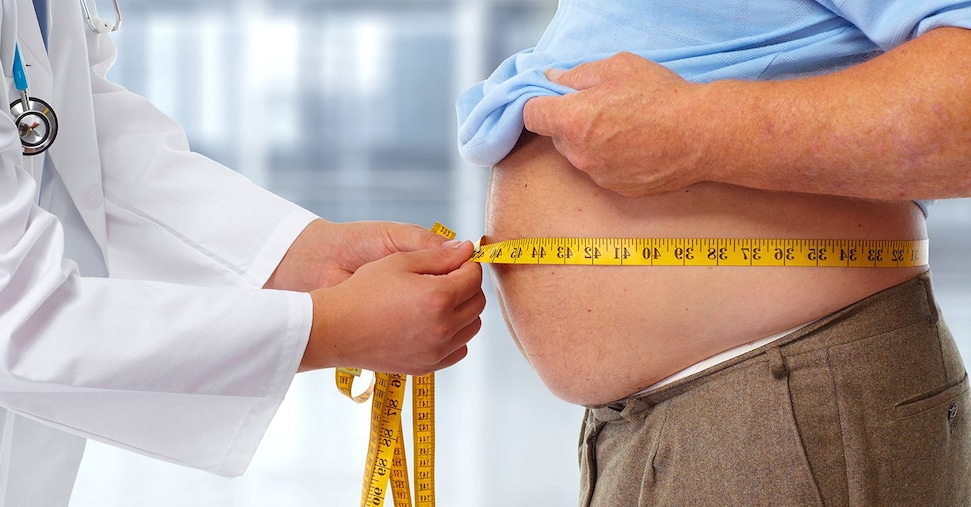
Rising blood sugar levels, leading to progressive exhaustion of the pancreas and reduced effectiveness of insulin. Almost constant inflammation, affecting organ health and blood circulation. Metabolic disturbances that tend to worsen cholesterol and blood lipid levels, as well as increasing the risk of developing diabetes. A direct route to high blood pressure. A tape measure (it is generally recommended that men keep their waist measurement below 102 centimetres and women below 88) can reveal a great deal about the risks associated with waist circumference and abdominal obesity, namely when these levels are exceeded, with the fat cells in the belly becoming a veritable metabolic and inflammatory powerhouse.
However, as well as being a direct risk factor in its own right, if this condition is combined with low vitamin D levels, the health risks are amplified, at least among the over-50s. In middle age, in fact, a potentially very harmful ‘combination’ can arise, linked to the co-occurrence of these two factors. The warning comes from a study published in Diabetes, Obesity and Metabolism, which reaches some truly alarming conclusions. What does it say? People with both abdominal obesity and vitamin D deficiency are said to have a 123 per cent higher risk of death than those who do not suffer from either condition.
Loading…
How the vicious circle begins
There is a clear link between low vitamin D levels and abdominal obesity. Indeed, abdominal obesity can ‘sequester’ the vitamin D circulating in the body, storing it in fat cells and thus removing it from the supply available via the bloodstream. Not only that: obese individuals generally have lower levels of the enzymes involved in vitamin D metabolism, leading to a further reduction in the vitamin’s availability to the body. Of course, at the heart of this process lies the risk of low-grade chronic inflammation, which occurs as we age and is also influenced by these factors: abdominal obesity reduces circulating levels of vitamin D, and this deficiency compromises the immune system, exacerbating the chronic inflammation caused by excess fat. In short, this creates an unfavourable environment that accelerates cardiovascular and metabolic diseases as well as sarcopenia, resulting in a loss of muscle mass.
Vitamin D carries more weight
The study examined 5,520 adults aged over 50, who were followed for six years. It adds to our understanding of these two conditions, which are particularly common in middle age and constitute a risk factor in their own right. The research, which involved academics from University College London, was coordinated by Tiago Silva Alexandre, from the Department of Gerontology at the Federal University of São Carlos in Brazil. The study population was drawn from the English Longitudinal Study of Ageing (ELSA), one of the world’s largest studies on ageing. Essentially, in cases of vitamin D deficiency (levels below 30 nanomoles per litre), a higher risk of death was observed compared with abdominal obesity. Whilst it is true that those with a prominent paunch, as defined by the criteria mentioned above, showed a 47 per cent higher risk of death compared with those who did not have any vitamin deficiency or an excessively large waist circumference, in the presence of vitamin D deficiency, the increase observed exceeded 90 per cent. However, it is important to note that the combination of these two factors appears to be particularly harmful, with the risk of death more than doubling. In short: the research shows that these two conditions can be particularly harmful to health when they occur together.
Tailored monitoring
In Europe, severe vitamin D deficiency — defined as levels below 30 nmol/L (approximately 12 nanograms per millilitre) — affects around 13 per cent of the population. If we consider the threshold of 50 nmol/L, the proportion of people with insufficient levels rises to around 40 per cent. So this is certainly not a rare occurrence. But be careful: the figures alone are not enough to define the risk profile, even in terms of prevention. The same vitamin D level can have a different significance in a healthy person, a frail elderly person, a post-menopausal woman, a patient with osteoporosis, someone taking medicines that interfere with vitamin D metabolism, or someone with malabsorption issues. It is therefore necessary to consider not only the laboratory result, but also the patient’s medical history, individual risk, age and any other underlying conditions. And now it is important to highlight how much and in what way abdominal obesity can ‘weigh’ on the situation. According to Tiago Silva Alexandre, it is nonetheless essential to take these data into account when drawing up an individual’s risk profile: “Monitoring vitamin D levels and treating excess abdominal fat are essential measures for preventing premature death, especially after the age of 50,” the researcher notes in a statement from the Fundação de Amparo à Pesquisa do Estado de São Paulo.
Copyright reserved ©
Loading…
Brand connect
Loading…
I prossimi eventi

Newsletter
Notizie e approfondimenti sugli avvenimenti politici, economici e finanziari
