


Resources and MediaNews & StoriesVideos
How nutrition can break the cycle of hunger
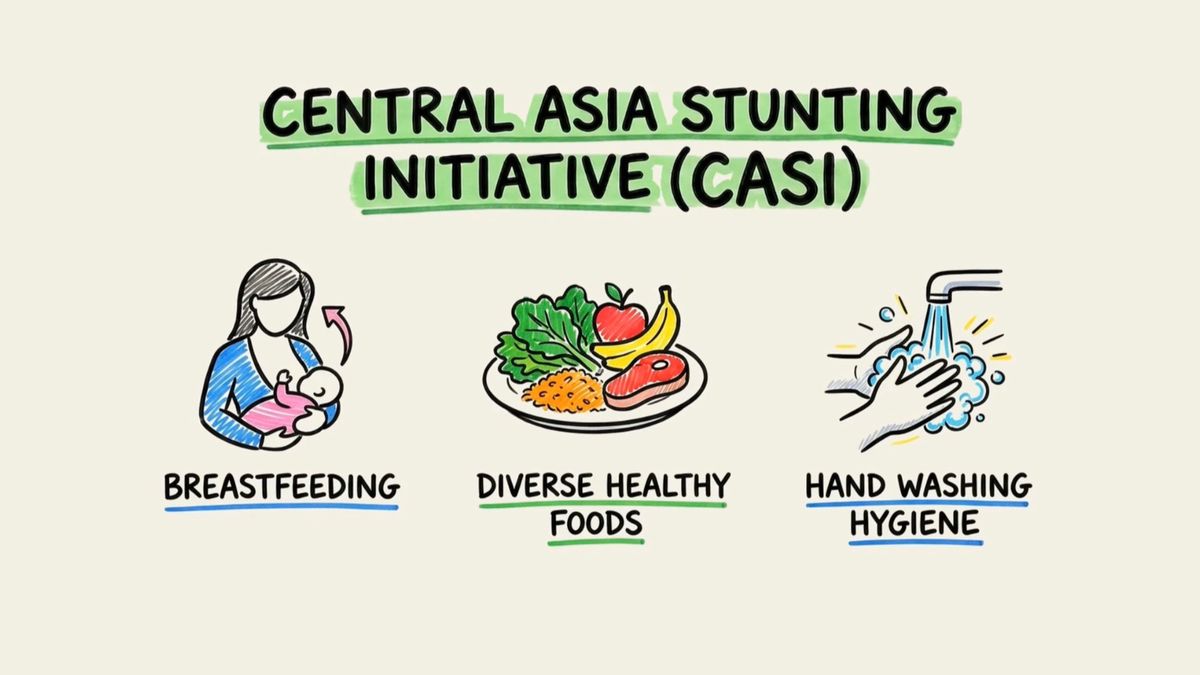
InGilgit-Baltistan, northern Pakistan,46 percent ofchildren under five are stunted.In the village ofImmit, on the southern slopes of the Pamir mountains, many families live onvery little. Jamjur Naroz’s husband earns £3 a day as a labourer, the family’s entire income. “We are a poor family,”Jamjursays. “We cannot afford a balanced diet.”Undernutrition can have lifelong consequences.When mothers and young children do not get enough protein, carbohydrates, fats, vitamins and minerals during pregnancy, breastfeeding and early childhood, severe nutritional deficiencies can affect a child’s physical and brain development. This can increase the risk of poverty later in life, with the next generation potentially facing the same challenges, what nutritionists call the intergenerational cycle of hunger.But this cycle can be broken.The Central Asia Stunting Initiative (CASI), run by the Aga Khan Health Service, helps families prevent and reduce undernutrition through growth monitoring, guidance on breastfeeding and complementary feeding, dietary diversity and hygiene, and nutritional supplements where needed. Its work sits alongside other efforts to tackle poverty in the region, including IFAD’s farming cooperatives and irrigation projects, and Pakistan’s national cash transfer programme, BISP.Three years ago, Urwa Hussain was stunted. Through CASI, her parents learned better feeding and hygiene practices, and Urwa received the nutritional supplement Ronaq for a year, with her growth checked every month. Today, her height and weight are average for her age.In areas ofGilgit-Baltistanwhere CASI works, stunting among children under fivedroppedfrom 41 to 35 percent over five years, according to an Aga Khan Universityevaluation.This wasa faster decline than theglobal average, based on UNICEF data.But despite these programmes,serious undernutritionremainsa reality for many families. Nearby, four-year-old HafizUr Rehmanstill struggles with severe anaemia that leaves him unable to concentrate or attend school.His storyraises the question of what his future could havebeenhad he and his mother been able to eatwell duringthose early yearswhen she was pregnant and for a year or two after hisbirth.He might have gone on to study engineering,medicineor law, supporting his family and his community, and pursuing his own dreams. His story is a reminder of why the work continues.Breaking the cycle of hunger starts with making sure children get the food they need to grow and thrive.Watch the animation above, or read the full story:Breaking the Cycle of Hunger: Tackling Intergenerational Stunting and Undernutrition in Northern Pakistan
