



Research and Innovation
REACH Study Aims to Make School Success a Measure of Children’s Health
By: Staff Writer | August 25, 2026 | 10 min. read |
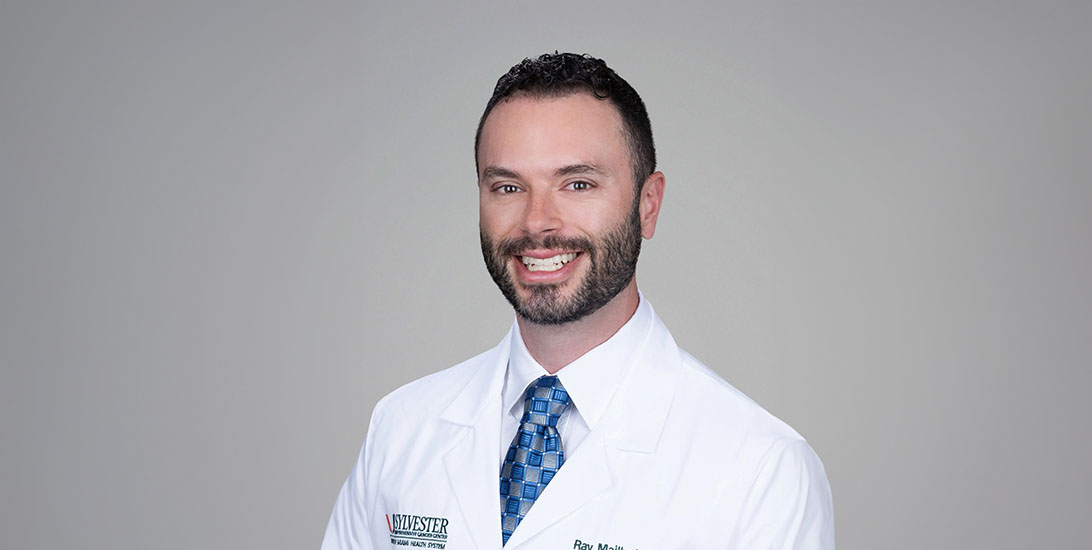
A PCORI-funded study led by Raymond Mailhot, M.D., is developing a reproducible way to connect school performance with health data for children facing serious illnesses
Most children spend their waking hours in school. Yet for children managing a cancer diagnosis and treatment, educational achievement is rarely considered a formal measure of health outcomes
That question drives the REACH (Recognizing Educational Achievement in Children’s Health) study, led by Raymond Mailhot, M.D., physician lead of the Adolescent and Young Adult Cancer Survivorship Program at Sylvester Comprehensive Cancer Center, part of UHealth—University of Miami Health System. With funding from the Patient-Centered Outcomes Research Institute (PCORI), the study aims to develop a reproducible method for linking school performance and health data
The project addresses a critical gap in understanding how serious illnesses and treatments affect children’s ability to thrive in the classroom. While clinicians routinely measure survival, recurrence and side effects, school performance may be one of the clearest indicators of how children function after treatment
Why This Research Matters
For children with cancer and other serious illnesses, returning to school is often a critical part of recovery. Yet educational achievement is rarely measured alongside traditional health outcomes such as survival or treatment response
The REACH study aims to create a reliable way to connect school performance and health data, helping researchers better understand how illness affects a child’s ability to learn, participate and thrive
Inspired by One Patient’s Journey
The idea for REACH began more than a decade ago, when Dr. Mailhot treated an 11-year-old child with germinoma, a highly curable type of cancer whose treatment can cause long-term cognitive effects
“I had treated a young patient who was a recent Venezuelan immigrant, and thinking of his returning to school and succeeding in the classroom weighed on me,” Dr. Mailhot said
The experience left a lasting impression. The family later gifted him a painting that remains a reminder of the challenges many young cancer survivors face after treatment
That encounter led Dr. Mailhot and colleagues to launch an earlier study, the first U.S. investigator-led effort to link district-collected school performance data with electronic medical records. The preliminary findings helped secure the new PCORI funding award
“This research project was selected for its potential to address a high-priority methodological gap in patient-centered comparative clinical effectiveness research,” said PCORI Executive Director Nakela L. Cook, M.D., M.P.H. “Studies like this one advance the methods used to plan, conduct and evaluate comparative clinical effectiveness research, strengthening the quality of evidence generated to help patients and those who care for them make better-informed health care decisions. We look forward to following the study’s progress.”
Why Does School Performance Matter to Children’s Health?
“As survivorship care continues to evolve, we must expand how we define outcomes for children and adolescents facing serious illnesses,” said Frank Penedo, Ph.D., director of the Sylvester Survivorship and Supportive Care Institute, associate director for population sciences, the Sylvester DCC Living Proof Endowed Chair in Cancer Survivorship and an associate professor in the University of Miami Department of Psychology. “REACH recognizes that success is not measured solely by clinical indicators, but also by a child’s ability to thrive in everyday life, including in the classroom.”
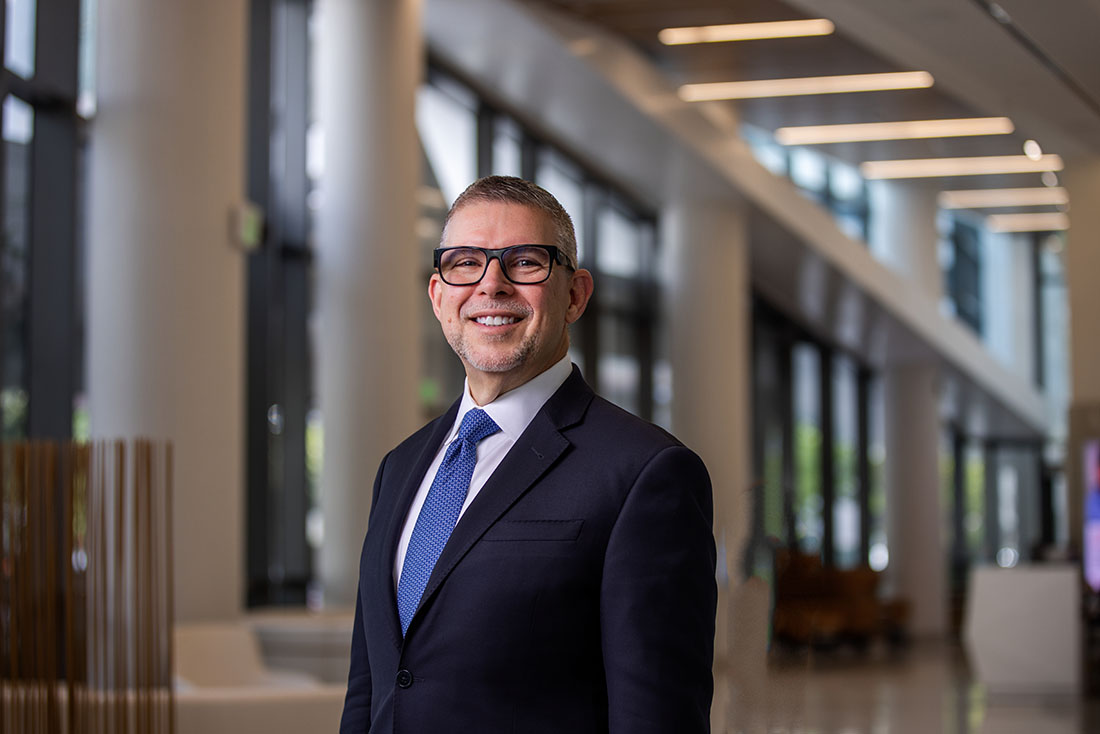
For Dr. Mailhot, school performance offers a unique window into children’s health because education is a shared experience across childhood
“Adults have a lot more heterogeneity in how their lives are lived,” he said. “Children are mandated to be in school. In fact, the majority of a child’s awake hours is spent in school or school-related activities. That also provides a general pre- and post-understanding of how cancer and its treatments affect a child.”
Yet educational achievement has not been established as a standardized pediatric health outcome. Researchers lack consistent methods for collecting, comparing and interpreting scholastic data across institutions and regions
REACH aims to change that by addressing four challenges limiting the use of educational outcomes in pediatric research:
• Determining where scholastic performance data should be collected
• Establishing guidance for the labor and re
• Creating methods for combining school performance data across state lines
• Identifying which aspects of scholastic performance matter most and to whom
By overcoming these barriers, researchers hope to create a framework that health care systems, researchers and educational institutions can adopt.
How Patients, Families and Educators Shaping the Study
A hallmark of PCORI-supported research is meaningful stakeholder involvement, and REACH was built around that principle. The study brings together patients, families, educators, clinicians and advocacy organizations, including school district leaders, national charter school networks, learning experts, specialists in neuropsychology, pediatric neurology and pediatric oncology, childhood cancer survivors and caregivers
“Patients, families, educators and community partners are central to PCORI, and they play a key role as stakeholders and advocates in this research,” Dr. Mailhot said
Their perspectives will shape which educational measures matter most, how they should be collected and how findings can improve outcomes for children facing serious illness
Frequently Asked Questions
What is the REACH study?
REACH, which stands for Recognizing Educational Achievement in Children’s Health, is a PCORI-funded project that aims to develop a reproducible method for linking school performance data with health information
Why focus on school performance?
Researchers believe educational achievement may be one of the clearest indicators of how children function after treatment for serious illnesses. While clinical outcomes are routinely measured, school success is rarely included as a formal health outcome
What problem is REACH trying to solve?
Researchers currently lack standardized methods for collecting, comparing and interpreting educational outcomes across institutions and states. REACH seeks to create a framework that others can adopt
Who is involved in the research?
The study includes patients, caregivers, educators, clinicians, researchers, school leaders and advocacy organizations. Their perspectives will help determine which educational measures matter most and how they should be used
What could the long-term impact be?
If successful, REACH could establish educational achievement as an important pediatric health outcome and provide a model for use in clinical trials, survivorship programs and health care systems nationwide
School Performance as a Standard Health Outcome
For Dr. Mailhot, the long-term vision extends beyond a new research method. He hopes REACH can influence how clinicians, researchers and health systems think about pediatric outcomes
“My goal is that including school performance as a metric for health becomes an endpoint central to clinical research and clinical outcomes,” he said
If successful, the study could establish a common approach for tracking educational achievement in pediatric clinical trials and survivorship programs nationwide, giving schools and health systems new tools to support students facing serious health challenges
“There is a key interplay between education and health. The goal of REACH is to establish and solidify a reproducible methodology for how to link school and health data to be used by other researchers, clinical systems and education systems,” said Dr. Mailhot. “When I’ve brought up the study with patients and families, many times caregivers share how that readjustment to school for sick children seemed to be overlooked, even in follow-up.”
Ultimately, the study aims to help researchers, clinicians and educators measure not only whether children survive serious illnesses, but whether they stay on the educational path that shapes the rest of their lives

Rapid Genome Sequencing Could Help More NICU Babies, if Key Barriers are Addressed
Rapid genome sequencing can help diagnose critically ill infants. Miller School researchers are improving testing decisions and interpretation of genetic findings
Read more
Creating Custom Genetic Treatments for Critically Ill Newborns
A $3.2 million NIH grant supports research using antisense oligonucleotides to develop rapid, personalized treatments for NICU infants
Read more
Sunshine Genetics Act Expands Newborn Screening to Hundreds of Treatable Genetic Diseases
Florida’s Sunshine Genetics Act launches a pilot program to expand newborn screening using genomic sequencing
Read more
Clinical Interpretive Reports Make Genomics Accessible for NICU Physicians
Dr. Pankaj Agrawal found clinical interpretive reports are feasible and effectively communicate important genomic information to clinicians
Read more
Tags:cancer survivorship, kids health, pediatrics, Sylvester Comprehensive Cancer Center, Sylvester’s Survivorship and Supportive Care Institute
