


Wellness
> Fitness
Playbook: The Wellness Philosophy of Nico Rosberg, Who Traded the Cockpit for a Mountain Bike
The F1 champion and Apple TV broadcaster talks mobility work, harnessing nerves and slow days in Monaco
By
Tanner Garrity@tannergarrity
August 25, 2026 11:12 am EDT
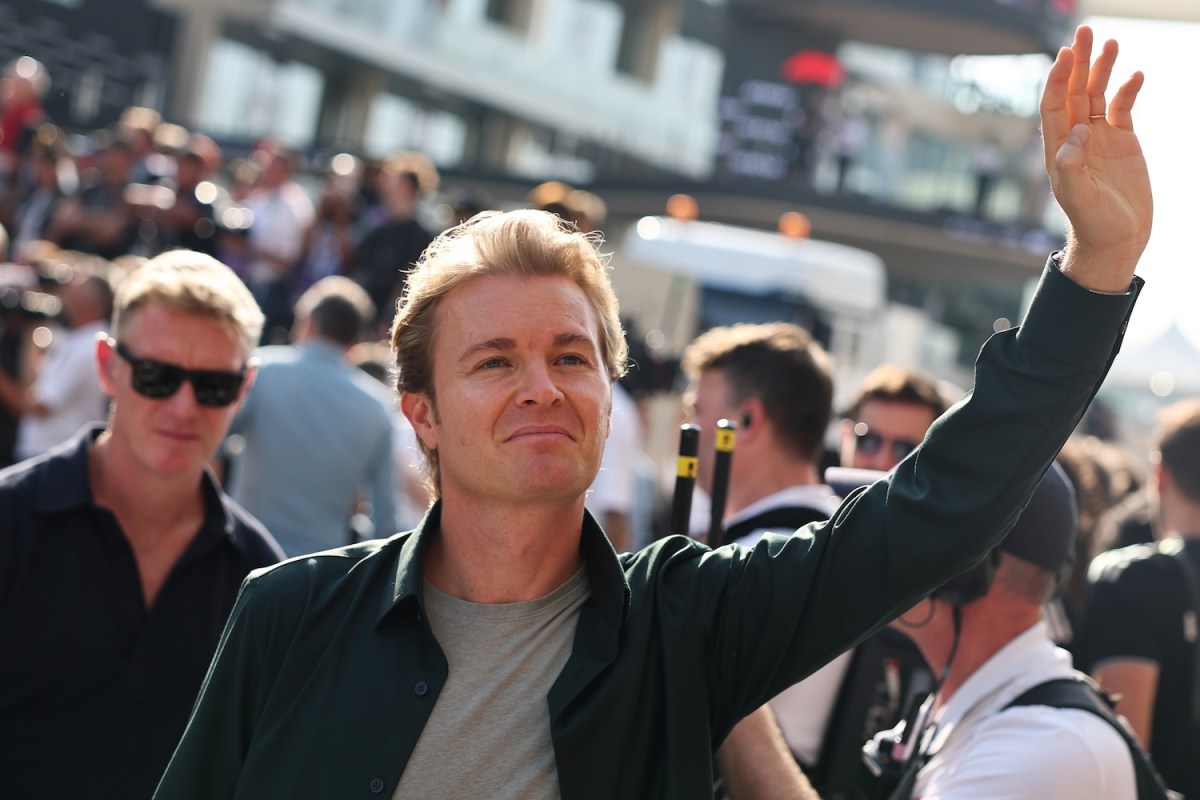
Nico Rosberg’s workouts have changed, but he still leans on mental rituals he built during his racing days.
Getty
Welcome to Playbook, a Q&A series where I ask successful guys about their wellness philosophy. This week I’ve got Nico Rosberg, the 2016 Formula 1 champion and current co-host ofCircuits in Focuson Apple TV, the U.S. streaming home for F1. Ahead of a packed fall racing schedule, the German-Finnish 41-year-old took some time to talk mountain biking, tennis, a workout he still dreads and some mental tricks he picked up in the cockpit. My favorite: nerves are energy, not the enemy
Tanner Garrity: Is there a fitness goal you’re currently chasing?Nico Rosberg: Mountain biking has become a real passion. The nicest part is that it started with my dad. He’s 77 now, so we’re not exactly racing each other up the mountain, but getting out on the trails together has become our thing, and I treasure it. The goal for me is building up to longer, more technical rides. In racing, everything I did physically was in service of the car. I once gave up cycling for a whole season because the leg muscle was costing me a kilo I couldn’t afford. So there’s something quite special about being back on a bike purely because I love it, with the person who taught me what competing even means.
What’s a workout you dread but know is really good for you? Would your answer have been different when you were still in the cockpit?Stretching and mobility work. It’s boring, nobody claps, but it’s the thing keeping everything else possible. Especially as the mountain biking gets more serious. In the cockpit days, it was the neck training. Hours of holding weight against your head so you could take the G-forces. There’s no glory in it and every driver hates it, but if your neck goes in the last 10 laps, everything else you did that week was wasted. It taught me a lesson I still use: the boring work is usually the work that matters.
What are some traditions you rely on when you’re home? Home is where the pace changes for me. Tennis is a constant. It’s been part of my life since I was a kid, and it’s still how I switch off best, because you can’t think about anything else while the ball is coming at you. Beyond that, I’m a creature of habit: same morning coffee, same courts, a ride with my dad when we can both make it work. I won’t pretend to be a great cook. My range is coffee in the morning and the barbecue in the evening, but I’ve made peace with that. A slow day is family, sport, being outside and putting the phone away for a few hours, which can sometimes be harder than any workout.
How do you handle nerves before getting on air? Do you rely on the same strategies from your racing days?Yes, mostly. I’m glad I built them when I did. In my racing years I worked hard on the mental side: [seeing] a psychologist, meditation, breathing. The biggest lesson was that nerves aren’t the enemy. They’re energy you have to point in the right direction. Before we go on air I do a small version of what I did on the grid: a few minutes of quiet, a couple of slow breaths, then focus only on the first thing I need to say, the way I used to focus on the first corner, not the whole race. And I love that broadcasting is a team sport. It has the feeling of a garage on race day, everyone with a job, all pulling the same way. The difference is that on air, if you make a mistake, nobody hits a wall. Which is quite relaxing after Formula 1.
Which stop on the fall F1 calendar are you most looking forward to? Anything in particular that excites you about the season ahead?Singapore. It was always the toughest race of the year, with the heat, the humidity and two hours of total concentration under lights, so I had huge respect for it as a driver. Now I get to enjoy the atmosphere without losing three kilos in the car. And I also have to say Vegas, because it’s become the week America truly shows up for Formula 1. The spectacle is incredible. As for the season, what excites me is how tight it is. When a championship is decided by details rather than one car being a second faster, that’s Formula 1 at its best. Part of the joy of my job now is that I finally get to appreciate it. In the car, you don’t get to enjoy any of it.
A book you’d recommend to our readers?Runnin’ Down a Dream by Bill Gurley. I’ve sent his famous talk to more founders than I can count, and this year he finally turned it into a book. It’s about how the people who reach the top of any field actually get there. Not by luck, but by obsessive curiosity. You have to study the best and do the work when nobody’s watching. That was true in my racing career, and it’s exactly what I see now running Rosberg Ventures, my investment firm. The best founders operate the same way the best drivers do. It’s the book I’ll be giving people this year.
Meet your guide
Tanner Garrity
More from Tanner Garrity »
Twice a week, you’ll find guinea pig features, personal essays and expert interviews on living better — for however long you’re here. Subscribe to Champ now
Recommended
 Grooming
The Best Le Labo Fragrances (That Aren’t Santal 33)
 Style
Style
Products of the Week: US Open Apparel and New Balance Mary Janes
 Gear
Gear
From AirPods to Extra Discounts: The Best Deals on the Internet This Week
The InsideHook Newsletter
News, advice and insights for the most interesting person in the room
