


Key Takeaways
- GLP-1 medications are established treatments for diabetes and obesity.
- Obesity contributes to about 40% of cancers in the U.S.
- Early GLP-1 research suggests they may help reduce cancer risk or improve outcomes in some cancers. The findings are not yet definitive, so they should not be used solely for cancer prevention.
- For people who already qualify for GLP-1 therapy because of diabetes or obesity — especially cancer survivors — the potential cancer benefits may become an additional factor in shared decision-making with their healthcare team.
- Healthy lifestyle changes remain a cornerstone of cancer prevention and survivorship, regardless of whether someone takes a GLP-1 medication.
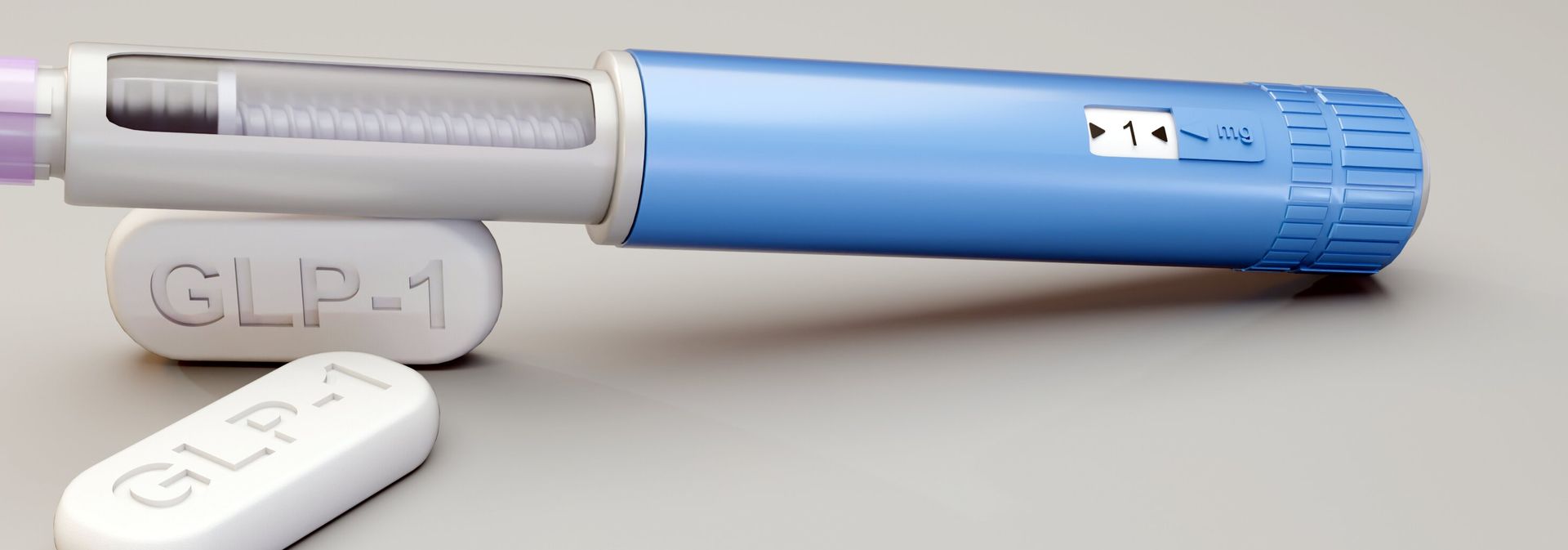
GLP-1 medications, with brand names such as Ozempic, Wegovy, and Zepbound, regulate blood sugar in people with type 2 diabetes and are also used for weight loss. Over the years, studies have shown them to be safe and effective when taken as prescribed
Recent research has linked GLP-1s to cancer prevention
The idea that these popular medications might keep cancer at bay is receiving nationwide attention — but it’s too early to suggest that anyone should start taking GLP-1s solely for that purpose, said Dan Mulkerin, MD, medical director for University of Rochester Medicine’s Wilmot Cancer Institute
However, for patients already diagnosed with cancer, GLP-1 medications might be a valuable tool to prevent cancer from returning or spreading
Dr. Mulkerin emphasized that GLP-1 drugs should be part of a comprehensive self-care plan. “Sustained lifestyle changes are harder to maintain than taking a drug, but we already know that if you have cancer, diet and exercise that supports a lean body reduces your chance of a relapse.”
Medical professionals should tailor advice about GLP-1 medications to each individual patient, he said
Why Nutrition Counseling Is Vital with GLP-1 Medication
GLP-1 medications support weight loss, but nutrition counseling is essential for safe, sustainable results

Why Are Researchers Studying GLP-1 Drugs and Cancer?
GLP-1 drugs help people lose weight, which is important because the risks from obesity account for 40% of all cancer diagnoses in the U.S., impacting prognosis and survival
More than 1,000 studies, reviewed by an international cancer research team, found that consistently high amounts of body fat were linked to 14 types of cancer. The highest risk: endometrial and esophageal cancer
In 2023, nearly 33% of U.S. adults had obesity, according to the National Cancer Institute
How does obesity affect cancer risk?
- Fat tissue produces excess estrogen, which can lead to several types of cancer.
- High blood sugar, insulin levels, and inflammation from obesity can cause cancer.
- Fat cells produce hormones that stimulate cell growth, and abnormal cell growth is a hallmark of cancer.
- Nearly 40 million people in the U.S. have diabetes, which is often connected to obesity and raises the risk of cancer.
Researchers are studying how GLP-1 medications work to reduce cancer risk. Is it by changing the blood chemistry of an obese person? Or does the drug directly impact cancer cells?
What Research Says About GLP-1 Medications and Cancer Risk
Two kinds of research are part of this conversation: retrospective and prospective studies
The current data showing that GLP-1 drugs may lower cancer risk are from retrospective studies, which means researchers looked back at medical records of patients who were taking GLP-1s for other reasons and tracked who developed cancer
The gold standard for clinical research, however, is prospective studies. This is when scientists enroll individuals in a clinical trial, provide an intervention, and track outcomes in real time. Dr. Mulkerin predicted that additional prospective GLP-1 clinical research will open soon because early evidence is exciting
GLP-1 news suggesting the drugs can prevent cancer were from retrospective studies
- Breast cancer and GLP-1 use. Researchers at the University of Pennsylvania examined records of more than 111,000 women, ages 45 to 80, with a BMI of 25 or higher. Nearly 14% used GLP-1 drugs. They looked for new breast cancer cases and discovered that the women using GLP-1s were about 30% less likely to develop the disease. The study made headlines at the 2026 American Society of Clinical Oncology (ASCO) annual meeting in June. A separate analysis done at Virginia Commonwealth University of more than 841,000 patients with stage 1, 2, or 3 breast cancer, also showed that at five and 10 years after treatment, the women who had been taking GLP-1 drugs had a stunning 60% lower death rate from any cause compared to non-GLP-1 users. That study also suggested a potential mechanistic role for GLP-1 signaling in certain cancers.
- Lung, breast, colorectal, and liver cancer.Another ASCO study, conducted by the Cleveland Clinic, examined records of more than 12,000 people who had diverse types of stage 1, 2, or 3 cancer. They discovered that the people who had obesity-related cancer in these four categories (lung, breast, colon, liver) and were also taking GLP-1s to manage diabetes, had a 38% to 50% lower risk of their cancer advancing to stage 4. GLP-1 drugs and DPP-4 inhibitors (gliptins) both manage diabetes by controlling metabolism, but the Cleveland Clinic study found that GLP-1 drugs are more potent, have stronger anti-inflammatory properties, and reduce cancer risk more effectively.
“It’s intriguing,” Dr. Mulkerin said. “We now have a couple of lines of evidence that are pretty compelling if you take all of these things together.”
Are GLP-1 Medications Approved to Prevent Cancer?
No. But Dr. Mulkerin believes the drugs may fit into cancer survivorship care. While waiting for additional research, the big question for oncologists is: what to do now?
“At Wilmot, we are not immediately planning to prescribe GLP-1s to patients who don’t otherwise take it for diabetes,” Dr. Mulkerin said. “But if we have patients who already have cancer and meet the criteria for GLP-1s, we could collaborate with primary care physicians to personalize those decisions, taking potential cancer risk reduction into account.”
Can GLP-1 Medications Cause Cancer?
Large, robust studies report that these drugs do not cause cancer, but the possibility concerns some individuals, and evidence points to the need for more research in a couple of areas:
- One early animal study suggested GLP-1s might contribute to medullary thyroid cancer, and therefore, the U.S. Food and Drug Administration placed a box warning on GLP-1 medications due to this risk in rodents. But a large analysis of human head-and-neck cancer cases, conducted by the Mayo Clinic and published in 2025, debunked the link between GLP-1 drugs and thyroid cancer.
- Another study reported in December 2025, suggested GLP-1 drugs may be involved in a rare subtype of a hereditary tumor called neuroendocrine neoplasm.Researchers pointed out this was a laboratory analysis of 576 tumors and 7% of the neuroendocrine neoplasms had GLP-1 receptors; they did not find that the drugs caused tumor growth.
- A study published last summer by JAMA Oncology looked at GLP-1 use and 14 obesity-related cancers and found that while the weight-loss drug lowered the risk of most cancers, there was a “nonsignificant increased risk of kidney cancer” particularly among people younger than 65. The study called for additional research to examine this question and urged patients to speak to their doctors before starting the drugs.
Side effects of GLP-1 drugs can include upper abdominal distress. When this is severe it can mimic pancreatitis, which is sometimes a precursor for pancreas cancer. Some patients may worry that the drug can cause gastrointestinal cancers — but Dr. Mulkerin said there is no evidence supporting that concern. He added that severe side effects from GLP-1 drugs are rare, and that any side effects typically disappear over time
Risks and benefits for taking any medication must be evaluated between an individual and a physician, he said. Dr. Mulkerin also encourages anyone with persistent gastrointestinal pain to speak to a physician
Research at Wilmot Cancer Institute
University of Rochester Medicine Wilmot Cancer Institute is an NCI-Designated Cancer Center that strives to prevent and conquer cancer through innovation in science, patient care, education, and community outreach
About Cancer Research
