


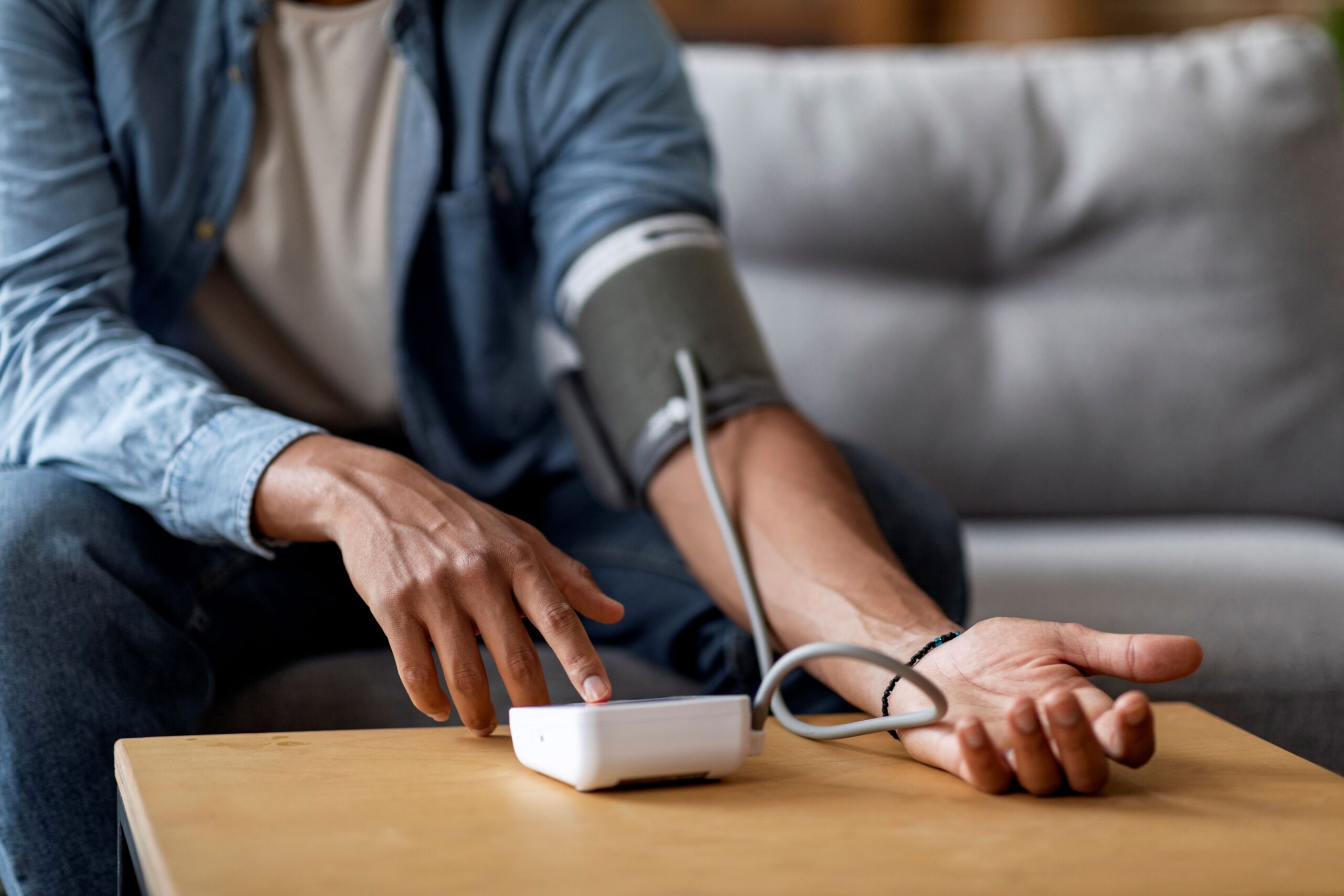
At-home monitors can help detect blood pressure patterns and guide treatment decisions.
At a glance
- High blood pressure typically has no symptoms but raises stroke, heart attack and kidney disease risk
- Exercising, maintaining a healthy weight, limiting sodium and managing stress can help lower blood pressure
- Monitoring blood pressure at home can help you and your provider make accurate treatment decisions
“My blood pressure is high? But I feel fine.”
Many people are surprised to learn they have high blood pressure because it rarely causes noticeable symptoms. Yet over time this condition quietly damages arteries and blood vessels throughout the body, increasing the risk of strokes, heart disease and other health problems
“People tend to underestimate the effect high blood pressure can have on the body because they don’t feel it. That’s why it’s often called the ‘silent killer,’” says Gagan Kaur, MD, a board-certified interventional cardiologist at MultiCare’s Pulse Heart Institute. “Even mildly uncontrolled high blood pressure can harm the heart and other organs.”
High blood pressure, also known as hypertension, becomes more common with age, but younger adults can develop it, too
Here’s how high blood pressure affects the body and what you can do to keep it in check
Why you shouldn’t ignore high blood pressure
Blood pressure is the force of blood pushing against the walls of your arteries. When blood pressure is consistently too high, it damages the lining of those walls. Over time, arteries become less flexible and more prone to plaque buildup, causing them to narrow and restrict blood flow
Narrowed or weakened arteries can have serious consequences throughout the body. In the heart, they increase the risk of coronary artery disease and heart attack. They also force the heart to work harder to pump blood, which causes the heart muscle to thicken
“While we want muscles like our biceps or triceps to get bigger and work hard, we don’t want the same for the heart,” Dr. Kaur explains. “When the heart becomes enlarged, it can lead to arrhythmias and heart failure.”
Damage to blood vessels affects other organs, too. Narrowed or blocked arteries in the brain can lead to strokes. In fact, uncontrolled high blood pressure is the leading risk factor for strokes, according to the American Heart Association (AHA)
Beyond the brain, high blood pressure can also damage the kidneys, increasing the risk of chronic kidney disease and kidney failure over time
How to manage high blood pressure
Our everyday habits and choices play a big role in managing and preventing high blood pressure
“While a lot of lifestyle adjustments may seem like small changes, they can make a big difference over time,” Dr. Kaur says. “What you do in your 30s, 40s and 50s really affects what happens to your health in your 60s and 70s.”
Whether you’re trying to lower your blood pressure or keep it within a healthy range, these strategies can help
1. Manage weight
Carrying excess weight can strain your heart and arteries. One of the most significant steps you can take to manage high blood pressure is to maintain a healthy weight
“For people who are overweight, losing even 5-10 pounds can make a difference,” Dr. Kaur says. “In some cases, weight loss has made it possible for people to get off blood pressure medications completely.”
2. Stay active
Maintaining a regular exercise routine can lower blood pressure, improve cholesterol levels and support overall health. Aim for 150 minutes of moderate-intensity aerobic exercise a week (about 30 minutes a day, five days a week)
Aerobic exercise includes any activity that gets your heart pumping, such as taking a brisk walk, swimming or playing tag with your children
Pair aerobic exercise with strength training a few days a week. Strength training refers to any exercise where your muscles work against an opposing force — such as a free weight, resistance band or your own body weight
If you have uncontrolled high blood pressure, talk with your doctor or other healthcare provider before starting a strength-training routine
What should my blood pressure be?
Blood pressure is measured using two numbers:
- The top number (systolic) measures pressure when your heart beats.
- The bottom number (diastolic) measures pressure between beats.
For most adults, a healthy blood pressure is less than 120/80. If your readings are consistently above that number, talk with your healthcare provider about how to lower them
3. Limit sodium
Sodium causes the body to retain fluid, increasing the amount of blood traveling through your arteries. As blood volume rises, so does blood pressure
Dr. Kaur recommends that people with high blood pressure consume no more than 1,500 mg of sodium a day. Even if you don’t have high blood pressure, it’s a good idea to limit your intake. The AHA recommends a maximum of 2,300 mg of sodium a day, with 1,500 mg being the optimal goal for most adults
“Reading nutrition labels may not be a regular habit,” Dr. Kaur says. “But it’s important when it comes to monitoring your sodium intake because a lot of prepared and packaged foods we eat, likes soups, sauces and condiments, are loaded with it.”
The AHA recommends these tips for cutting back on sodium:
- Choose low-sodium or “no salt added” versions of packaged foods
- Eat more fruits and vegetables
- Snack on unsalted nuts or seeds
- Season foods with herbs, spices or salt-free blends (such as Mrs. Dash) instead of salt
- Limit fast food and takeout foods
- Try the Dietary Approaches to Stop Hypertension (DASH) eating plan, which is proven to lower blood pressure
4. Manage stress
Stress is a normal part of life, but when stress is ongoing (chronic), it increases your risk for high blood pressure and can make it harder to control. Stress can lead to unhealthy coping behaviors — such as drinking alcohol or eating unhealthy foods — which can raise blood pressure
While no one can eliminate stress completely, healthy coping strategies such as exercising, reading, journaling or spending time in nature can help. One study found that stress-management and relaxation techniques, such as mindfulness and meditation, were associated with short-term reductions in blood pressure
If stress and anxiety are disrupting your life, seek professional support
5. Monitor blood pressure at home
Monitoring your blood pressure at home can help you and your healthcare provider understand how well treatments and lifestyle adjustments are working. Home blood pressure monitoring is especially important if you’ve been diagnosed with high blood pressure, are starting treatment or are adjusting medications
“When you come to the doctor’s office, your blood pressure may be higher because you’re nervous,” Dr. Kaur says. “Comparing those readings with measurements taken over time at home gives a more complete picture and helps us make more accurate treatment decisions.”
Follow these tips for monitoring your blood pressure at home:
- Use an automatic monitor with an upper arm cuff. Cuffs that go around the wrist may give you a blood pressure reading that’s artificially high.
- Follow best practiceswhen taking blood pressure. Avoid caffeine and exercise beforehand. Sit quietly for five minutes before taking a reading, and avoid talking or scrolling on your phone during measurement.
- Aim for consistency.Try to take your blood pressure around the same time every day.
- Keep a written record of blood pressure measurements.Bring this log with you to your medical appointments.
Visit the AHA website for more home-monitoring tips and guidance for choosing a blood pressure monitor
What if lifestyle adjustments aren’t enough
Healthy lifestyle changes are the foundation of blood pressure management, but they aren’t always enough on their own. Some people may also need medication to keep their blood pressure in a healthy range
“If you’ve been exercising regularly and eating right for a few months and your blood pressure is still consistently over 140, then it’s likely time to consider medication,” Dr. Kaur says
If you’re prescribed blood pressure medication, be sure to take it as directed. Talk with your provider before making any changes to your treatment plan
“Sometimes after starting medication, people notice their blood pressure has improved and abruptly stop taking it,” Dr. Kaur says. “But this can lead to a rebound effect that lands you in the ER. Some people may eventually be able to stop taking blood pressure medication, but it should be done safely under your doctor’s supervision.”
What’s next
- Learn about MultiCare’s efforts to provide Yakima Valley patients with at-home blood pressure monitors
- Find out how to lower your cholesterol without medication
- Is stress hurting your heart? Here’s what to know
Healthy Living
Heart Health
Primary Care
About the Author
Meredith Bailey
Meredith Bailey is a staff writer at MultiCare Health System. She crafts stories about science, health and wellness, among other topics
More Stories By This Author
