


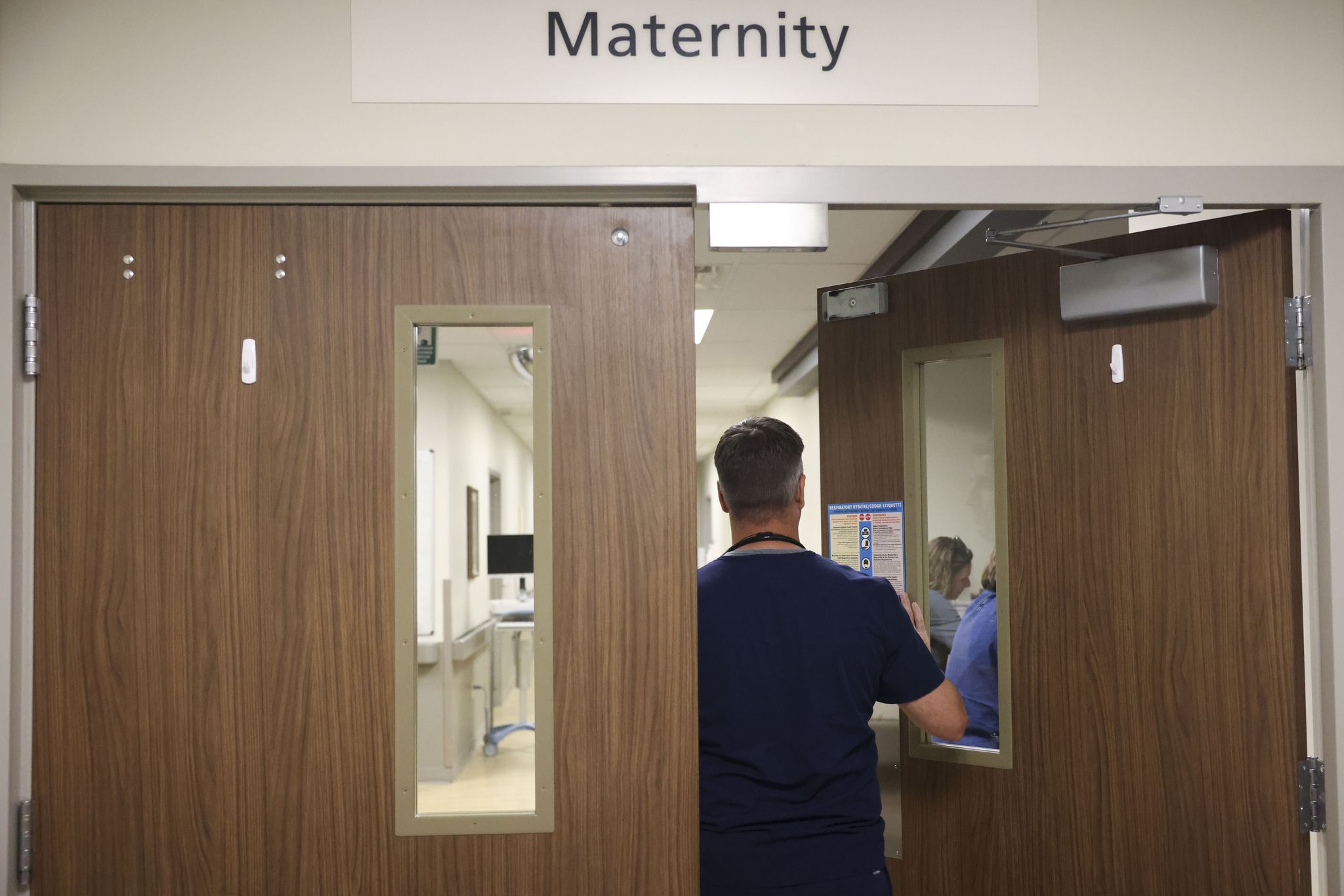
Between 2019 and 2025, the number of counties with no licensed OB-GYNs increased from 152 to 161, according to data from the state Health Professions Re
Most of these counties are in rural Texas, whose hospitals have struggled for years with declining patient revenues and sustaining their maternal care workforces.
While West Texas and the Panhandle contain a higher share of counties without licensed OB-GYNs, many of the recent additions to that list are in central or eastern Texas. Of the 17 counties that had licensed OB-GYNs in 2019 but none in 2025, eight were in Central Texas and four in East Texas.
Article continues below this ad
State and federal officials have somewhat increased investment in rural <a href="https://healthylife7.com/asia-needs-to-rethink-healthcare-as-climate-risks-intensify/” title=”Asia needs to rethink healthcare as climate risks intensify”>healthcare, but advocates said it needs more support.
“If you’re going to deliver babies, you have to be able to do surgery, you have to have anesthesia, you have to have all the equipment,” said John Henderson, president of the Texas Organization of Rural & Community Hospitals. “It’s probably a multimillion dollar conversation.”
Some of these counties still have labor and delivery units, family medicine doctors with some obstetrics training and other maternal health clinicians. But, their lack of physicians specialized in obstetrics and gynecology can still make a difference, said Dr. Anitra Beasley, a Houston-area OB-GYN and affiliated researcher with Resound Research for Reproductive Health.
“Even a general obstetrician is taking care of a more complicated patient than family medicine may be comfortable with,” Beasley said
Article continues below this ad
For patients with more complicated prenatal care needs, the decreased access can mean they forgo necessary checkups or treatment. Even the patients who spend the extra time and money to seek more comprehensive care might still be less healthy because of the distance.
“They get very sick in the process of trying to get to us from wherever they’re coming from,” said Dr. Shanna Combs, president of the Texas Association of Obstetricians and Gynecologists. She practices in Fort Worth
