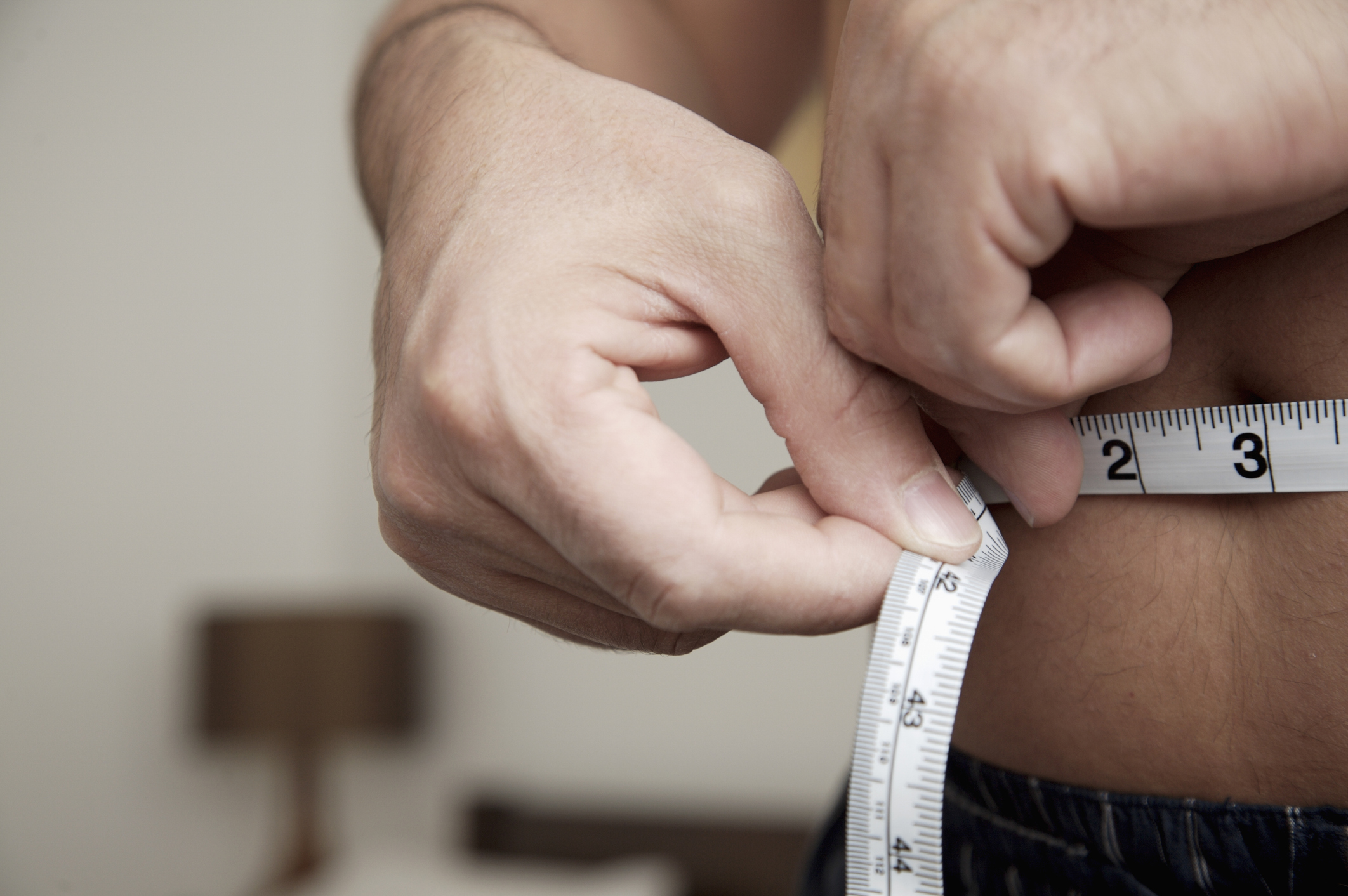
Men are less likely than women to use GLP-1 medication for weight loss, but experts say shame and the idea that treatment is ‘cheating’ could be standing in the way of better health
In the UK, statistics show that 70 per cent of men are overweight (with almost half falling into the obese category), compared with 62 per cent of women. In the USA this rises to 77 and 69 per cent respectively. However, when it comes to GLP-1 treatment “men represent less than 30 per cent of patients, though it is slowly starting to increase.”
The picture this paints is one of male reluctance to use GLP-1s. This could be for a variety of reasons, but chief among them is likely a sense of embarrassment or shame in using GLP-1s to assist weight loss
Stigma can get in the way of progress
“The most important thing when someone’s thinking about starting is about addressing stigma and biases that people may feel insecure about,” says Zoe Griffiths, Registered Dietitian and VP of Behavioural Medicine at Numan.
Through her experience in helping people through treatment, she has noticed that men are especially hard on themselves when it comes to their weight – often thinking it is “completely their fault, or that their weight loss struggles are some sort of failed willpower”, she says.
Framing obesity as a disease
Weight loss can be a complicated and difficult process, not least if you suffer with obesity. “When it comes to obesity specifically, scientifically we understand this as a disease,” Griffiths says, adding that “it has a really strong biological underpinning.”
While we can somewhat take control of weight management, it becomes significantly more difficult if we have a disease that means we have especially “strong biological drivers for appetite, metabolism, and fat storage,” Griffiths explains.
Therefore, as with many other diseases, medical assistance is completely acceptable and valid if a professional clinician says it is, and has prescribed the treatment. Having compassion about the fact that you deserve assistance on this journey can help make it easier to embrace the opportunity, and to do so with less stress or shame.
“In our findings we still see that disproportionately men continue to believe that obesity is a choice,” Griffiths says. Men are generally behind when it comes to having societal scrutiny on their bodies, so it makes sense we are behind when it comes to reframing the conversation and understanding the nuances of weight issues. “What we find is that men are more likely to consider GLP-1s as a form of ‘cheating’ your way to weight loss.” She says
Why GLP-1s are not cheating
For many, GLP-1s are actually designed to be lifelong treatments. “When people cease medication, weight gain is very common – and most tend to regain most of their weight within two years. So all the data indicates that the best possible chance of success for sustaining your health and well-being benefits is to continue on treatment.” Griffiths explains
“The reason people do regain weight is that they have increased hunger signals after weight loss. The idea that coming off medication as soon as possible as an achievement is a dangerous way to approach GLP-1s.”
As these biological drivers put people with obesity at a disadvantage, GLP-1s are completely necessary and acceptable medication. Griffiths actually likens them to blood pressure medication, where people have naturally higher blood pressure; reducing this through medicine is hardly cheating
Also, there is work to do while on GLP-1s
“Medication alone is not enough to achieve your goals. While clinical studies demonstrate that these medications are effective, they always combine the medication with supported lifestyle advice,” Griffiths says.
This means you have to work with the medication; it is not a miracle cure. Especially if you are using the treatment to lose weight healthily, maintaining lean mass, and not becoming undernourished. Maintaining a healthy, highly nutritious and protein-rich diet is vital for maintaining overall health, function, and wellbeing
Failing to do so can have a huge impact on everything from hair loss and hormonal health to energy levels. Finding the time to do resistance and strength training is necessary for making the most of GLP-1s. This will also have the biggest overall impact on body composition, helping the weight loss to look healthy. Therefore there is still plenty of work involved – and plenty to feel proud of achieving.
About
Rhys Thomas is a journalist, editor and trainee psychotherapist who writes on wellbeing, health, fitness, and nutrition