


Men cope with loneliness in a strikingly different way to women
By Mike McRae
August 27, 2026
<img src="https://<a href="https://healthylife7.com/glp-1s-may-have-a-host-of-other-health-benefits-just-ask-these-people/” title=”GLP-1s may have a host of other health benefits. Just ask these people”>healthylife7.com/wp-content/uploads/2026/08/90-7.webp” alt=”Man holding glass of alcohol”>
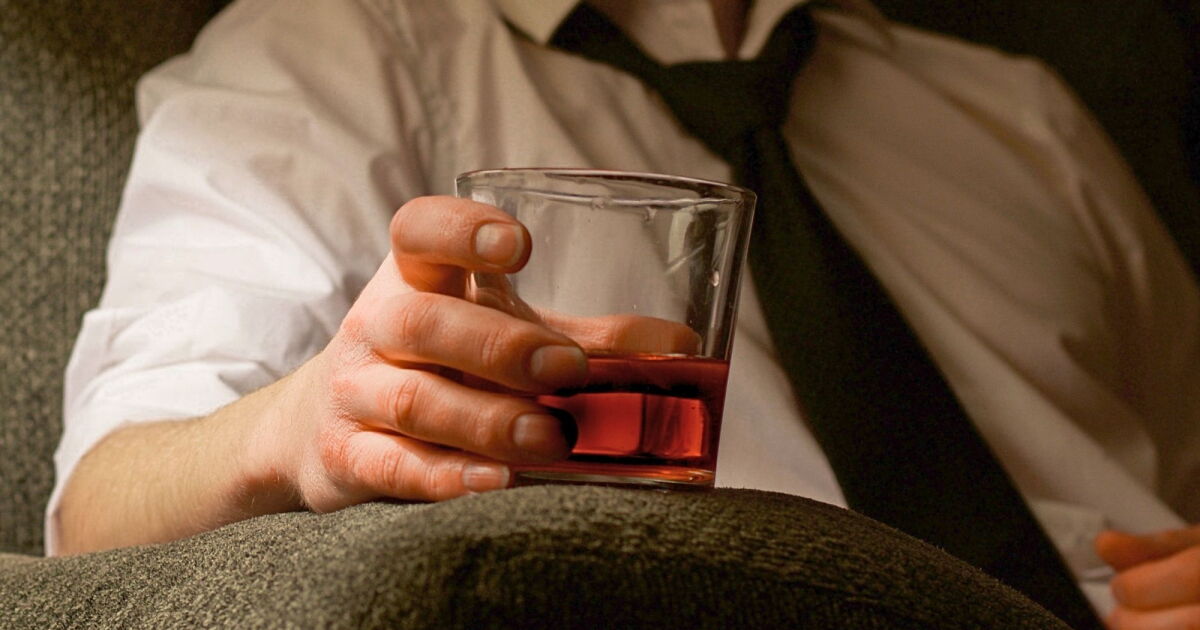
Loneliness increases men’s risk of drinking.
(Andrew Patrick Photo/Pexels/Canva)
View 0 Images
It’s Friday night. The weekend is here. Yet once again, nobody has called to ask you out. You have no plans. It’s just you, Netflix, and a bottle of gin
What you do now may depend on your sex, according to a recently published study on the brains of mice
According to research led by researchers from Northwestern University and the Salk Institute for Biological Studies in the US, social isolation may motivate men to drink, while suppressing the urge in women
“Our work shows that a defined pathway becomes overactive during isolation and directly increases drinking, and that males and females rely on different neural strategies when they’re lonely,” says Reesha Patel, a neuroscientist from Northwestern University
“This may help explain long-standing sex differences in neuropsychiatric disorders.”
Despite digital technology’s promise to keep us all better connected, we as a species have never felt more alone. Roughly one in six people around the world experience loneliness, a quality of life that severely impacts not just our mental state, but our bodies
The fact that many people turn to alcohol when isolated is a major contributor to health decline. Studies on both animals and people have consistently shown that the company we keep is strongly linked with heavy drinking, suggesting there may be something in our wiring that links a need for alcohol when we’re painfully alone
To uncover the circuitry behind this desire, Patel and her team separated a selection of mice from their community and then offered each mouse in the experiment a choice of water or a 15% alcoholic drink in a laboratory version of Happy Hour
Using a mix of electrophysiology and calcium imaging, the scientists monitored key brain regions associated with stress responses, emotional processing, and socialising
They found clear evidence of a circuit between the basolateral amygdala and medial prefrontal cortex that correlated with alcohol consumption. Triggering this pathway using light in a process called optogenetics confirmed its role in causing the mice to drink
While excitations across these two regions tracked neatly with alcohol consumption in both sexes, only the males seemed to be encouraged to drink more when alone. Separated female mice actually drank less alcohol
Why this happens isn’t clear. Sex-related differences in other parts of the brain may feed into this critical network. There were also variations among the mice in their circuit’s baseline, with lower-ranked mice having higher levels of excitability
Yet having a road map linking social context with a drive to consume alcohol is a solid starting place for exploring neurological differences in mental health
“This is the first study to identify a specific brain circuit that explains how social isolation can drive increased alcohol use in males, marking a major advance for the field,” says Patel
This research was published in Nature Neuroscience
