


Anyone who follows my columns on a regular basis is likely aware of my love of reading
These days, there are three places where most of my reading occurs: in the comfort of my living room rocker recliner, nestled in a lawn chair outside in the shade or in one of the aisles of a grocery store
Article continues below this ad
You’re probably saying, “Wait, what? Did he just say he reads in the aisles of a grocery store?”
That is correct, folks. I am not talking about going to the magazine aisle to read magazines for free; I’m referring to a different kind of reading
This comes into play in another subject I have talked about in our Monday and Thursday visits here, which is my daily fight against Type 2 diabetes
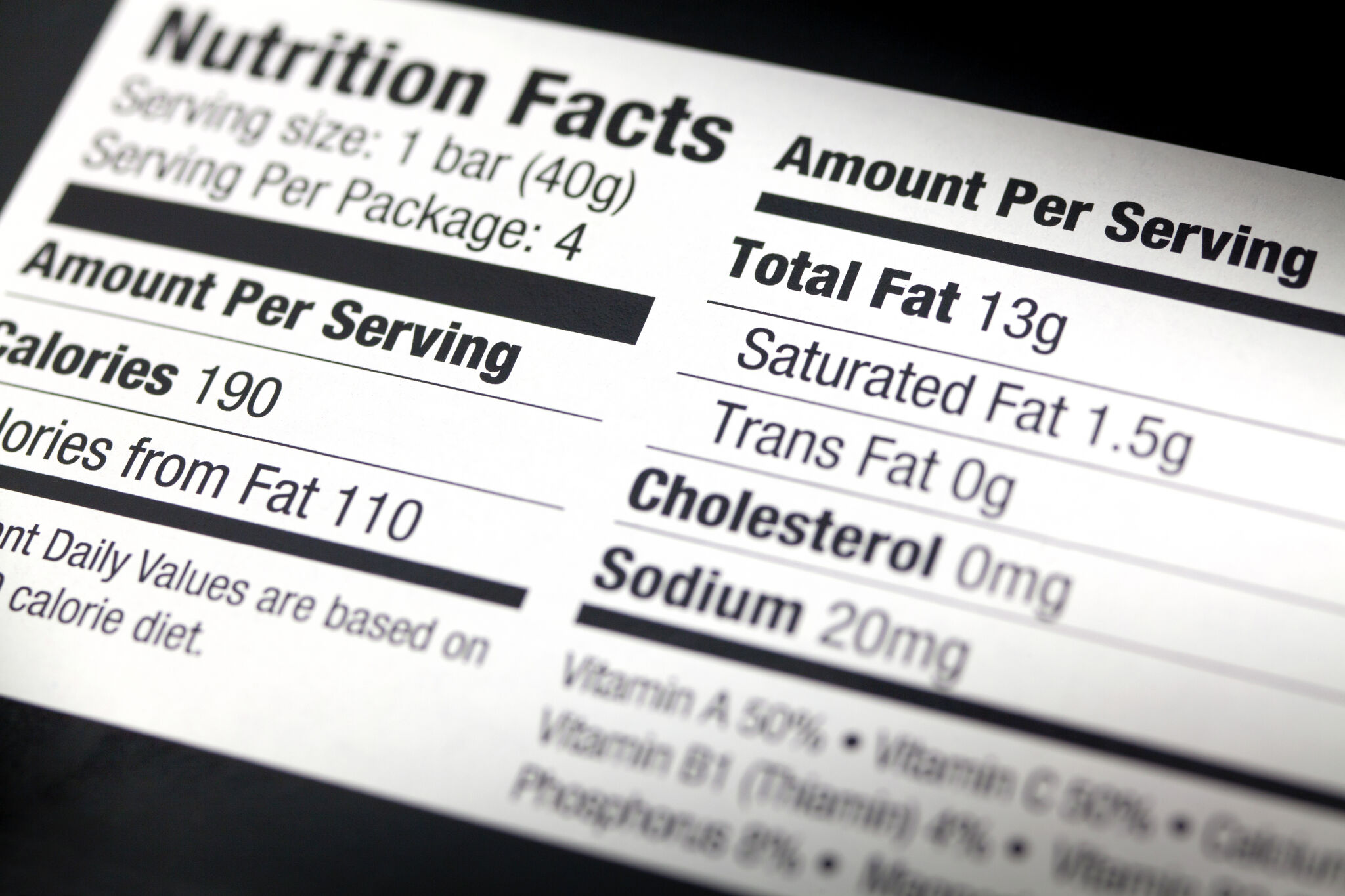
What I am reading in the aisles of food stores is the nutrition facts listed on the back of boxes, cans, bottles and containers
Article continues below this ad
Fellow diabetics and others facing different health challenges know what I am talking about. Being aware of everything we eat is vital in our battle against the disease
Related content:KEN GRABOWSKI: Casual clothing has replaced formal wear in American life
A columnist reflects on how casual, comfortable clothing replaced shirts, ties and formal wear at work, church and beyond.
KEN GRABOWSKI: Plenty of reasons to stay positive in Manistee County
Columnist: Road projects, tourism, park upgrades and school improvements give Manistee County residents new reasons to stay positive.
What that means, folks, is before something goes into me, I have to know exactly what goes into it. My scientific definition of it falls under the title of “The Grabowski Theory of Staying Off Insulin When Afflicted with Diabetes.”
My efforts must be helping, because two decades after being diagnosed, I haven’t gone beyond taking a metformin pill. In simple terms, I control it with the medication, exercise and eating the right things
Article continues below this ad
Years ago, when I was first diagnosed with diabetes, my doctor sent me to a nutritionist who taught me what to look for on those nutrition facts labels. She also taught me the importance of finding items low in total fat, saturated fat, trans fat, cholesterol and sodium because having diabetes can make me susceptible to other health problems like heart disease and high blood pressure
If I ate food containing lots of cholesterol and sodium, the diabetes might not kill me, but the blocked arteries probably would. So that’s why you have to pay attention to all of them and why it’s usually better to consume fewer processed foods
Of course, these days with what is happening far too often with natural things like lettuce, jalapeno peppers and spinach, we all ask ourselves periodically, “What is safe to eat anymore?”
Nutrition facts may not be the most fascinating reading material, but they probably are something that will allow you to live longer if you follow them
Article continues below this ad
For us diabetics, the nutrition facts listed below those ones I just spoke about are even more important. They include things like total carbohydrates, total sugars, added sugars and dietary fiber
Most people don’t realize that carbohydrates can significantly affect blood sugar levels if they eat too many. They may look at something with 3 grams of sugar and think that’s not bad, but overlook the 75 grams of carbohydrates
When they test their blood sugar level and their meter starts spinning in circles, they wonder what the heck happened. Gee, do you think it could be that supersize order of french fries, pasta or potatoes that contain tons of carbs that you wolfed down at dinner?
I do have to admit, the food industry does try its best to entice us into purchasing their products. Their products often come in eye-catching packaging, including a picture of the food that seems to be calling out, “I look so tasty, please buy me.”
Article continues below this ad
However, when you go to the back of the package where the nutrition facts are located, you get a different story. After reading what’s in a product, there are many times I have actually said, “This looks so good sitting on this shelf, I am just going to leave it there for the next person to enjoy looking at it.”
Another one of their favorite tricks is to place the nutrition facts in tiny print on the bottom of the product so you need a magnifying glass to read it
My guess is they think “What’s out of sight is out of mind.” If you can’t read it until you pull out the magnifying glass at home, then they have made another sale
But there are other little tricks that usually leave a smile on my face. One of the biggest is two words: serving size. That’s because sometimes the nutrition facts shown correspond to the listed serving size, not the entire container
Article continues below this ad
In other words, to achieve those numbers listed, you may only be able to consume 15 pretzels from the bag or one-fourth of what’s in the can or need to add only one-eighth of a teaspoon of a spice to what you are cooking to attain those numbers
My personal favorite, which makes my eyes roll in circles, is the one on the can of cooking spray I use, which says a serving size is a spray of one-fourth of a second. Of course it says doing that gives me 741 servings. Hmm … should I be counting them for accuracy?
Really? They should be required to include how in the heck you accurately measure one-fourth of a second of spray
Article continues below this ad
So the next time you pass me or someone else with health issues in a grocery store aisle staring intently at the back of an item, you now know what we are reading. Hopefully doing it will allow us to be around long after I see you again on Monday
Ken Grabowski is a retired journalist who spent more than 36 years in the newspaper business
