


What Happens When Nutrition Research Goes Beyond the Classroom?
The Friedman School at NUTRITION 2026: Research, Connections, and Community
Key Takeaways
- Students, alumni, and faculty shared research at NUTRITION 2026, the largest annual gathering of nutrition scientists and professionals.
- Presenting research led to valuable collaboration opportunities, new ideas, and connections with colleagues across career stages.
- Attendees explored emerging topics including AI in nutrition, GLP-1 therapies, Food is Medicine, and public health innovation.
- Students returned with new perspectives on research, funding, career development, and the future of the field.
Student Experiences at the Friedman School Shape Your Future
Going to a conference is always a big deal for a graduate student. This is the moment when you get to meet, in person, researchers who published the articles you use in your own work and whose names have become familiar to you. It is also an opportunity to participate in discussions that only happen when conferences bring people in the field together
Being a student whose project is presented at a conference is even more rewarding. And that is exactly what happened to several Friedman School students and alumni this summer. Each year, American Society of Nutrition (ASN) creates a space for researchers in the nutrition field to foster discussion by presenting their work at the NUTRITION Conference. This annual meeting is a four-day event that brings together thousands of researchers and nutrition professionals. Held July 25–28 in National Harbor, Maryland, just outside Washington, D.C., NUTRITION 2026 featured more than 1,650 scientific studies and brought together researchers, clinicians, educators, public health professionals, policymakers, advocacy leaders, and industry professionals.
Among this year’s most prominent themes were the rapidly evolving roles of GLP-1 therapies, ultraprocessed foods, and artificial intelligence in nutrition research. Other themes were related to Food is Medicine, dietary assessment, child nutrition, and using social media and evidence-based information to communicate to general and multiethnic audiences
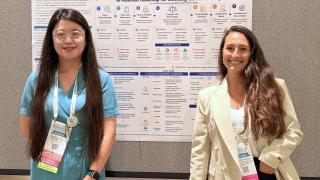
This year, Friedman School students, alumni, and early-career researchers presented work in posters, oral presentations, and as speakers across the Conference days. In one of our recent posts, you can see the full list of Friedman School presentations and recognitions at NUTRITION 2026.
Explaining my research to other researchers and discussing the results with them helped me better understand my own work, and talking with researchers at different career stages also helped me think more broadly about future research directions and potential collaborations
Research That Becomes Conversation and Connection
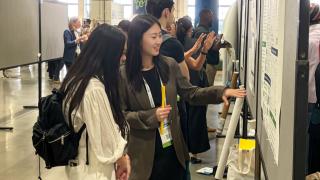
Presenting research can be a form of learning in itself. It not only creates opportunities to apply and discuss content learned in the classroom, but also allows students to gain a deeper understanding of their own work. Connections are at the heart of every academic conference. As Friedman School students and alums, we have the opportunity to engage in conversations with peers, faculty, and professionals across the industry
Ready to Make an Impact?
Learn More About the Friedman School’s M.S. in Nutrition
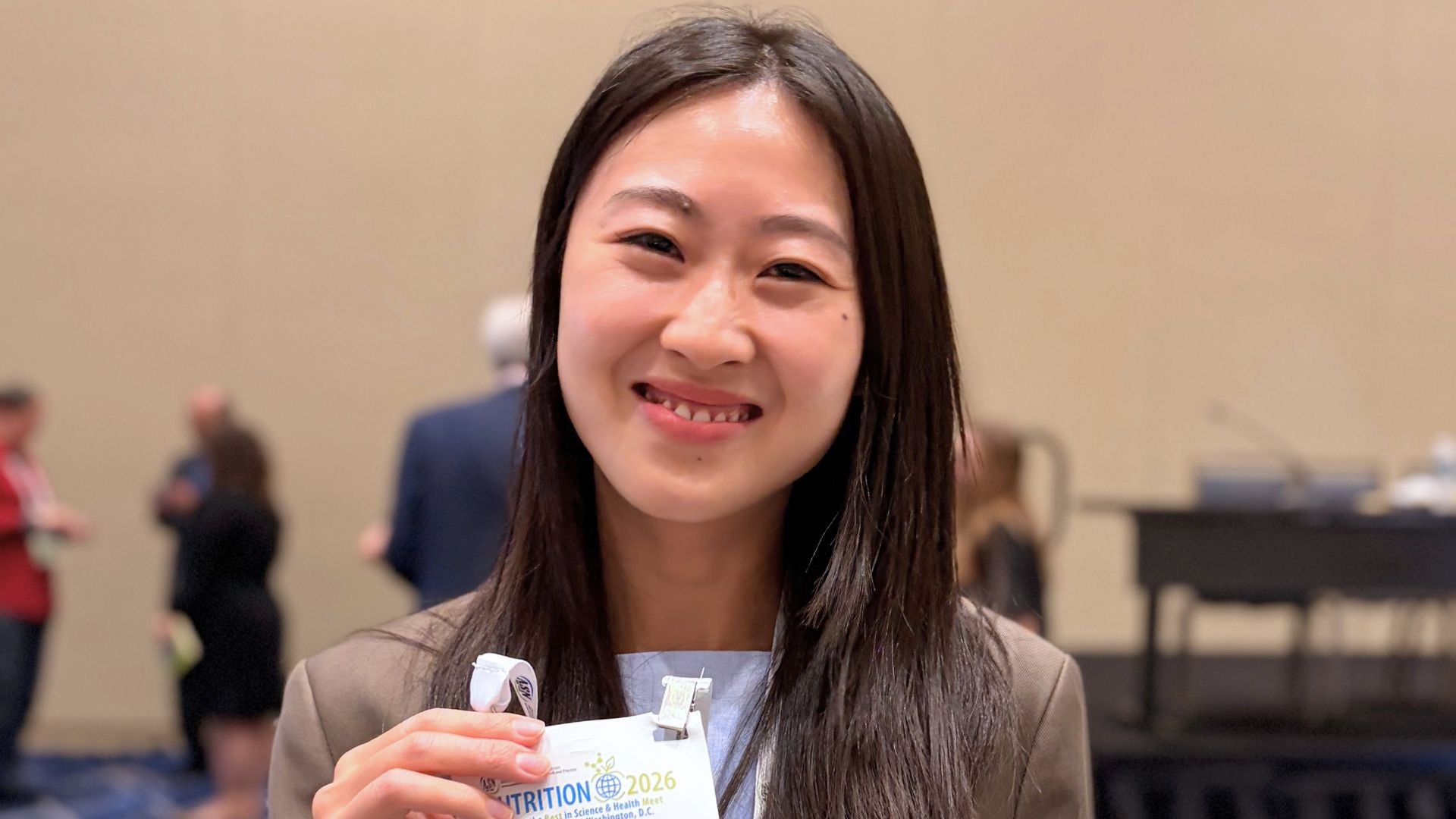
These conversations don’t necessarily end when the poster session does. Speaking with alumna Yutong Chen, MPH, PhD, about her experience, she reinforced this sentiment: “I also really enjoyed talking with students, postdoctoral fellows, faculty, and other professionals to hear their perspectives and exchange ideas.” Whether you are an early career researcher or a current student, these moments are invaluable.
You never know when an opportunity to collaborate may come up and how your paths might cross in the future
Connection continued beyond scientific sessions. The Friedman School community reunited for a Reception as part of the Conference’s program.
Organized by the Alumni Committee, the reception brought together students, alumni, faculty, and local colleagues for an evening of conversation and community.
Lessons and Experiences That Last Beyond the Classroom
“One of my biggest takeaways was being able to see the current research trends and what researchers with similar interests are focusing on.” PhD candidate Soyoung Lee’s experience reflects how attending these Conferences can help students and professionals stay current with emerging trends in nutrition. Yutong Chen, a recent graduate of the Nutrition Epidemiology and Data Science program, highlights how rapidly nutrition is evolving and that the topic of AI usage in nutrition science was one of the most discussed themes.
With the growing use of AI, large-scale data, and interdisciplinary collaborations, it was inspiring to see so many innovative approaches being applied to important public health questions
The Nutrition 2026 conference was not only about presenting your work, it also brought new perspectives about building a career in nutrition science and policy. To Cristina Franco, PhD and postdoctoral student, it was also a learning experience. “I had a great discussion at the joint CPHN-MPP forum regarding funding and the importance of applying to a variety of funding opportunities, including small ones, especially as your career builds up, and to not get discouraged when something doesn’t work out.” She added that hearing about others’ funding experiences helped her by discussing lessons learned in the dynamic field of research, including a lot of trial and error.
The posters eventually come down, and the conference badges come off. But the conversations, questions, and new ideas travel home with the students. For Friedman students, taking learning beyond the classroom means bringing those experiences back to their research, their communities, and the challenges they hope to help solve next.
