


The number of medical marijuana patients in Georgia has jumped by more than 8,000 since a new law took effect in July, adding more health conditions that qualify for a medical cannabis card and removing the low-potency caps on the drug
At the same time that interest in Georgia’s medical marijuana program is reaching new heights, more Americans are exhibiting signs of unhealthy cannabis use, some studies say
The state’s new law eliminated limits on the amount of THC, the compound responsible for the drug’s high effect, in Georgia’s medical marijuana products. Lawmakers also added new qualifying conditions for the program, such as irritable bowel syndrome, HIV and lupus
Advertisement
Since the introduction of Georgia’s revamped program, the number of patients has increased from 36,595 patients in late June to 44,854 in August
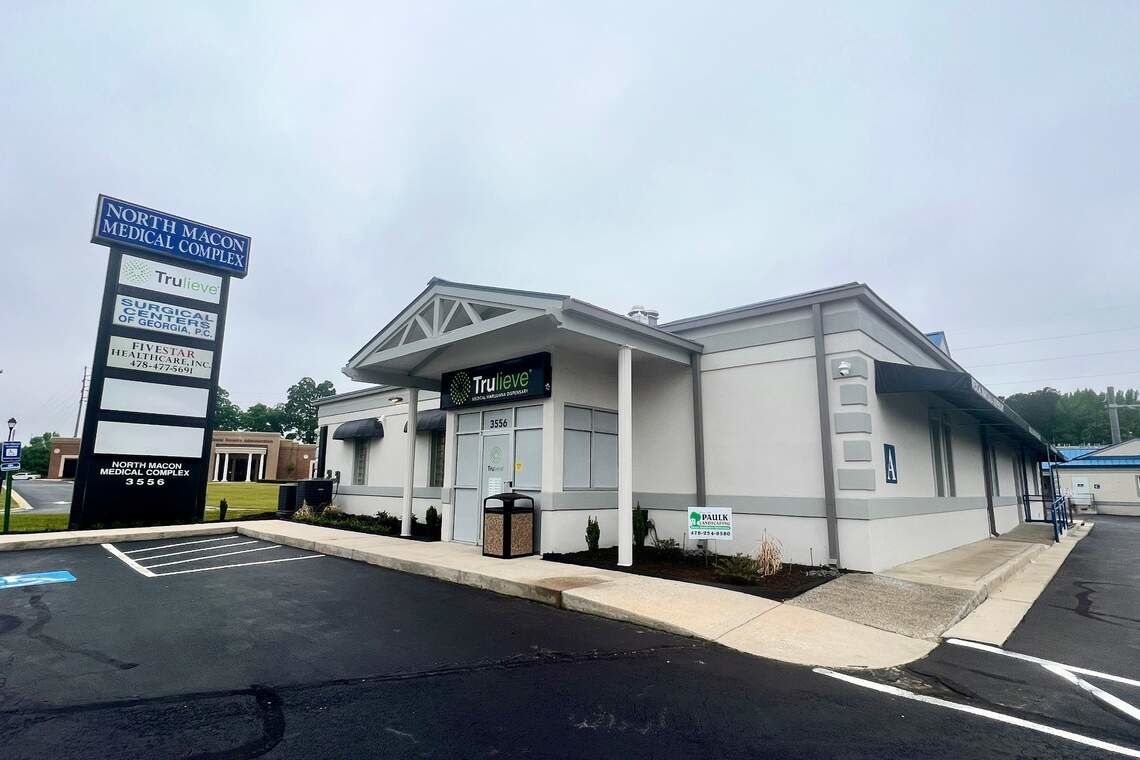
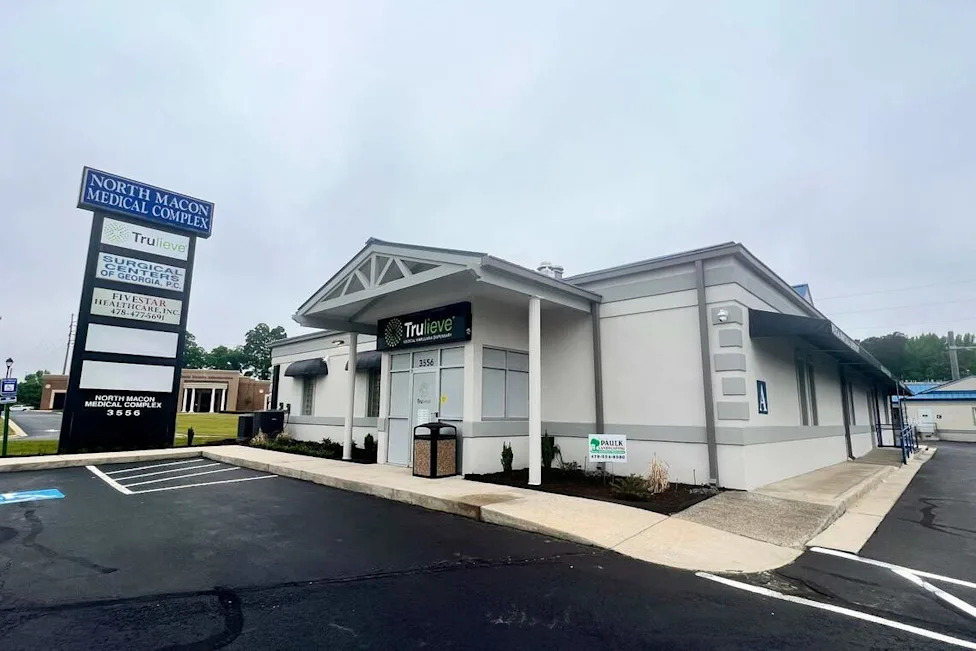
Trulieve, one of the state’s approved cannabis dispensaries and the owner of Macon’s only medical marijuana storefront, has seen its sales and patient numbers triple since the new law kicked in
Jeremy Davis, Trulieve’s state director in Georgia, said adding those new conditions and dropping the final stage clauses — the requirements that patients be at the end of their care — has contributed to the surge in signups
With the new demand, Davis said the dispensary has rolled out new vaporizable oils, flower and Rick Simpson Oil syringes, a whole plant extract
Advertisement
The National Survey on Drug Use and Health noted that among teenagers and adults, those with a marijuana use disorder increased from 16.7 million to 19.3 million between 2021 and 2025. The number of total marijuana users in that group increased from 53.2 million to 61.2 million over the same time
A study published Aug. 19 also found cannabis use disorder increased between 2021 and 2024, especially among males 35 and older
People who demonstrate two or more negative behaviors resulting from marijuana, such as isolating socially or spending more time using it, are considered to have a use disorder, said Michael Mumper, executive director of Georgians for Responsible Marijuana Policy
He said expanding the list of acceptable conditions opens the door for misuse
Advertisement
Marijuana is not like other drugs. It isn’t approved by the Food and Drug Administration, and doctors and pharmacists aren’t typically trained on the substance
“If we’re going to call marijuana a medicine, we should treat it like a medicine,” Mumper said
Roadside crashes, reduced workplace productivity, mental health issues and cases of cannabis-induced psychosis could track “dangerously upward” as access expands, Mumper said
While medical marijuana has shown it can help groups like cancer patients, veterans with PTSD or kids suffering from seizures, Mumper said it’s possible some of the harms from high potency cannabis could outweigh the benefits
Advertisement
“These problems that were only seen a little bit five years ago are being seen a lot more because of the ramped up usage,” Mumper said
Some veterans have said they found medical marijuana to be a better option than pharmaceuticals. Trulieve’s patients have been able to find faster, effective relief with vaporizable products, Davis said
A 2025 study from the University of Georgia found that states with legalized cannabis reduced the number of patients receiving opioids by 16%
Davis noted Trulieve has brought in medical professionals so patients can learn more about proper usage and what products are available
Advertisement
“I think patients are finally getting the relief that they were after,” Davis said
The state’s medical cannabis commission will be accepting public comment on revisions to its regulations in September
