


IFF: GLP-1 users in India eat less but demand more from every bite
Key takeaways
- IFF finds GLP-1 users in India are eating smaller portions while placing greater value on nutrition, taste, texture, and ingredient quality.
- Users are also reading labels more closely, prioritizing hydration, and adjusting to challenges around social eating and family food routines.
- GLP-1 uptake in India remains low, but rapid market growth could create significant opportunities for food and beverage innovation.
IFF research in India suggests GLP-1 drug use is reshaping not only how much the medication users eat, but also how they think about taste, nutrition, labels, hydration, and social occasions.
The company’s “Inside the India GLP-1 Consumer Journey” report draws on research from GLP-1 users in Delhi, Mumbai, and Bengaluru, India. IFF says the findings suggest smaller portions are being matched by higher expectations for ingredient quality, nutrition, taste, and overall eating satisfaction. The company unveiled the report at its Eat Smart Asia: The GLP-1 Shift symposium in New Delhi
“We are seeing that a change in appetite can lead to a broader change in the relationship people have with food,” says Harsch Koshti, regional marketing director, IFF Taste for Greater Asia
Despite growing interest in GLP-1 therapies in India, uptake remains low. Novo Nordisk India estimates that around 250,000 of the country’s roughly 250 million people living with obesity — about 0.1% of that group — currently take GLP-1 medicines
India’s GLP-1 market is nevertheless expanding rapidly, driven by new launches and lower-cost semaglutide products. GLP-1 medicines can reduce appetite by mimicking the effects of a gut hormone that helps regulate hunger and feelings of fullness
Smaller plates, higher expectations
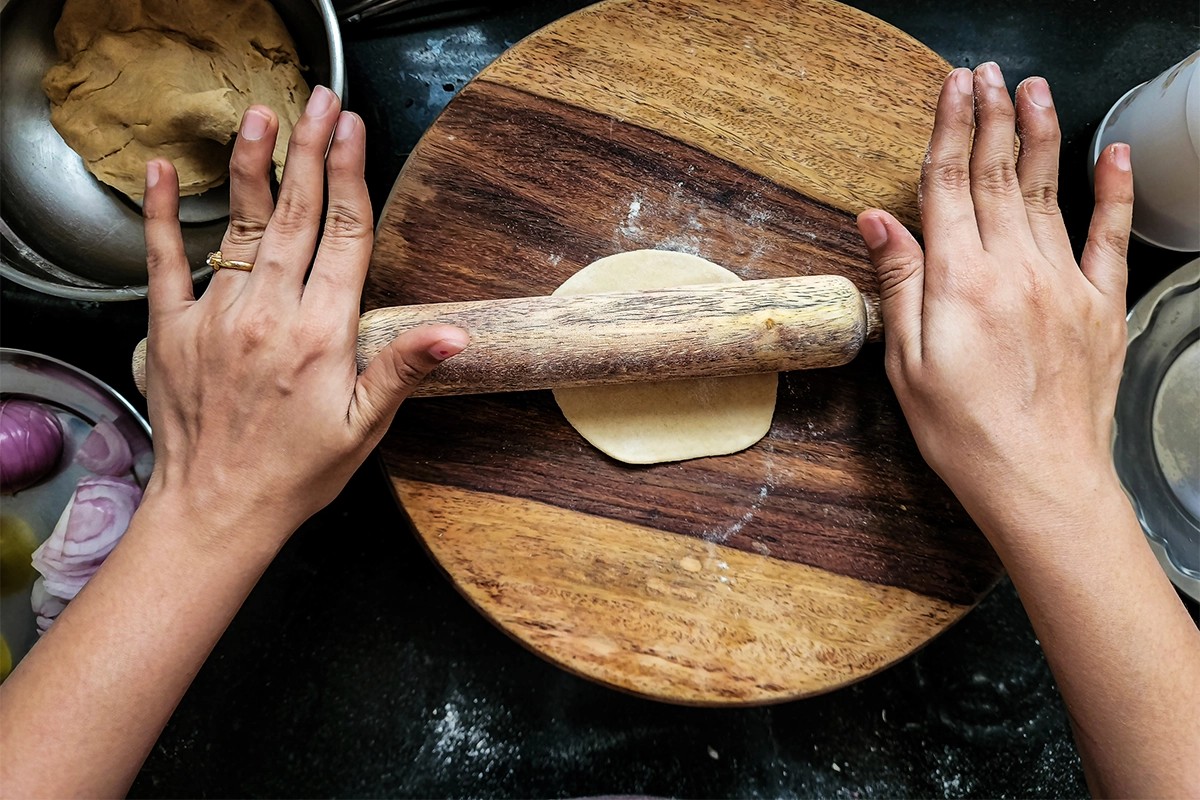
Among the GLP-1 users surveyed, the portion changes are striking. IFF says these consumers are moving from three or four chapatis to one or two, from five or six idlis to two, and from 2.5 bowls of rice to half a bowl
However, eating less does not appear to make food less important. Instead, every bite has to deliver more. IFF found that 90% of respondents experienced changes in how food tastes or feels, 50% preferred soft, easy-to-digest textures, and 69% wanted to balance flavor impact
“For the food industry, this is a critical opportunity to listen closely to these emerging behaviors,” Koshti says.GLP-1 users surveyed by IFF are eating less but demanding more from taste, texture, and nutrition
The results reinforce a theme Food Ingredients First has been tracking across the GLP-1 market. Manufacturers are moving beyond simple calorie reduction toward products that concentrate protein, fiber, and other nutrients into smaller formats, while still delivering on taste and texture. Our recent coverage of reformulation around protein, fiber, and satiety also highlighted the technical pressure this can put on mouthfeel, sweetness, stability, and cost
A more deliberate shopper — but a familiar family basket
IFF also found that 74% of respondents now read food labels more carefully than before starting GLP-1 medication. Their scrutiny extends beyond calories to protein, ingredients, and natural or preservative-free claims
Yet the individual diet is changing faster than household purchasing. According to the report, 78% continue buying cookies for their households, 71% continue buying packaged sweets and full-fat dairy products, and 63% continue buying fried snacks
That split matters in India, where the IFF research indicates personal changes are unfolding within household and family routines. It suggests the opportunity may be broader — and more complicated — than simply creating products explicitly positioned as “GLP-1-friendly.”
This echoes our recent reporting on Nestlé’s GLP-1 strategy, which framed the opportunity around nutrient density and convenient formats rather than relying solely on a GLP-1 badge. Across the sector, the conversation is increasingly shifting from “eat less” to “get more from what you eat.”
Social eating is another pressure point. IFF says 64% of respondents experience discomfort during social eating occasions at least occasionally. At the same time, consumers still want to participate in familiar meals and rituals, opening space for portion-flexible products and experiences that allow GLP-1 users to remain part of shared occasions, while adapting how much they eat.Seventy-four percent of surveyed GLP-1 users in India say they now read food labels more carefully
Hydration moves up the agenda
The research also points to beverages as an important innovation area. Some 74% of respondents view hydration as a daily wellness goal, while 69% are choosing coconut water as part of their hydration habits. IFF says this creates room for products combining functionality, hydration, and sensory appeal, including electrolyte-based beverages
That finding dovetails with our recent coverage of GLP-1 formulation opportunities in drinks and supplements, where rehydration products, fortified beverages, and lower-sugar formats were highlighted as emerging priorities
Together, IFF’s India findings add regional detail to a global shift already reshaping product development. The commercial question is no longer only how much GLP-1 users will eat. It is what they expect from fewer bites and sips — nutritionally, sensorially, and socially
IFF notes that the findings are intended for informational purposes and do not constitute medical, nutritional, or health care advice
All content and features on this website are copyrighted with all rights reserved. The full details can be found in our privacy statement

Save in your AIChatGPTGoogle AIClaudePerplexityGrok

The new math of functional eating in the GLP-1 era: addressing texture, nutrients, and health
Register now
The No-Compromise Formula: Ensuring Superior Taste in Nutrition-Focused Formulations
Biospringer by Lesaffre
Register now
All about Cococa Butter Equivalents
AAK
Register now

SEP
1
2026
Foodist Istanbul International Food and Beverage Products Fair
Tüyap Fair and Congress Center – Istanbul
SEP
16
2026
Fi Asia Indonesia 2026
JIExpo, Jakarta, Indonesia
OCT
12
2026
Transform Food & Agriculture Europe 2026
Amsterdam
By continuing to browse our site you agree to ourPrivacy Statement

