


Chinese nutrition guidance to combat inflammation
‘All food substances have potentially therapeutic properties,’ says Dr. Lawrence Taw of UCLA Health’s East-West Medicine
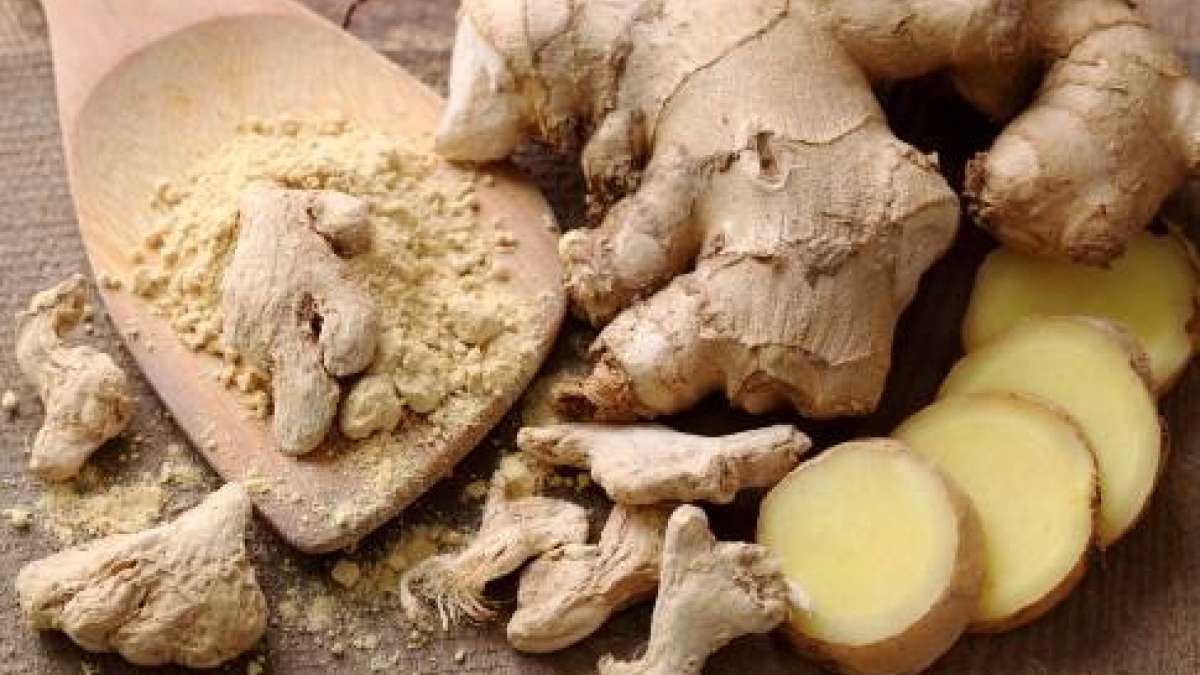
Ginger is a warming spice.
August 31, 2026
By Sandy Cohen, Senior Writer
4 min read
Inflammation plays a role in most chronic diseases, including heart disease, cancer, type 2 diabetes, chronic kidney disease, obesity and autoimmune and neurodegenerative disorders
Eight of the top 10 causes of mortality for adults in the United States involve an inflammatory process, says Lawrence Taw, MD, director of the UCLA Center for East-West Medicine in Torrance
But a powerful way to combat inflammation is in our hands at least three times a day: the food we eat
“The vast majority of chronic diseases are among the most preventable,” Dr. Taw says. “Lifestyle change really is the best medicine, and part of that change is to think about what we eat and what we don’t eat.”
Studiesshow that dietary changes can help reduce chronic inflammation and the risks of disease associated with it
An analog of inflammation in Chinese medicine is the concept of heat, says Dr. Taw, who is certified in internal medicine and traditional Chinese herbology. And the two main things that contribute to “heat accumulation” in the body in our society are stress and diet, he says
He discussed basic principles of Chinese nutrition during a recent Fitwell Talkpresented by UCLA Recreation
Heat patterns and warming foods
Chinese medicine often looks at chronic inflammation as a “heat pattern,” Dr. Taw says, adding that our bodies are like a car engine: when we’re overworked or overstressed, we can overheat
As in nature, heat tends to rise and to expand in the body, so a body with too much heat may develop such rising symptoms as heartburn, reflux, neck or shoulder pain, rosacea, insomnia, headaches or high blood pressure, or expansive symptoms such as joint pain or skin breakouts, Dr. Taw says.
Chinese nutrition principles, which are an extension of herbal medicine, hold that what we eat affects the amount of heat in the body
“All food substances have potentially therapeutic properties,” he says
According to Chinese nutrition, foods can be warming or cooling. These terms refer not to the food’s temperature, but to its energy, Dr. Taw explains. Energetically cooling foods tend to be in season during summertime and warming foods in winter. Another way to distinguish the energy of the food is to see how it affects one’s heat symptoms, he adds
A person with a heat pattern should minimize “energetically warm or hot foods,” he says, such as alcohol, caffeine, red meat, chocolate and nuts. Oily and deep-fried foods are warming, as are certain spices such as ginger, cinnamon, cloves, rosemary and turmeric
“Damp” foods — such as milk, cream, yogurt, cottage cheese and sweets — can also exacerbate a heat pattern, Dr. Taw says: “When you introduce a damp food into a warm environment like our body, when there’s a heat pattern, you are prone to developing inflammation.”
Cooling down internal heat
To cool a heat pattern, choose cooling foods such as melons and berries, cucumber, spinach, lettuce, zucchini and legumes
“These are also in season in the summertime,” Dr. Taw adds. “They are intrinsically the most cooling and most abundant.”
Dr. Taw says he often recommends to his patients cooling teas such as mint, chamomile, chrysanthemum and passionflower
Mint tea is “great for stress, great for anxiety and can help clear and prevent rashes … and it’s easy to get as a tea bag,” he says
He also recommends eating seeds, such as pumpkin, sunflower, chia, flax or sesame, which “help moisten the intestines to promote bowel movements.” Regular bowel movements are another way the body clears heat, Dr. Taw says
Drinking plenty of fluids, exercising to break a sweat and getting sufficient sleep also calm heat and inflammation, he says
Stress management is critical, he adds, as chronic stress is pro-inflammatory
In general, Chinese nutrition recommendations vary by the season and an individual’s constitution and health condition
Chinese medicine is all about recognizing patterns, Dr. Taw says. A Traditional Chinese Medicine practitioner can help you identify — and change — yours
“You change the pattern, you change the result,” he says. “A Chinese proverb says, ‘If we don’t change our direction, we’re likely to end up where we’re headed.’ And these words of wisdom can be applied to inflammation and chronic disease.”
Learn more
UCLA Health offers integrative medicine that combines modern Western approaches with Traditional Chinese Medicine practices
East-West Medicine
Related Content
Articles:
- Healthy Lifestyle
- Inflammation
- Nutrition
Services:
- East-West Medicine
Physician
Share:
Related Articles

August 26, 2026

August 24, 2026

August 24, 2026
View all Healthy Lifestyle articles
