


West Nile virus detected in Tehama County sentinel chickens
Mon, August 31, 2026 at 3:11 PM
 4VIEW ALL PHOTOS
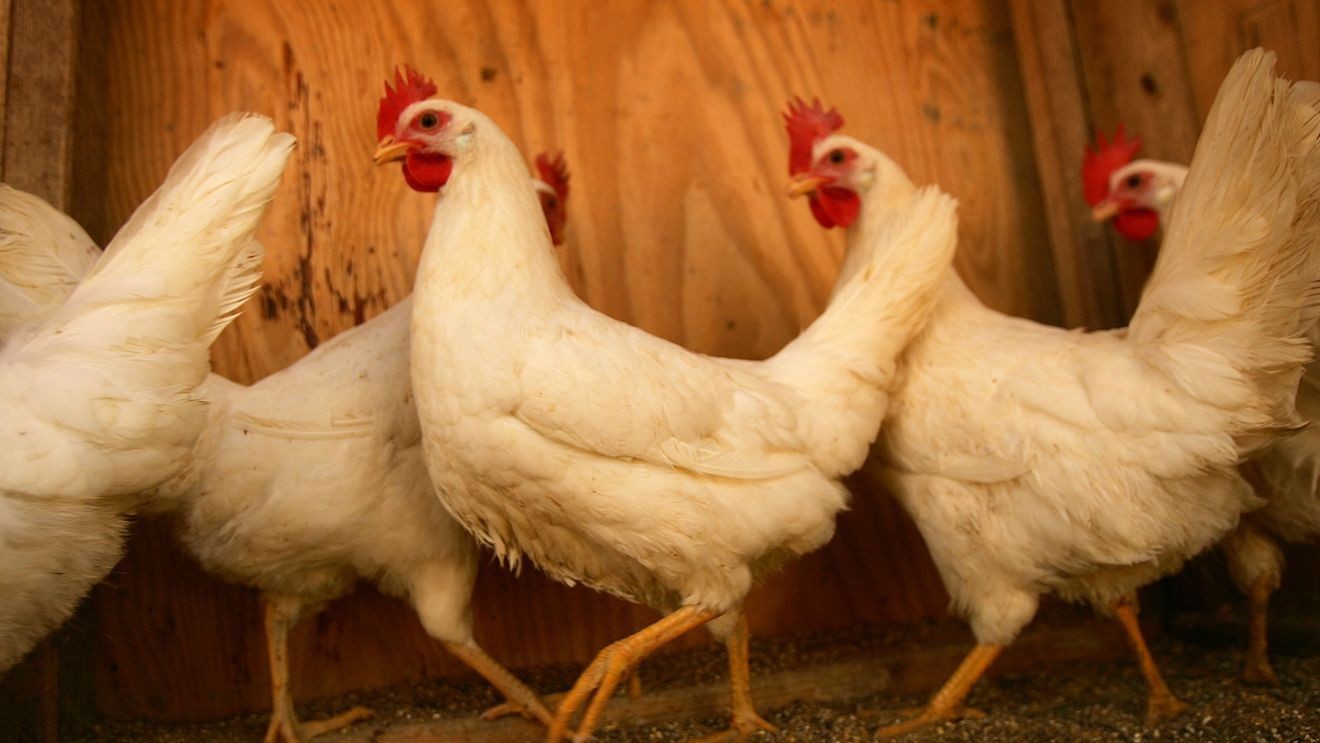
HEMET, CA – APRIL 26: “Sentinel” chickens are kept in areas of concern by the Riverside County Department of Environmental Health to detect the presence of West Nile Virus on April 26, 2007 in Hemet, California. If a mosquito carrying the virus infects a chicken, the viral load will show up in a blood test even though it will not rise to levels that will cause symptoms in the bird. California health officials announced this week that West Nile Virus season is starting earlier than usual because of an unusually warm March. Mosquitoes that carry the virus have begun breeding earlier than usual and the West Nile Virus has been detected in mosquito pools, birds, or horses in eight California counties. Although the virus has not been detected in humans so far this year, 24 people have died and 1,200 sickened by the virus over the past two years in California. West Nile can be transmitted from infected birds, squirrels, and other animals to humans and animals such as horses through several varieties of female mosquitoes. The disease first appeared in the United States in 1999 in New York and killed hundreds of people during its westward expansion before gaining a firm foothold in California in 2004. In reaction to the early start of West Nile Virus season, the California State Legislature this week declared April 23-29 “West Nile Virus and Mosquito and Vector Control Awareness Week”. The effected counties include Imperial, Los Angeles, Orange, Riverside, Santa Clara, San Diego, Sonoma and Stanislaus. (Photo by David McNew/Getty Images)
TEHAMA COUNTY, Calif. —Sentinel chickens in Tehama County have tested positive for West Nile Virus (WNV), marking another detection of the virus in chickens being used to track mosquito activity across the Northstate
Tehama County Health Services Agency Public Health announced the positive tests in conjunction with the Tehama County Mosquito and Vector Control District
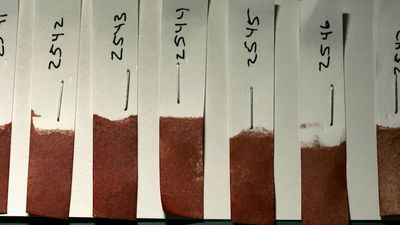
Sentinel chickens are used by mosquito control agencies as an early warning system. The birds are kept in certain areas and regularly have their blood tested for antibodies that show whether they have been bitten by mosquitoes carrying WNV
READ MORE | West Nile Virus activity at five-year high: What Californians need to know
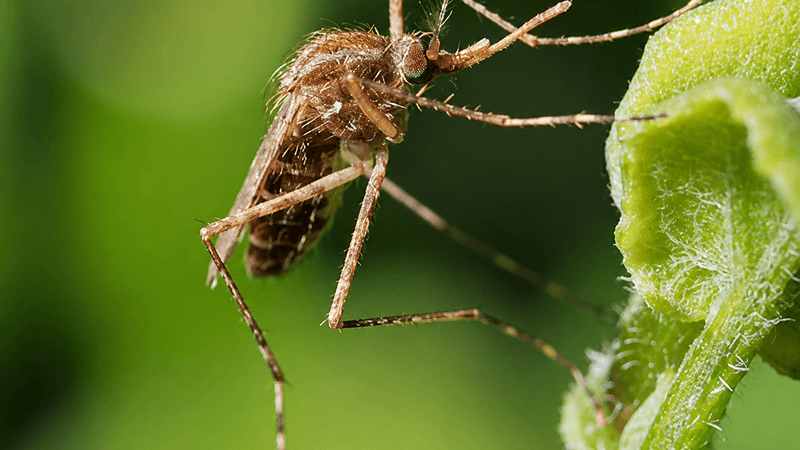
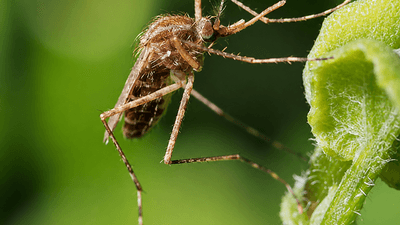
Close-up of a Culex mosquito perched on a green leaf. (FILE: SBG)
The Shasta Mosquito and Vector Control District said ittests blood from its sentinel chicken flocksevery two weeks to determine whether mosquitoes carrying the virus are spreading it among birds. The chickens do not become sick from the virus and cannot spread it to people or mosquitoes
WNV normally moves between mosquitoes and birds. Mosquitoes become infected after feeding on birds carrying the virus and can then spread it to people, horses and other animals through their bites. Tehama County has not reported confirmed human cases or deaths from WNV so far this year, according to county health officials
The detections come as neighboring counties have reported human deaths from the virus. Tehama County health officials said two WNV-related deaths have been reported in Butte Countyand one in Glenn County
Health officials said most people infected with WNV do not develop symptoms. About 1 in 5 develop symptoms such as fever, headache, body aches, vomiting or rash. Older adults and people with certain chronic medical conditions face a greater risk of serious illness
How to Fight Back
Tehama County Health Services Agency and Tehama County Mosquito and Vector Control District are urging all Tehama County residents to protect themselves and their families from mosquito bites. Dr. Peters states that, “all residents, especially the elderly and those with serious medical conditions, need to take precautions to protect themselves from mosquito bites. Protection is especially important at dawn and dusk when mosquitoes are most active.” The easiest and best way to prevent mosquito bites is by remembering the five D’s:
- DEET – When you are outdoors, use insect repellents containing DEET (N, N-diethyl-meta-toluamide, also called diethyltoluamide). Always follow label instructions. https://www.epa.gov/insect-repellents
- DAWNand DUSK– Stay inside at dawn and dusk when mosquitoes are most active. If you must go outside, use insect repellent and wear long sleeves and pants. Light-colored clothing can help you see mosquitoes that land on you.
- DOORS– Make sure that doors and windows have tight-fitting screens. Repair and replace screens that have tears or holes to help keep mosquitoes out.
- DRAINstanding water from flowerpots, buckets, and barrels to eliminate mosquito breeding grounds. Change the water in pet dishes daily and replace the water in birdbaths weekly. Drill holes in tire swings so water can drain out. Keep children’s wading pools empty and standing on their sides when they are not being used.
—
Report a correction or typo
