


In the UK, two in three adults live with excess weight or obesity. Obesity increases the risk of major <a href="https://healthylife7.com/formaldehyde-uses-health-risks/” title=”Formaldehyde: Uses & Health Risks”>health conditions, including cardiovascular disease, type 2 diabetes, and some cancers. It can reduce quality of life and carries significant costs for individuals, the NHS and the economy.
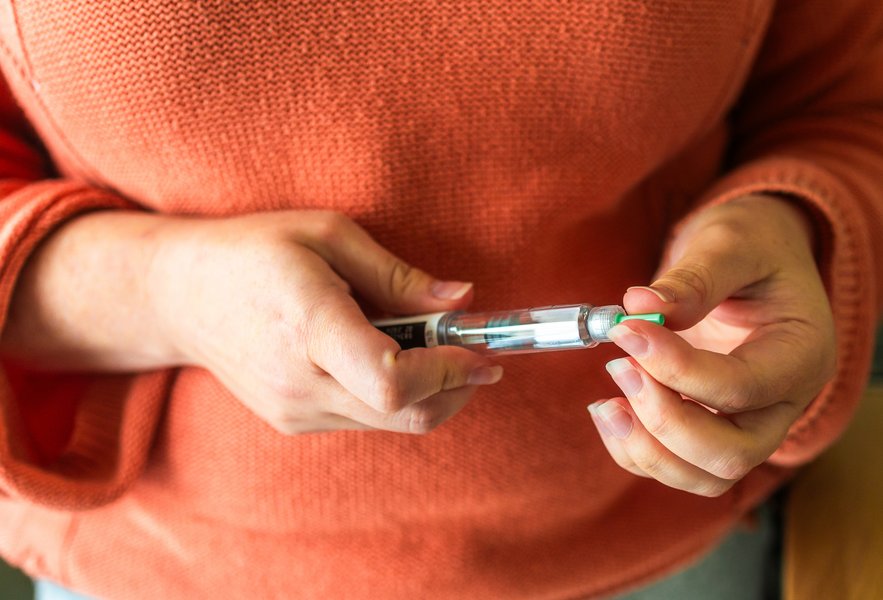
Action on obesity is needed to improve the health of the nation. The doubling in obesity rates over the last 30 years is driven by changes in our food environment, by which we mean the food around us and how it is promoted, advertised and displayed, how much it costs and how convenient it is to buy. Evidence shows that transforming the food environment is the most effective, scalable way to prevent and reduce obesity across the population. However, for individuals living with obesity who face the greatest risk to their health, effective treatment also has an important role to play. This can include structured <a href="https://blueprint.nesta.org.uk/intervention/increase-referrals-to-behavioural-weight-management-programmes/” rel=”nofollow noopener” target=”_blank”>behavioural weight-management programmes, total diet replacement programmes, bariatric surgery and weight-loss medications. Of these treatments, glucagon-like peptide-1(GLP-1) based weight-loss medications have garnered significant interest and seen a huge growth in uptake in just a few years.
